

Toy Story 5 opens with $312M worldwide, smashing Toy Story 4’s 2019 franchise launch record
Disney and Pixar’s sequel posts $160M domestic and $312M global, signaling serious momentum for 2026’s summer movie pipeline.
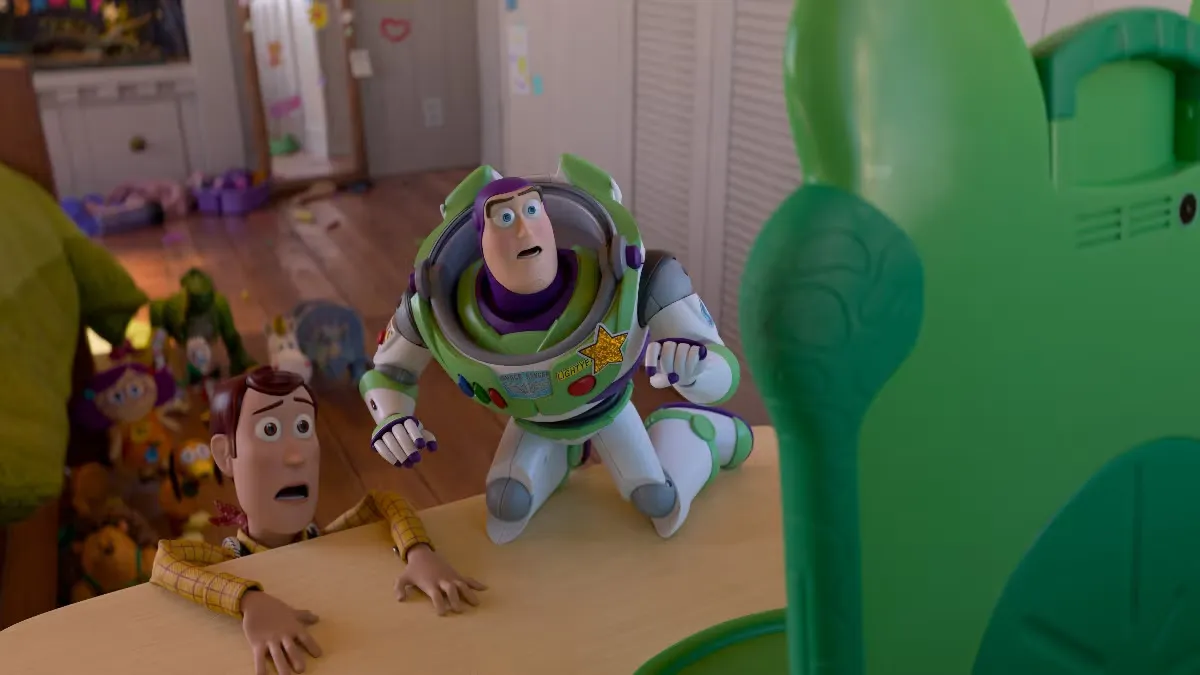
Pixar’s Toy Story 5 opened to $160 million from 4,425 domestic locations and $312 million worldwide, topping the Toy Story 4 (2019) launch of $121 million domestic and $249 million global. The stronger-than-prior-franchise start raises the ceiling for the rest of the summer as competing releases wobble and audience attention concentrates on tentpoles.
Pixar’s Toy Story 5 just set a new franchise record with a $312 million worldwide opening, and the domestic number is equally loud: $160 million from 4,425 locations. That beats the Toy Story 4 benchmark that previously stood at $121 million domestic and $249 million global when it opened in 2019, making this one of those launches where the math says “momentum,” not “miracle.”
In plain terms for decision-makers: the franchise is coming back bigger than the prior chapter at the same early moment. Toy Story 4 ultimately landed at $434 million domestic and $1.07 billion worldwide, and Toy Story 5 is now positioned to clear those levels, with “strong critical and audience reception scores across the board” cited as part of the reason. Early reception matters because it affects how quickly word-of-mouth spreads, which then affects weekend-to-weekend legs and the final haul theater and studio teams can plan around.
The rest of the summer calendar is already starting to reorganize itself around that reality. Warner Bros./DC’s Supergirl is currently tracking for a domestic opening next weekend in the $40 million range, which would put it in the mix but not necessarily at the top of the heap. Meanwhile, Universal/Illumination’s Minions & Monsters may bring some competition in July, but the source points to a key industry dynamic: Illumination and Pixar have coexisted before. In 2024, Inside Out 2 set a then-global record total of $1.7 billion even as Despicable Me 4 grossed $972 million in parallel, illustrating that audience attention is not always zero-sum when two major animation franchises land close enough.
Still, concentration risk shows up elsewhere. The success of Toy Story 5 is described as coming partly at the expense of Universal/Amblin’s Disclosure Day, which has fallen 62% from its $44.5 million opening weekend to a $17 million second frame. That is the kind of fast decay that makes distribution strategy and marketing spend look very different after opening weekend. If a film loses momentum early, exhibitors and studios often tighten allocations, and marketing teams either pivot messages or start reallocating budgets for the next lift in the schedule.
Beyond the tentpole headline, the box office board also sketches how audiences are slicing attention this week. Focus Features’ Obsession is third with $14.2 million in its sixth weekend, finally slipping below its $17.1 million opening after more than a month in theaters. With a domestic total of $215 million, Obsession joins Warner Bros.’ Sinners as only the second original film since the start of 2018 to cross $200 million in North America, which is a rare lane and a useful data point for executives who track theatrical viability for non-franchise plays.
A24’s Backrooms is fourth, with $7.5 million in its fourth weekend and reach of $175 million domestic and $300 million worldwide. Paramount/Miramax’s Scary Movie completes the top 5 with $6.7 million in its third weekend, bringing its total past $200 million worldwide against a $30 million budget, a reminder that lower-budget genre properties can stay profitable even if they do not dominate the widest theatrical demographics. Farther down the charts, the indie releases give a snapshot of how reception differences play out. Neon’s Leviticus opened to $2.74 million and has been well received since its Sundance premiere, with Rotten Tomatoes scores of 93% critics and 82% audience. A24’s The Death of Robin Hood has opened to $2.65 million but faces tepid reception, with a C+ on CinemaScore and RT scores of 70% critics and 67% audience.
The marketplace signal is also cultural as much as it is financial. Focus Features released Girls Like Girls in 504 locations, grossing $1.6 million, based on Hayley Kiyoko’s viral music video and subsequent novel adaptation. The film has RT scores of 89% critics and 91% audience, which suggests quality resonance. But with Toy Story 5 absorbing the top-of-funnel theatrical attention, smaller releases often need more than critical success to cut through, since foot traffic can be heavily pulled toward event movies during peak summer windows.
So what should peers in studios, investment, and distribution take away from this? Toy Story 5 is not just winning; it is resetting expectations for the franchise ceiling, and that has downstream effects on planning for the rest of 2026’s summer pipeline. When a flagship returns with $160 million domestic and $312 million global, it changes how everyone else sizes their risk, how exhibitors forecast demand, and how marketers allocate spend for openings like Supergirl next weekend and July competition like Minions & Monsters. In other words, the summer story is no longer “will the animation audience show up.” It is “how high will the tentpoles go, and who can still catch the wave after opening weekend momentum concentrates at the top.”
This story's Key Insights and Take-aways are locked.
Create a free account to unlock Executive Actions for one credit.
Register to UnlockAlways free for Executives Club members. Join the Club
More in Entertainment

Russell Brand's accuser 'bewildered and confused' as he denies 7 sex charges
The criminal case against the comedian is a live test of how media companies manage talent risk when serious allegations go public.

'It's a Magic Trick': Ballet Experts Say Rosalía's SNL Pose Is Impossible
Three ballet experts tell Rolling Stone Rosalía's gravity-defying SNL stillness shouldn't be possible - and why the debate is now part of the show.

Activision CMO: GTA 6 Will Boost Call of Duty, Not Bury It
Activision's top marketer says Rockstar's blockbuster will drive players back to consoles and into Modern Warfare 4, even as the company admits its recent strategy failed.