
Travis Knight uses Annecy to turn Laika’s Wildwood into its biggest pitch yet
Laika’s CEO frames Wildwood as the studio’s most ambitious stop-motion effort, spotlighted at Annecy to build momentum with buyers and audiences.
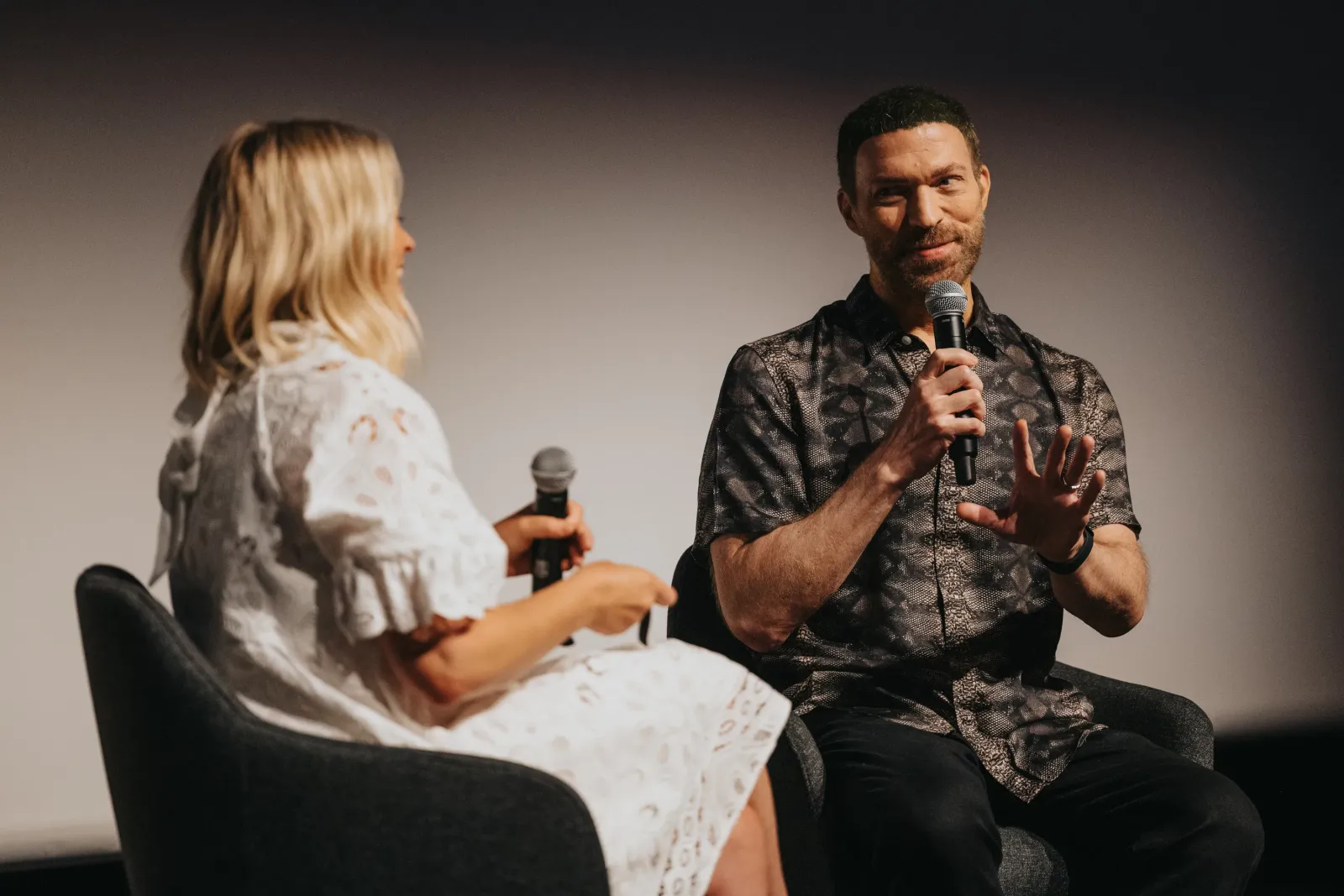
Laika President and CEO Travis Knight presented the upcoming stop-motion film Wildwood at the Annecy International Animation Film Festival. He called it the biggest and most ambitious thing Laika has ever done, signaling a push to match the studio’s prior stop-motion hits.
Travis Knight showed up at the Annecy International Animation Film Festival for a special presentation of Laika’s upcoming stop-motion opus, Wildwood. And according to Deadline, Knight framed Wildwood as “the biggest & most ambitious thing we’ve ever done.” That sentence matters for anyone tracking animation as an industry, because Laika’s track record is not built on safe choices. It is built on expensive craft, high expectations, and movies that perform well enough to justify the next, bigger swing.
If you have followed Laika at all, you have the reference points loaded. Laika’s mark on stop-motion animation includes Coraline (2009), ParaNorman (2012), The Boxtrolls (2014), Kubo and the Two Strings (2016), and Missing Link. The immediate subtext of Knight’s Annecy appearance is simple: Wildwood is being positioned as the logical continuation of that run, but with extra intensity. Announcing it in a festival setting is not just a creative flex. It is a business move aimed at keeping the studio’s momentum alive with the people who can actually help scale reach, from programming tastemakers to industry buyers.
To understand why Annecy is the stage for this kind of pitch, think about what film festivals do for a portfolio like Laika’s. They concentrate attention into a short window. They also put a movie in front of decision-makers who are not just evaluating art, but evaluating risk. When a studio says the project is its “biggest & most ambitious” effort, it is effectively telling the market that the upside could be larger, but so can the cost and the timeline pressure. Festival screens, question-and-answer buzz, and trade coverage can all help a studio validate that a new original property is worth the attention and spend.
There is also the incentive layer behind a CEO showing up in person. Studios often split roles: creative teams build, marketing teams schedule, distribution teams negotiate. But when the CEO steps into the spotlight, it signals board-level importance. In practice, that can mean internal alignment is high around Wildwood and that leadership believes the project needs external momentum early. Annecy can function like a forcing mechanism. Once a film is officially in the festival conversation, the studio inherits a new kind of accountability: the project has to meet the narrative set before it reaches mass audiences.
Laika’s history adds extra weight to this kind of positioning. The earlier films Knight’s presentation references are not random titles. Coraline, ParaNorman, The Boxtrolls, Kubo and the Two Strings, and Missing Link represent a consistent decision to invest in stop-motion, despite the time and cost overhead versus more conventional animation pipelines. Stop-motion is slower, more labor intensive, and more craft-dependent. That means a studio leaning into stop-motion is also leaning into a specific business model: treat each release as both a cultural event and a proof point that the method still attracts audiences.
So what are the second-order implications for executives and boards watching from the next table? First, Wildwood is being introduced as an operational test of whether Laika can scale its own standard of ambition. When a CEO frames a movie as the biggest the studio has ever done, it sets expectations that influence stakeholder conversations long before the first trailer lands, including internal resourcing and external distribution planning. Second, it suggests that Laika is using festival visibility to reduce uncertainty. In creative industries, uncertainty is the enemy of planning. Festival attention is one way to transform an abstract bet into something stakeholders can talk about with confidence. Third, it implies a competitive recalibration. If you are an adjacent studio, an investor, or a production partner, you are now measuring your own slate against an announced “biggest and most ambitious” benchmark.
There is one more angle worth noting, and it is about how these announcements travel through the industry. Deadline is covering Knight’s Annecy presentation as a featured event, which means the story is likely to circulate among the same networks that decide which projects get early meetings, which ones get prioritized in distribution workflows, and which ones are discussed in industry panels. When a studio puts a CEO message around a specific film and ties it to a recognized festival like Annecy, it effectively turns a creative milestone into an industry signal.
For decision-makers, the takeaway is not “Laika is making another stop-motion movie.” The real stake is that Wildwood is being positioned as a high-conviction bet, with leadership explicitly elevating it as Laika’s biggest and most ambitious effort. If the studio pulls it off, it reinforces Laika’s brand as the go-to stop-motion player for premium original storytelling. If it stumbles, the cost of ambition gets exposed. That is why an Annecy appearance with Knight at the center is a strategic moment, not just a creative stop on a festival circuit.
This story's Key Insights and Take-aways are locked.
Create a free account to unlock Executive Actions for one credit.
Register to UnlockAlways free for Executives Club members. Join the Club
More in Entertainment

Russell Brand's accuser 'bewildered and confused' as he denies 7 sex charges
The criminal case against the comedian is a live test of how media companies manage talent risk when serious allegations go public.

'It's a Magic Trick': Ballet Experts Say Rosalía's SNL Pose Is Impossible
Three ballet experts tell Rolling Stone Rosalía's gravity-defying SNL stillness shouldn't be possible - and why the debate is now part of the show.

Activision CMO: GTA 6 Will Boost Call of Duty, Not Bury It
Activision's top marketer says Rockstar's blockbuster will drive players back to consoles and into Modern Warfare 4, even as the company admits its recent strategy failed.