
Truck bomb near Venezuela border wounds 14, days before President-elect Abelardo de la Espriella takes office
A rebel-blamed attack hits Colombia as a leadership transition looms and peace negotiations face an imminent reset.
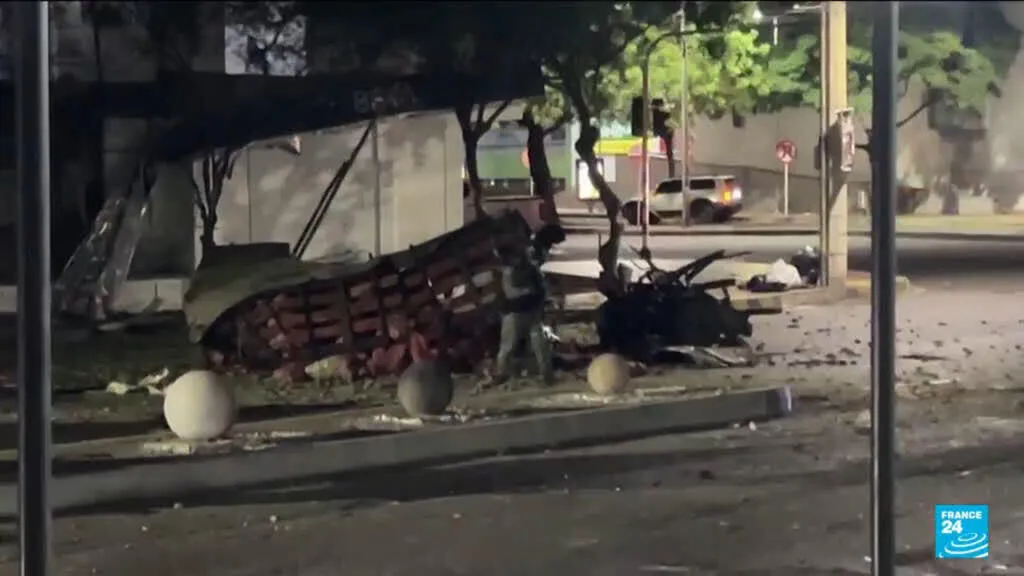
Colombia’s government blamed rebel groups for a truck bomb that wounded 14 people near the border with Venezuela. The attack landed less than a week before President-elect Abelardo de la Espriella is due to take office and said he plans to end the current administration’s peace negotiations with various armed groups.
A truck bomb near Colombia’s border with Venezuela wounded 14 people, and Colombia’s government is blaming rebel groups. The timing matters almost as much as the injury count: the attack came less than a week before President-elect Abelardo de la Espriella is due to take office.
For decision-makers watching Colombia, the near-term question is not just public safety. It is whether a transition led by de la Espriella will change the political and operational assumptions that currently sit behind any ongoing engagement with armed groups. De la Espriella has said he plans to end the current administration’s peace negotiations with various armed groups, so an attack like this becomes part of the “what happens next” picture, whether policymakers want it to or not. Morgan Ayre reports.
To understand why this is a board-level concern, zoom out to how security shocks ripple through governance, markets, and risk planning. When governments point to rebel actors in an attack, it signals both accountability and intent, essentially telling communities and would-be negotiators that the state sees continued violence as unacceptable. That can harden positions and compress timelines. Even if peace tracks continue on paper, the political capital required to sustain them tends to rise when violence spikes.
This is especially sensitive in Colombia because the story is already inside an election-to-transition funnel. A new president stepping in, with a stated plan to end peace negotiations with various armed groups, creates a high-pressure environment for anyone who depends on stability. That includes local authorities who handle security and logistics, businesses that operate in or near affected regions, and financial actors who price country and project risk based on expectations of governance continuity. The “less than a week” window makes it harder to assume calm, gradual change.
There is also an incentives angle. Peace negotiations are not just moral or legal processes; they are political bargaining. If de la Espriella is determined to unwind the current administration’s negotiations, he will likely need a strong rationale to justify disruption. A violent incident blamed on rebel groups can be used to argue that negotiations have not produced the outcomes people demanded. In parallel, armed groups and their supporters may interpret the incoming administration’s stated intent as a signal to escalate tactics, to gain leverage before the policy reset takes full effect.
What makes this a particularly urgent watch for executives is that security events often trigger cascading operational decisions long before any formal policy changes. Organizations planning travel, staffing, supply routes, construction timelines, and community engagement will respond to the risk environment, even if the underlying negotiating policy is still being argued in government offices. Insurance coverage, contract force majeure provisions, and contingency plans can come under review. Procurement teams may tighten vendor requirements for regions perceived as unstable. Those second-order moves are where operational costs and execution delays can start to compound.
From a regulatory and policy framing perspective, the report is clear about what we know and what it implies. Colombia’s government has blamed rebel groups. That attribution matters because it influences how authorities justify enforcement actions, resource allocation, and any changes to how the state interacts with armed actors. But the report is also explicit about the broader political backdrop: de la Espriella has said he plans to end the current administration’s peace negotiations with various armed groups. Put together, the message to stakeholders is that the transition could reduce the room for negotiation in practice, even if negotiations have been ongoing.
For peers in similar roles, the strategic stake is simple: when a leadership change combines with a security shock, the risk premium can move faster than policy language. Boards should treat the situation as a timing problem as much as a security problem. Even with no additional facts beyond the report, the structure is clear: an attack occurs, the state blames rebel groups, and a newly elected president signals a peace-negotiation reversal. That combination is the kind of mix that can alter planning assumptions across sectors, not just in government offices.
This story's Key Insights and Take-aways are locked.
Create a free account to unlock Executive Actions for one credit.
Register to UnlockAlways free for Executives Club members. Join the Club
More in Politics
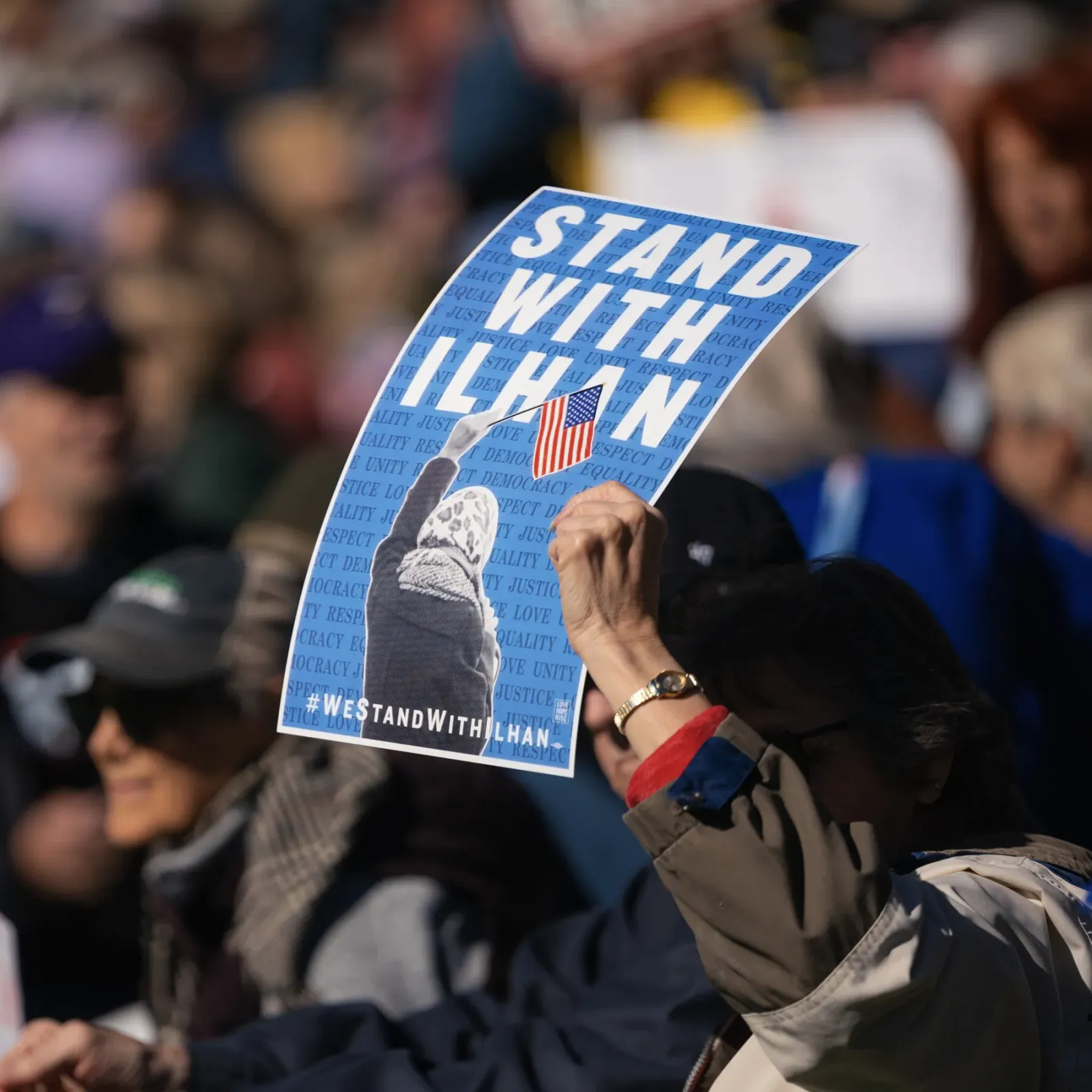
Obama Defends Ilhan Omar After Agents Search Her Home in Trump Inquiry
The former president's intervention raises the stakes in a federal probe into immigration paperwork that has put a prominent progressive lawmaker in the crosshairs.

Blair-era minister: cut welfare to fund youth job support
Alan Milburn's call for welfare cuts to fund employment support opens a Labour fight over benefits and the Neet crisis.
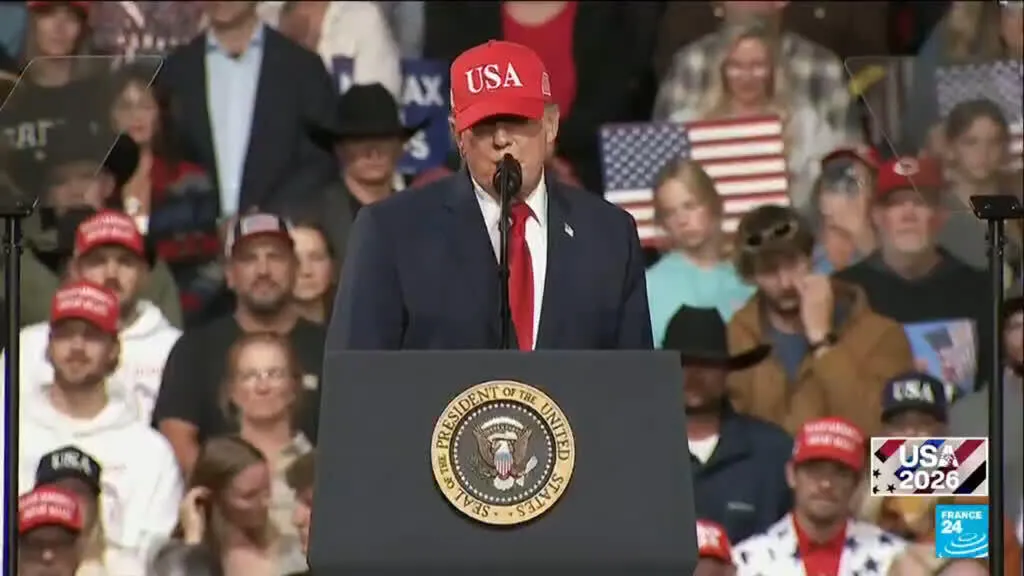
Hot September CPI: energy costs surge, voters feel the squeeze before midterms
The latest inflation print lands as Trump campaigns for GOP control of Congress, putting cost-of-living worries at the center of the midterm fight.