

Trump appointees on historic preservation council could loosen protections nationwide
A rewrite of historic preservation rules could speed up Trump’s D.C. arch plans and increase risks to sites everywhere.

A council packed with Trump appointees is poised to rewrite historic preservation rules that guide how historic sites are protected. Decision-makers should expect faster clearance pathways that could weaken safeguards in Washington and beyond.
A council packed with Trump appointees is poised to rewrite historic preservation rules, and critics argue the change is not limited to Washington, D.C. The worry: it could help accelerate Trump’s D.C. arch plans while also endangering important historic sites across the country.
Why this matters is simple. Historic preservation rules are the guardrails that slow down or block projects when they threaten culturally significant places. If those guardrails get rewritten in a way that reduces protections or increases discretion for reviewers, it can change timelines, project costs, and what kinds of developments can move forward. In other words, this is not just a policy tweak for history nerds. It is a decision that can reshape what gets built, how fast, and at what risk.
To understand the stakes, it helps to know how historic preservation usually works in the U.S. Historic sites are protected through a patchwork of laws, regulations, and review processes that flag properties with cultural or historical value and then require agencies and project sponsors to account for potential impacts. In practice, these processes tend to create friction. They can require more documentation, more consultations, and more revisions to designs when officials determine that a project could harm a protected site or its setting.
A council poised to rewrite those rules is, therefore, an engine for changing friction levels. A rewrite can mean fewer mandatory steps, different thresholds for what counts as an impact, or more room for decision-makers to balance preservation against other priorities. Even small changes can have big downstream effects, because historic preservation is one of those issues that tends to show up late in planning. A developer can spend months designing, only to be forced into redesigns or lengthy review once preservation concerns surface.
That is why critics focus on the D.C. arch. They argue that weakening protections could make it easier for a project like that to move faster. The underlying logic is not hard to see: if a governing body updates how historic properties are assessed or protected, it can shift outcomes for projects that intersect with sensitive areas. When critics say this could “help him build his D.C. arch faster,” they are pointing to the practical effect of rule changes on project schedules.
But the most important part for executives and other decision-makers is the “across the country” angle. A national rule rewrite does not just affect one flagship project. It can affect how municipalities, agencies, and project teams approach similar situations elsewhere, because many communities rely on consistent interpretation of preservation standards. If the council’s changes reduce protections or tighten review processes in one region, those new norms can propagate. Agencies may follow the rewritten framework; project sponsors may plan around it; and boards may adjust risk assumptions when evaluating real estate, infrastructure, or large development pipelines.
There is also a governance dimension. Councils dominated by appointees aligned with a political agenda can create uncertainty for stakeholders who assumed continuity. Even when a rule change is not immediate, the signal itself can matter. Companies and other organizations plan using expectations about how regulators will evaluate proposals. If rule-making is heading toward less protection for historic sites, stakeholders may anticipate faster approvals for projects that could be challenged under prior standards, while also anticipating increased reputational and legal exposure for actions that are seen as trampling preservation.
Second-order implications follow quickly. Faster review pathways can reduce carrying costs for development teams, which can make certain projects pencil out when they otherwise would not. But weaker protections can also raise the odds of backlash from communities, nonprofits, and advocacy groups. That can surface later as political pressure, litigation risk, or contractual disputes with landowners and partners who want to avoid reputational damage.
For executives, the strategic takeaway is that this kind of rule rewrite changes the playing field, not just the paperwork. If historic preservation rules are loosened by a council packed with Trump appointees, decision-makers in real estate, infrastructure, and major construction should treat timelines and risk models as something to revisit now. The question is not whether history matters. It is whether the rules that enforce that value are about to get less strict, and what that means for your project pipeline, your compliance posture, and your board-level risk appetite.
This story's Key Insights and Take-aways are locked.
Create a free account to unlock Executive Actions for one credit.
Register to UnlockAlways free for Executives Club members. Join the Club
More in Politics
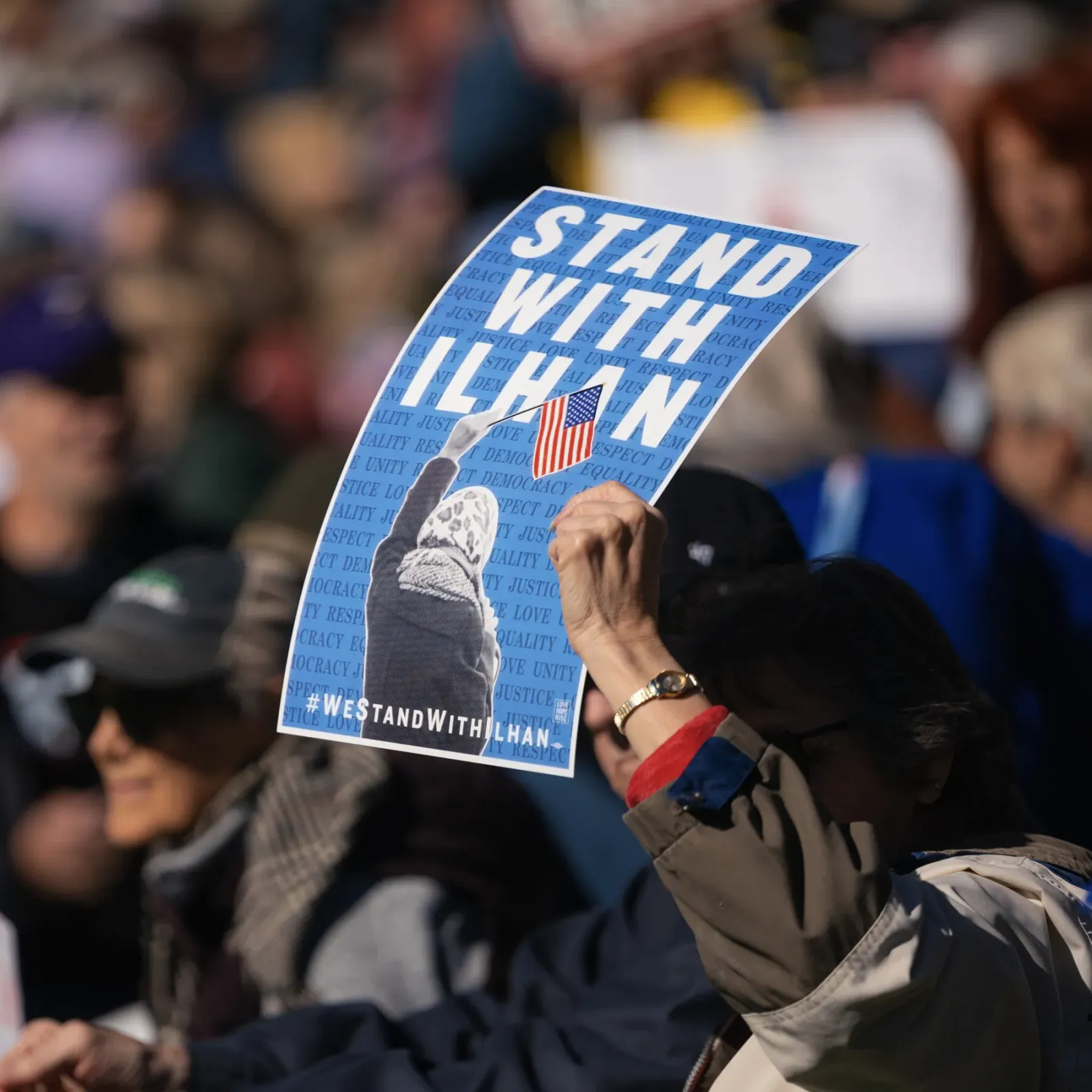
Obama Defends Ilhan Omar After Agents Search Her Home in Trump Inquiry
The former president's intervention raises the stakes in a federal probe into immigration paperwork that has put a prominent progressive lawmaker in the crosshairs.

Blair-era minister: cut welfare to fund youth job support
Alan Milburn's call for welfare cuts to fund employment support opens a Labour fight over benefits and the Neet crisis.
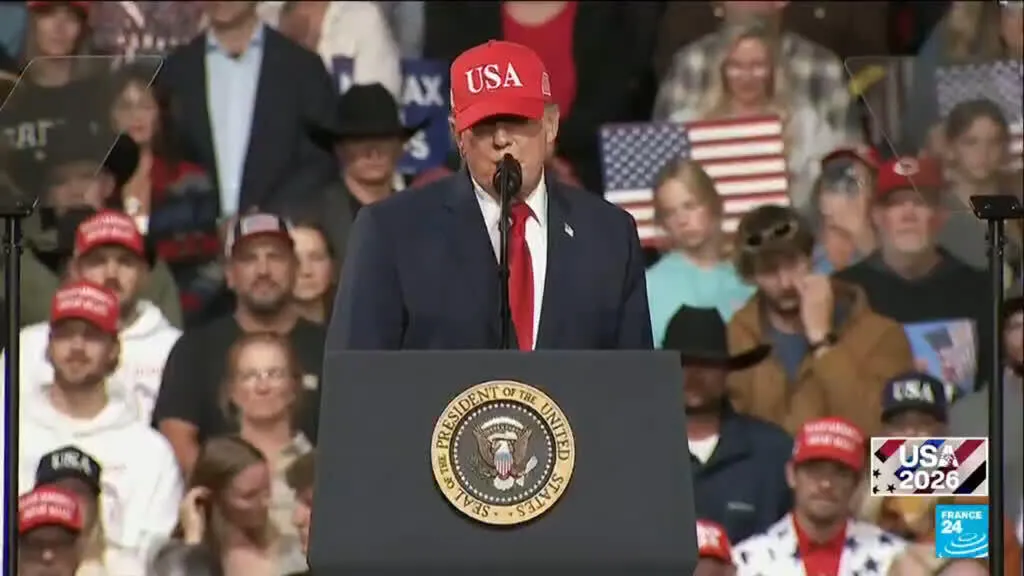
Hot September CPI: energy costs surge, voters feel the squeeze before midterms
The latest inflation print lands as Trump campaigns for GOP control of Congress, putting cost-of-living worries at the center of the midterm fight.