
Trump blames Ukraine weapons transfers for Iran war fallout. Fact-check says it misses.
A New York Times check untangles claims linking the Iran war to oil prices and munitions shortages.
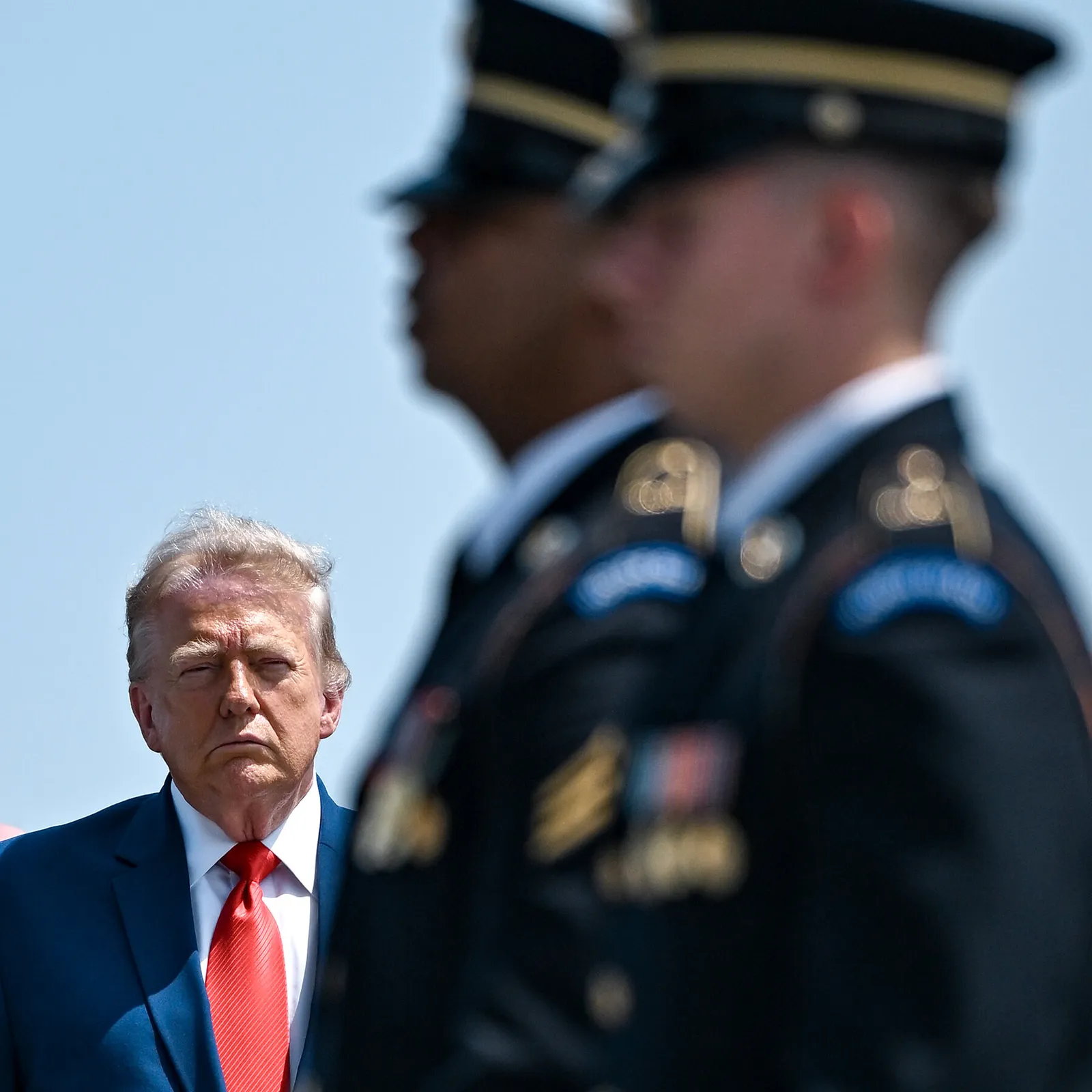
The New York Times fact-check reviews claims by President Trump about how the Iran war affects oil prices, munitions stockpiles, and other issues. The consequence for decision-makers is clear: his explanation points to the Biden administration’s Ukraine weapons transfers, but the reporting frames the linkage as misleading.
President Trump has been misleadingly blaming the Biden administration’s weapons transfers to Ukraine for current concerns over munitions stockpiles, among other claims about the Iran war, according to a New York Times fact-check.
That matters because the headline act here is not just rhetoric. Munitions stockpiles and supply constraints are the kind of operational reality that can move budgets, procurement calendars, contractor capacity, and the willingness of governments to authorize new commitments. When a president ties supply worries to one policy lever, it shapes how executives, boards, and investors interpret risk across defense manufacturing, logistics, and energy markets. In this case, the Times report says the blame is misleading, even as Trump uses the claim to connect today’s munitions anxiety to decisions from the Biden era.
Zoom out and you see why this framing is so politically sticky. National security policy has a basic mismatch built in: the policy decisions that can be announced quickly do not always line up with the inventory timelines that take months to produce, route, and store. Weapons transfers to allies can be both strategically motivated and operationally disruptive. If stockpiles were trending down, or if resupply is taking longer than expected, a politician will naturally look for a direct cause. Trump’s argument, as described by the Times, points toward Biden’s Ukraine transfers as that cause, and uses the Iran war as the broader setting for the supposed chain reaction.
But the Times fact-check is effectively asking a sharper question: does the logic actually connect the events the way it is presented? The report specifically highlights that Trump misleadingly blamed the Ukraine weapons transfers for current concerns over munitions stockpiles. That is the important correction in the story, because the munitions supply story is rarely one-dimensional. In the real world, stockpiles can be influenced by procurement cycles, demand forecasts, production bottlenecks, export licensing rules, transportation and storage capacity, and decisions made by multiple administrations and coalition partners. If a single explanation is offered with too much confidence, executives should treat it as a narrative, not a supply-chain model.
The second place where this gets dangerous is oil prices. The New York Times fact-check also addresses Trump’s claims about the effect of the Iran war on oil prices, along with munitions and more. For market participants, the Iran war-to-oil link is not just political theater. Oil prices react to perceived risk in key shipping lanes and supply disruptions. But they also move with broader macro forces, including global demand expectations and production decisions by major oil producers. When a political figure attributes oil price concerns to a particular policy transfer, the implication is that specific actions are the root of the market move. If that attribution is misleading, then using it to guide risk models can lead to mispriced hedges, wrong scenario weights, and overly confident expectations about how quickly conditions will normalize.
There is also a corporate-governance angle that executives cannot ignore. Defense contractors and energy-adjacent businesses often operate in environments where policy, regulation, and budget priorities can shift rapidly. Boards want to know whether volatility in demand and procurement is driven by genuine inventory constraints or by political explanations that may not map cleanly to operational realities. The Times framing is a reminder that senior policymakers can compress complex drivers into a single storyline. For the boardroom, the job is to separate the storyline from the underlying mechanics.
Finally, the strategic stakes extend beyond one administration. If the public debate locks onto an inaccurate causal link, it can influence future policy choices, procurement mandates, and the terms of future assistance. That can affect contract structures, delivery schedules, and how supply contracts are staffed and staged. For peers in defense and related supply chains, the lesson is not to litigate politics. It is to recognize that when leaders point to a particular lever, they may be oversimplifying the drivers. Even if some policies contribute to friction, the broader demand and production math is usually bigger than one transfer program.
So the core takeaway from the New York Times fact-check is straightforward: Trump’s explanation of current concerns over munitions stockpiles is described as misleading, even as he links it to Biden’s weapons transfers to Ukraine and folds it into claims about the Iran war’s impact on oil prices and more. In an era where budgets, contracts, and hedging decisions move faster than inventories, getting the causality right is a competitive advantage.
This story's Key Insights and Take-aways are locked.
Create a free account to unlock Executive Actions for one credit.
Register to UnlockAlways free for Executives Club members. Join the Club
More in Politics
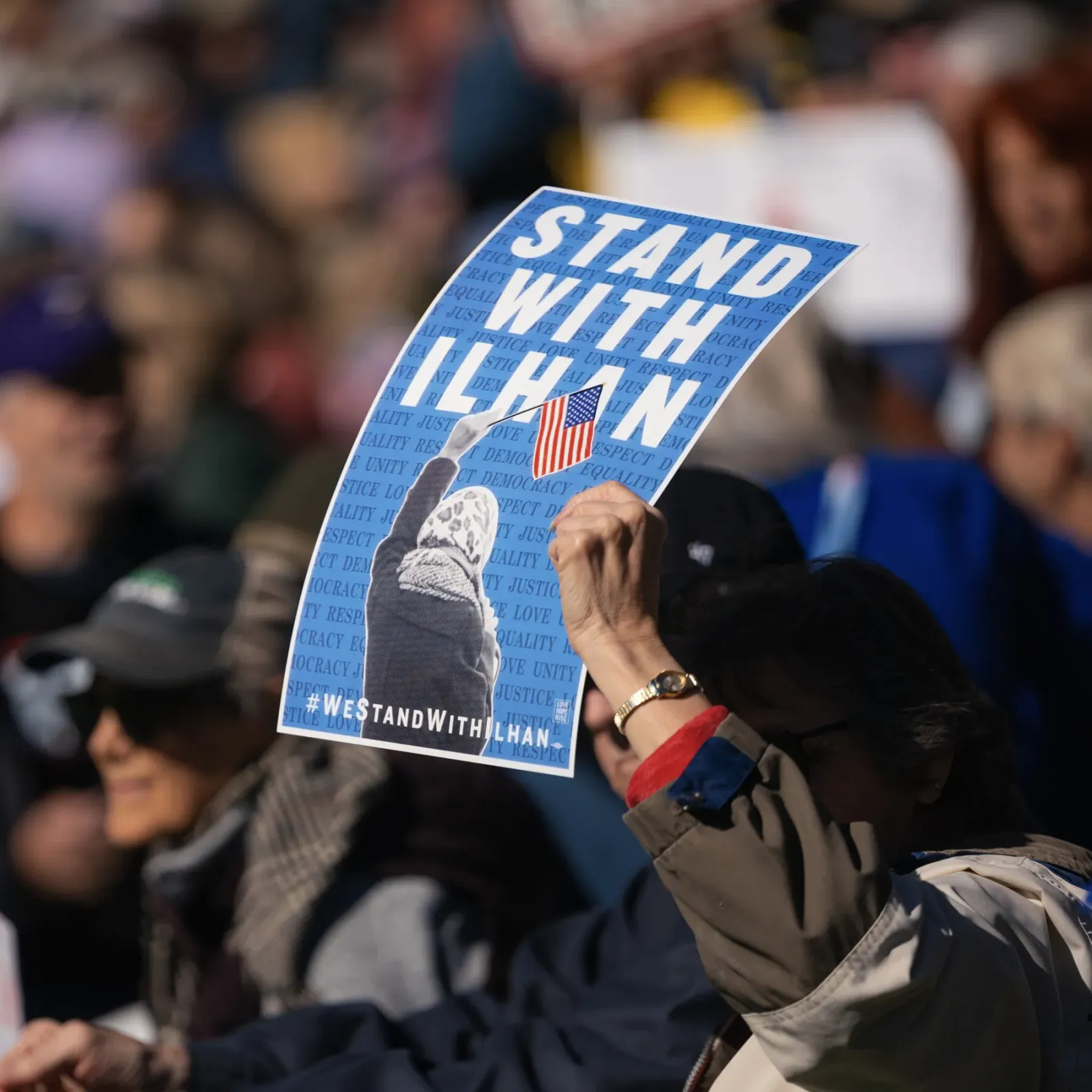
Obama Defends Ilhan Omar After Agents Search Her Home in Trump Inquiry
The former president's intervention raises the stakes in a federal probe into immigration paperwork that has put a prominent progressive lawmaker in the crosshairs.

Blair-era minister: cut welfare to fund youth job support
Alan Milburn's call for welfare cuts to fund employment support opens a Labour fight over benefits and the Neet crisis.
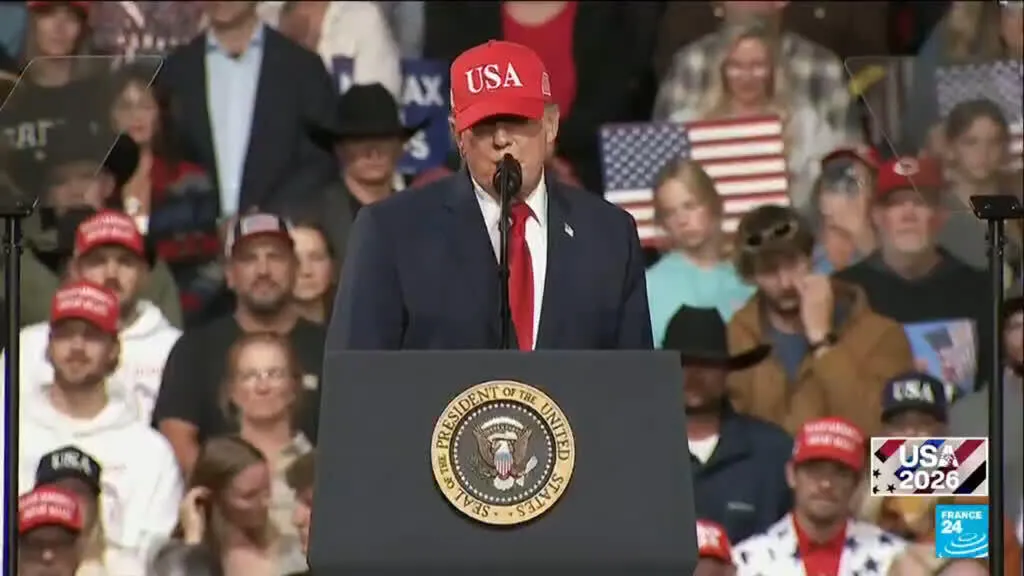
Hot September CPI: energy costs surge, voters feel the squeeze before midterms
The latest inflation print lands as Trump campaigns for GOP control of Congress, putting cost-of-living worries at the center of the midterm fight.