

Trump calls “historic” Hamas disarmament deal. Skeptics ask if it reaches ceasefire reality
A Trump 20-point Gaza plan hits a new milestone on paper, but the biggest question is whether it survives scrutiny and execution.
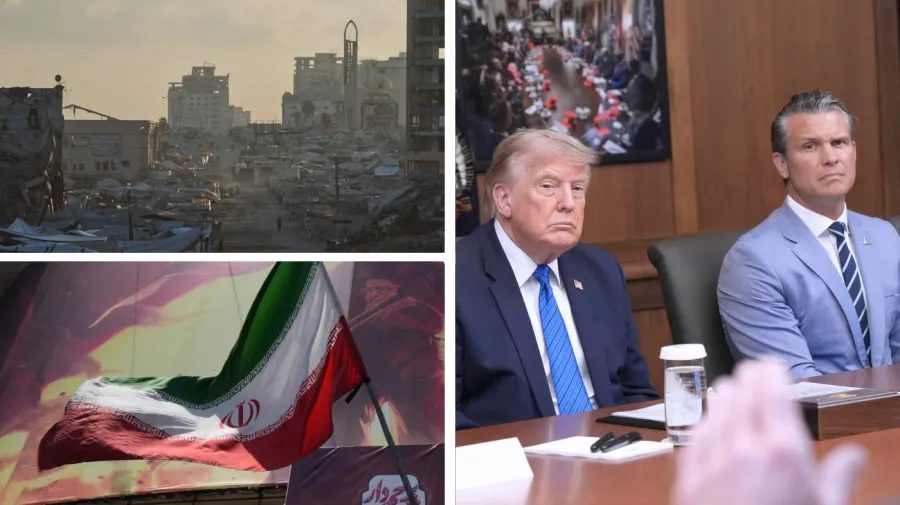
President Trump announced a “historic” deal reached with negotiators that includes disarming Hamas as part of his 20-point plan toward a ceasefire in Gaza and an end to the war between Israel and Hamas. The immediate consequence for decision-makers is a live, uncertain timeline, where skeptics will test whether the agreement moves from announcement to implementation.
President Trump’s announcement of a “historic” deal reached with negotiators this week, including disarming Hamas, is now the headline political milestone in the push for a ceasefire in the Gaza Strip. But the preview for Sunday shows is blunt about the risk: skeptics are already questioning whether the deal can move from paper to reality.
That uncertainty matters because the agreement is positioned as part of Trump’s 20-point plan to reach a ceasefire in Gaza and bring an end to the war between Israel and Hamas. When the centerpiece of an international agreement is framed as a comprehensive political plan, execution is everything. The announcement may reset expectations, but it also invites a tougher round of scrutiny over what “disarming” means in practice, who verifies it, and how quickly the parties can translate diplomacy into on-the-ground outcomes.
For executives, board members, and investors, the relevant part is not the word “historic.” It is the operational and risk-management reality that comes after public diplomacy. In high-stakes geopolitical moments like this, markets and institutions react to timelines and credibility. Even before any changes occur, skepticism about implementation can mean heightened volatility in everything tied to the region: risk premia, insurance assumptions, logistics planning, and political risk frameworks used by treasury teams.
The Hill’s framing highlights the classic gap between announcement and implementation. Deals in complex conflict environments tend to face hurdles that are less about intent and more about mechanics: verification, enforcement, sequencing, and whether one side’s compliance can be sustained long enough to keep the process moving. When skeptics doubt the deal can move from paper to reality, they are implicitly challenging that the hardest parts have been solved. That is where decision-makers start paying attention, because the “how” determines whether organizations have to prepare for extended uncertainty rather than a rapid stabilization.
There is also a policy incentive angle here. A 20-point plan signals a structured, step-by-step approach, which can help policymakers coordinate messaging and justify timelines. But it can also raise the stakes for each step: if earlier milestones do not lead to measurable progress, the political cost of delay becomes higher. For leaders trying to manage cross-border risk, a plan that looks comprehensive can still produce a fragmented execution pathway, with certain components advancing faster than others. That kind of uneven progress often prolongs the period where no one can confidently underwrite “normal” assumptions.
Second-order implications show up inside organizations too. Many companies already run governance processes that treat political risk as a dynamic variable, not a static label. A major announcement that is immediately contested by skeptics is exactly the sort of event that triggers review cycles: reassessing exposure, updating scenario plans, and checking whether any counterparties or supply chains are indirectly affected. Even firms not operating in the region typically have to think about how sanctions risk, shipping corridors, compliance burdens, and reputational pressures evolve as the diplomatic narrative shifts.
Boards also tend to focus on the credibility pipeline: who is accountable for turning promises into outcomes. The Hill preview makes clear that negotiators are involved and that the agreement was reached and then publicly announced. That said, skeptics wondering if it can move to reality is a reminder that announcements do not equal enforceable arrangements. In international disputes, the operational truth often arrives later, through verification procedures, compliance monitoring, and tangible changes to conditions on the ground.
Strategically, the key stake is whether the Trump administration’s ceasefire strategy can convert political signaling into a path that others accept and implement. If the deal stalls, the 20-point plan can look like a bold framework that nevertheless fails to close the final mile. If it advances, it can reshape how leaders, institutions, and markets interpret near-term risk. Either way, the Sunday shows preview spotlights a moment when expectations are being actively rewritten, and the next phase will depend on whether the skepticism is proven wrong by execution.
This story's Key Insights and Take-aways are locked.
Create a free account to unlock Executive Actions for one credit.
Register to UnlockAlways free for Executives Club members. Join the Club
More in Politics
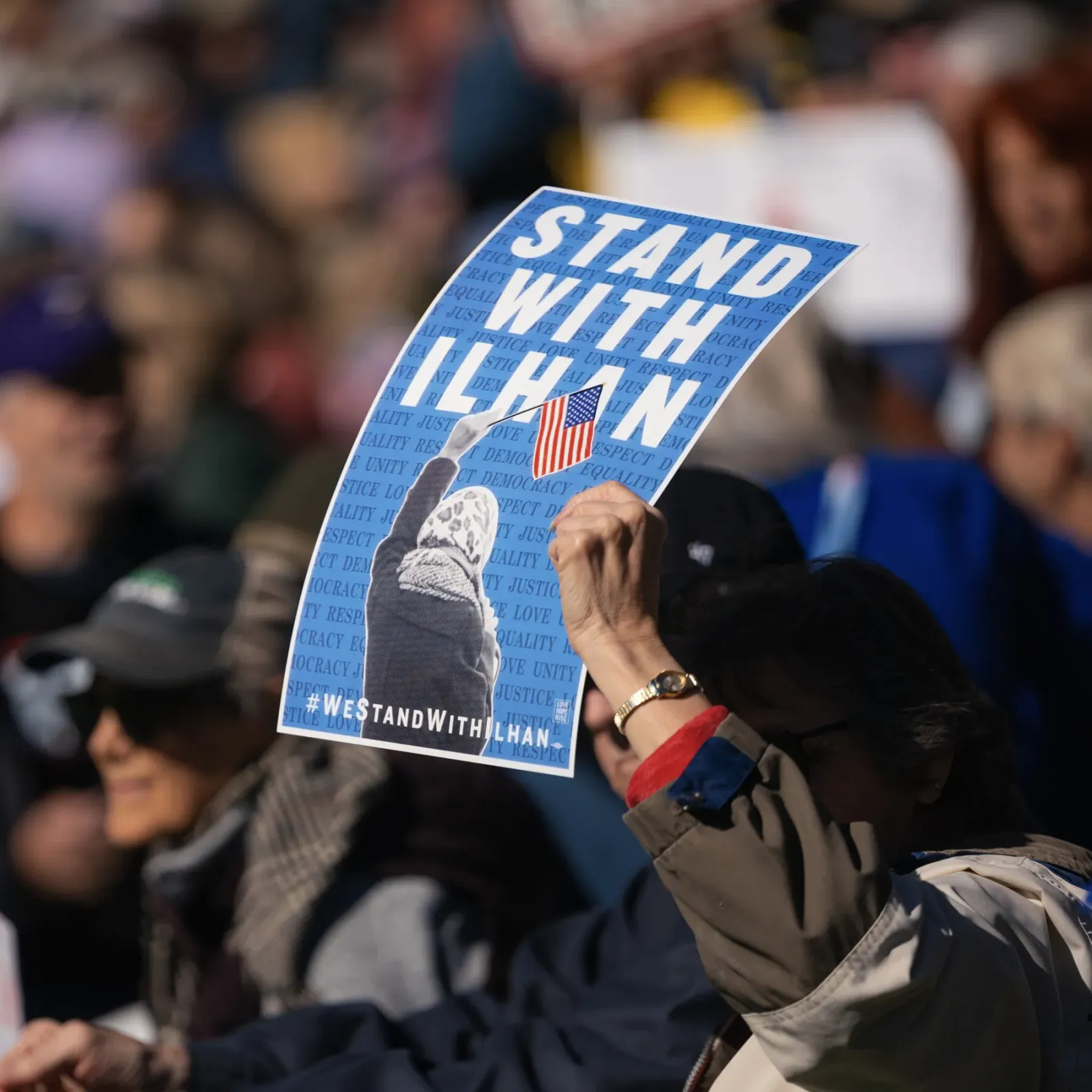
Obama Defends Ilhan Omar After Agents Search Her Home in Trump Inquiry
The former president's intervention raises the stakes in a federal probe into immigration paperwork that has put a prominent progressive lawmaker in the crosshairs.

Blair-era minister: cut welfare to fund youth job support
Alan Milburn's call for welfare cuts to fund employment support opens a Labour fight over benefits and the Neet crisis.
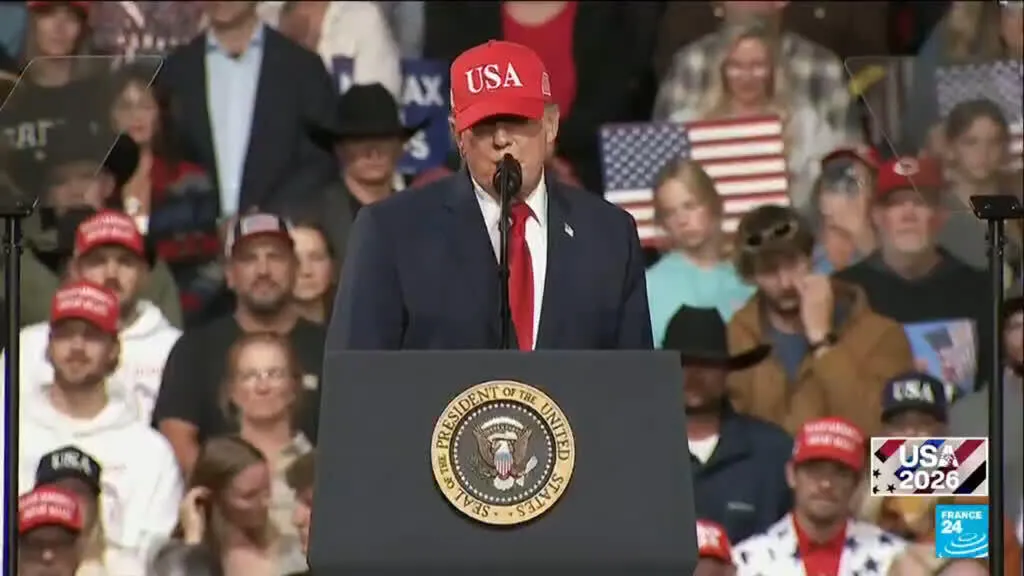
Hot September CPI: energy costs surge, voters feel the squeeze before midterms
The latest inflation print lands as Trump campaigns for GOP control of Congress, putting cost-of-living worries at the center of the midterm fight.