
Trump pauses new Iran strikes after allies outline deal to reopen Hormuz
A social-media claim of “Immediate, Complete, and Total OPENING” shifts U.S. strike posture and raises regional market risk questions.
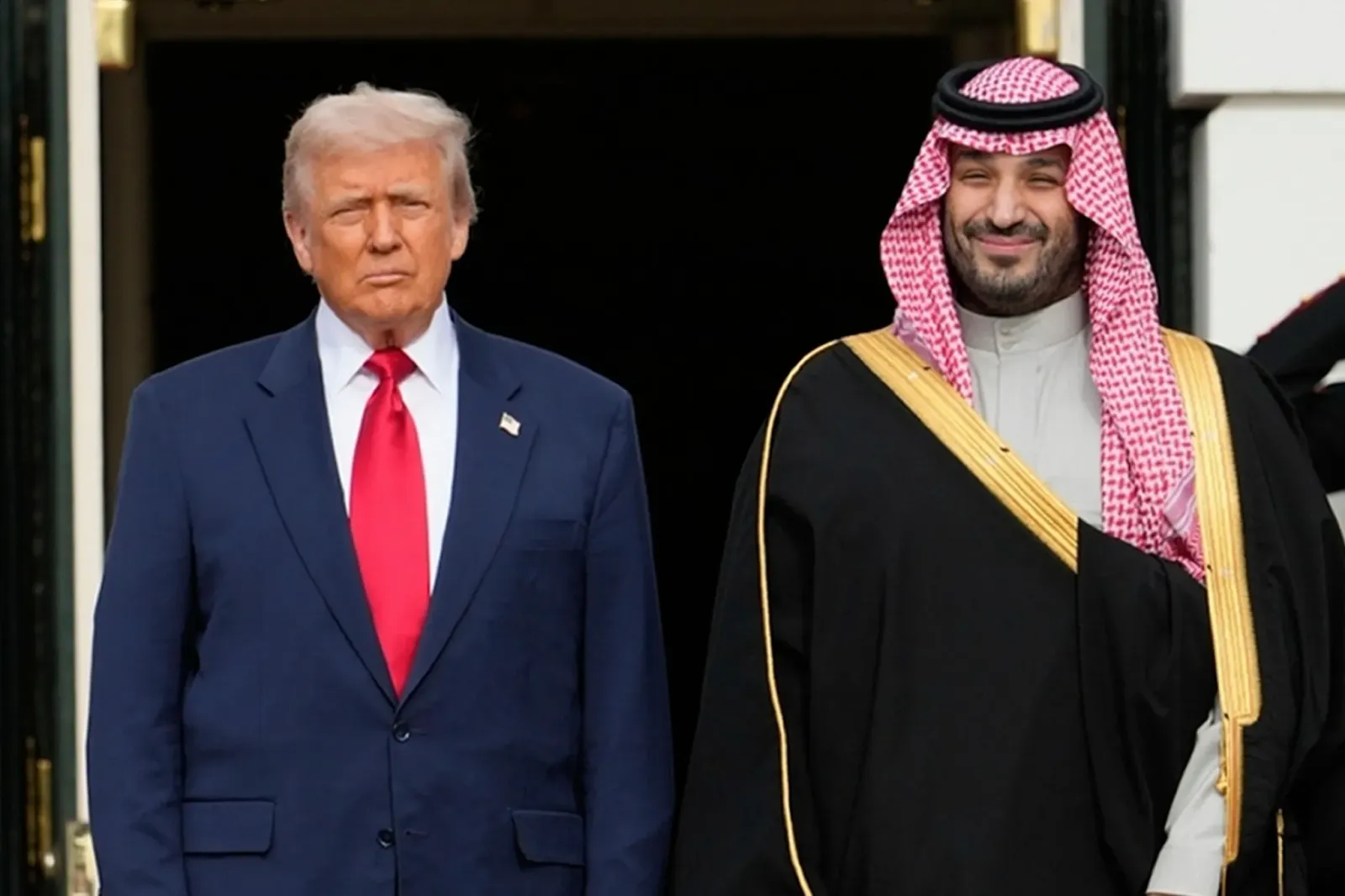
President Donald Trump said in a Saturday evening social media post that he is holding off on ordering new strikes on Iran after Mideast allies reached deal parameters. He also said Israel agreed to join the U.S. to try to complete an agreement that would include reopening the Strait of Hormuz and ending Iran’s nuclear threat.
President Donald Trump said on Saturday evening that he would pause new U.S. strike orders on Iran, claiming Mideast allies have reached the parameters of a deal to end the war that began five months ago. In the post, Trump said the emerging deal would “include the Immediate, Complete, and Total OPENING OF THE HORMUZ STRAIT, and an end to Iran’s nuclear threat.” He also said he agreed “for the future benefit of the WORLD and, likewise, the survival of a successful and prosperous Iran, to cancel the attack, subject to being able to rapidly make a DEAL.”
The practical effect is clear: Trump is trying to swap an escalation path for a diplomatic one, at least temporarily. He framed it as conditional, not a reset button, and the deal language matters because the Strait of Hormuz is a chokepoint for global energy flows. Even the threat of disruption can move oil prices, tighten shipping insurance pricing, and ripple into inflation expectations, especially with U.S. midterm elections in November looming and public skepticism about the conflict already high. In other words, this isn’t just foreign policy theater. It is market plumbing.
Trump’s statement also adds a second key player to the mix: Israel. Trump said Israel has agreed to join the U.S. in the commitment to try to complete the Iran agreement that would bring about an end to the war. That matters because any deal involving Iran, nuclear constraints, and maritime access is rarely a two-sided negotiation. It is usually a multi-party “alignment test” where partners want assurance on security guarantees, sequencing, and enforcement. The source also notes Saudi Arabia’s concerns in parallel, underscoring how allies can influence whether escalation continues or cools.
According to the source, Saudi Crown Prince Mohammed bin Salman, the kingdom’s de facto leader, raised concerns in a phone call with Trump about the U.S. potentially escalating with Iran. The concern, as described by a person familiar with the leaders’ discussion who was not authorized to comment publicly, is about what happens if the U.S. targets Iran’s energy infrastructure or launches “massive strikes” on other key infrastructure. The worry is that Tehran could respond by attacking Saudi Arabia’s and other Gulf countries’ energy infrastructure. Saudi Arabia earlier this week joined the U.S. in striking multiple logistics and weapons sites used by Iranian-backed militias in Iraq, while still urging the U.S. and Iran to return to the negotiating table to find an endgame for the five-month conflict.
The Saudi angle gets operational too. The crown prince reportedly sought clarity from Trump on what potential new action he was weighing. Separately, the crown prince dispatched his brother, Saudi Defense Minister Khalid bin Salman, to Washington earlier this week for meetings with Trump and Vice President JD Vance to discuss Iran strategy. Meanwhile, a White House official confirmed the leaders spoke on Saturday but did not add detail about substance. So the picture that emerges from the source is not just “Trump backs off.” It is “allies applied pressure, and the administration is now signaling a different decision tree.”
This is happening in a context where U.S.-Iran tensions are already high and credibility is on trial. Trump has vowed retaliatory action after the U.S. military thwarted a surprise attack earlier this week by Iran on a U.S. base in Jordan. On Friday, Trump told reporters “we just want to win” in Iran and said the U.S. would hit Iran “very hard” until they can’t take it anymore. White House press secretary Karoline Leavitt expressed frustration that Tehran signed a memorandum of understanding with the U.S. on a truce last month but then quickly “broke it, shot at commercial ships, and killed American soldiers.” That language shows the administration’s internal logic: diplomacy is only valuable if it is not treated as a pause button for operational aggression.
For decision-makers watching from the commercial side, the second-order impact runs through travel, risk, and supply chains. On Saturday, the U.S. State Department issued new security alerts for Americans in 10 countries in the region, urging heightened caution due to escalating tensions with Iran. The warnings cover Bahrain, Israel, Iraq, Jordan, Kuwait, Lebanon, Oman, Qatar, Saudi Arabia and the United Arab Emirates, and urged Americans to prepare for the possibility of flight cancellations, temporary airspace closures and other travel disruptions. Even before any formal deal is complete, that kind of guidance can hit airline schedules, logistics capacity, and workforce planning.
And yes, there is an election clock in the background. The stakes for continued U.S. military action are high for Trump and his party as the conflict, unpopular among many Americans, has jolted the world economy just months before critical midterm elections in November. So the move Trump described is also a political maneuver: easing immediate strike pressure while signaling conditional leverage toward a deal that includes Hormuz reopening and an Iran nuclear threat end. For executives and boards, the message is that geopolitical risk is not static. It can shift in days when leaders believe they have a negotiation pathway. The challenge is planning for both outcomes at once: deals that may take shape quickly, and escalation that remains possible if talks stall.
This story's Key Insights and Take-aways are locked.
Create a free account to unlock Executive Actions for one credit.
Register to UnlockAlways free for Executives Club members. Join the Club
More in Politics

Obama Defends Ilhan Omar After Agents Search Her Home in Trump Inquiry
The former president's intervention raises the stakes in a federal probe into immigration paperwork that has put a prominent progressive lawmaker in the crosshairs.

Blair-era minister: cut welfare to fund youth job support
Alan Milburn's call for welfare cuts to fund employment support opens a Labour fight over benefits and the Neet crisis.

Hot September CPI: energy costs surge, voters feel the squeeze before midterms
The latest inflation print lands as Trump campaigns for GOP control of Congress, putting cost-of-living worries at the center of the midterm fight.