

Trump calls Iran cease-fire talks a “waste of time” as strikes resume
The headline answer is brutal: peace talks stall, kinetic action returns, and U.S. policy risk for markets spikes.
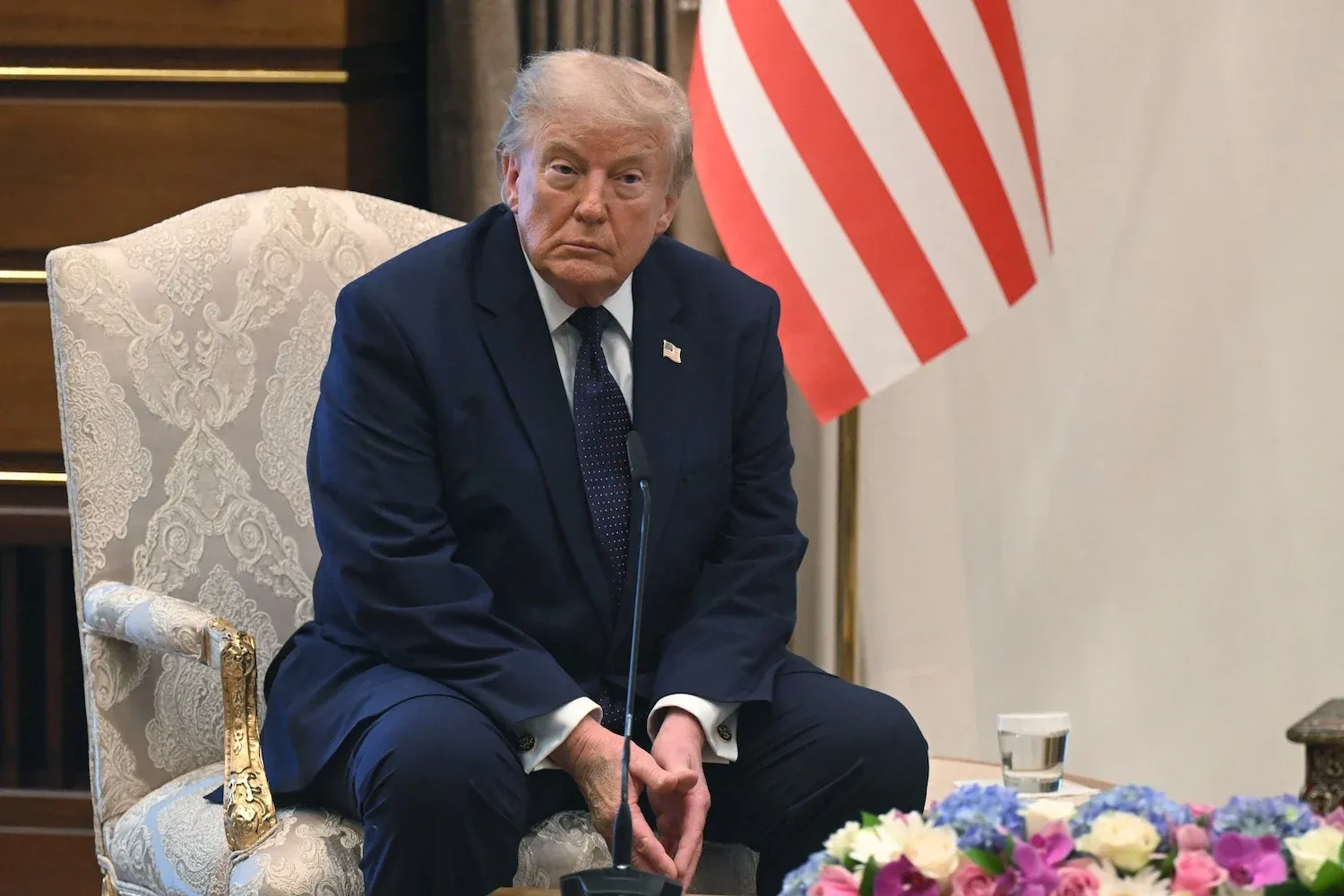
Foreign Policy reports that Trump dismissed continued U.S.-Iran peace talks as a “waste of time” while strikes resumed. For decision-makers, the shift signals higher geopolitical and operational risk, with ripple effects across sanctions-sensitive trade and supply chains.
Trump is calling continued U.S.-Iran peace talks a “waste of time” as strikes resume, according to Foreign Policy. That sentence matters because it flips the tone of the moment from negotiation-forward to action-forward. When a U.S. president frames ongoing talks as futile, it is not just rhetoric. It is a signal about how quickly policy could move from diplomacy to force, and how much patience Washington is willing to show.
The immediate payoff to the headline is straightforward: peace talks are still happening, but Trump is publicly treating them like they do not matter, while strikes are back on the table. You do not need a PhD in geopolitics to see why that is high-stakes. Strikes create uncertainty you cannot contract away. They disrupt shipping schedules, add compliance stress, and force companies to re-run the “what if” scenarios that business continuity teams dread.
This is also the kind of moment where incentives collide. Peace talks require sustained political attention, clear messaging, and time. Kinetic action, by contrast, can be initiated quickly and revised on a shorter news cycle. When leadership labels negotiations wasteful while attacks resume, it shifts internal incentives too. Agencies and departments may prioritize operational readiness and enforcement posture over problem-solving coordination. In practical terms, that can mean tighter screening at ports, more cautious trade documentation, and faster escalation paths for policy exceptions.
For executives, the regulatory angle is where the second-order effects start stacking. The U.S. Iran relationship sits in a sanctions and enforcement ecosystem. Even when firms are not directly dealing with Iranian counterparties, they often rely on stable interpretations of what is permissible, how transactions are screened, and which activities trigger compliance reviews. Strikes resuming increase the odds that enforcement becomes more conservative. That does not automatically mean everything gets shut down. It does mean legal teams may recommend delays, tighter controls, or higher verification costs, because compliance failures in sanctions-heavy contexts are existential events for companies.
Capital markets typically react to geopolitical uncertainty by repricing risk. Markets do not need perfect information to do that. They respond to the probability of disruption, the potential for broader regional spillovers, and the chance of policy whiplash. When the political signal is “talks are a waste of time” and violence resumes, the probability distribution shifts. That can affect everything from energy-related inputs to insurers and logistics firms, and it can also weigh on sectors exposed to government contracting or defense-adjacent spending.
Board dynamics matter here too. When leadership communication turns sharply negative about negotiations, it changes what boards should demand from management. Instead of only asking, “Are we compliant today?”, directors may push for “What contingency plans exist if enforcement tightens, transit routes change, or key counterparties become unavailable?” This is not about panic. It is about governance. A board that waits for clarity in the middle of a moving target ends up managing surprises rather than managing risk.
There is also a communications risk. If the U.S. signals talks are futile while strikes continue, other stakeholders are incentivized to take the worst-case path. Partners and counterparties might freeze transactions, delay decisions, or shift to alternate suppliers and routes even if they do not have direct Iran exposure. That can raise costs and create operational friction that executives often cannot unwind quickly.
For peers in similar decision-making roles, the strategic stake is simple: you are making calls under uncertainty, and the uncertainty is increasing. The Foreign Policy report frames the moment as Trump dismissing continued peace talks as “waste of time” while strikes resume. That combination is a policy posture change, not a footnote. It suggests less room for diplomatic buffering and more likelihood of kinetic escalation, which means your compliance posture, operational contingency planning, and risk communications may need to move from “monitor” to “prepare.”
This story's Key Insights and Take-aways are locked.
Create a free account to unlock Executive Actions for one credit.
Register to UnlockAlways free for Executives Club members. Join the Club
More in Politics

Glacial collapse, not rain, killed 180 in Nepal's Himalayan flood
The Himalaya's extreme geography hid the true cause of Nepal's catastrophic flood, a glacial collapse that turned a geological battleground into a mass-casualty zone.

Iran’s Esmail Baghaei says Oman talks start shipping via Hormuz, not US talks yet
Temporary route plans with Oman aim to restart commerce while Tehran says Washington dialogue is not on the table.

Standards watchdog opens probe into Reform UK deputy leader Richard Tice over interests
The parliamentary standards commissioner says it began an investigation on 28 July into a possible undeclared interest.