

Trump compares himself to predecessors in second term, signaling whom he credits and blames
A New York Times look at how Trump’s evolving narrative about other presidencies frames his own agenda and accountability.
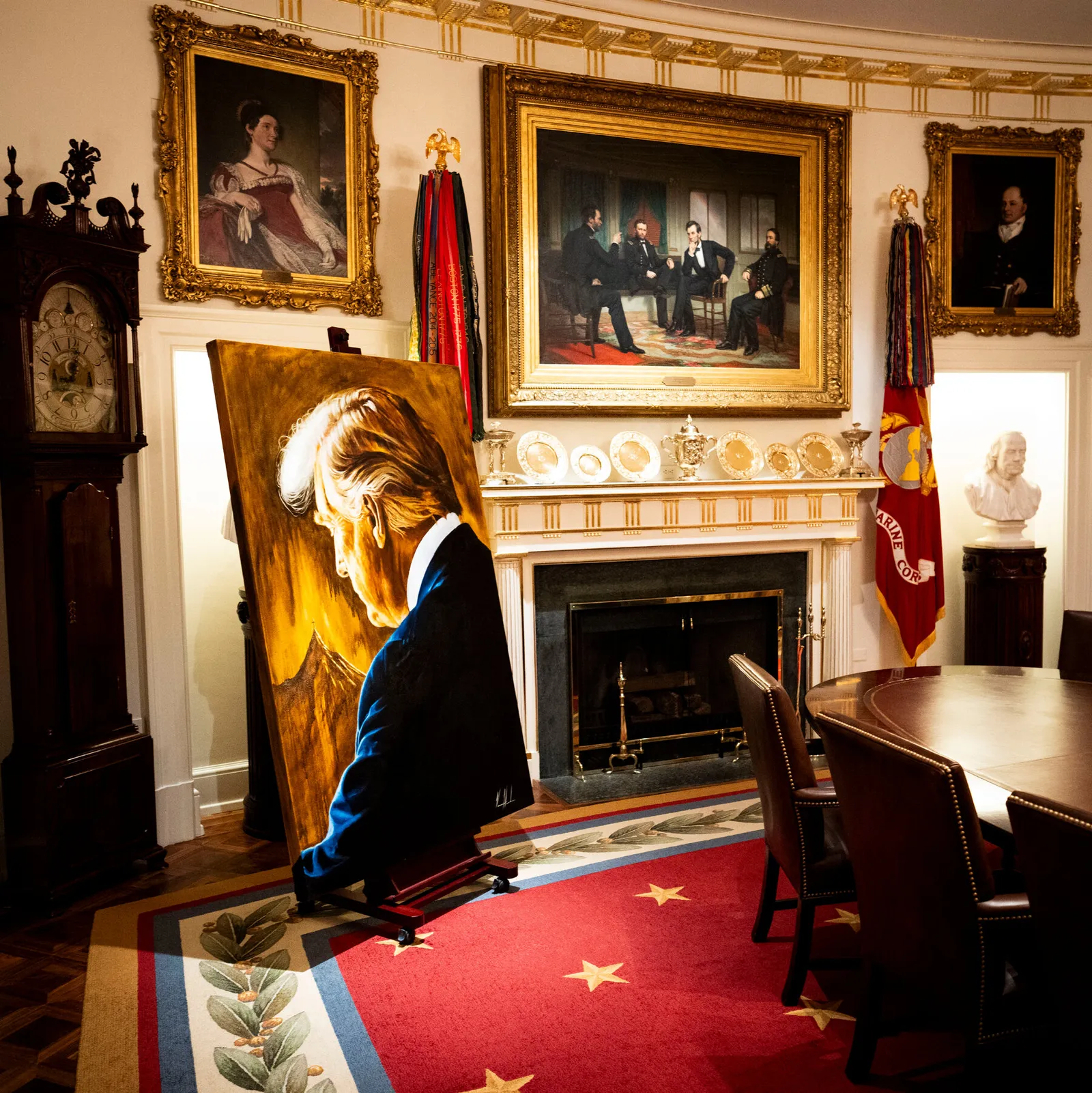
President Trump has, in his second term, increasingly mused about his predecessors, comparing himself with some and distancing from the failures of others. For decision-makers, that storytelling matters because it quietly telegraphs which past policies he is trying to avoid and which he wants to echo.
In his second term, President Trump has increasingly mused about his predecessors, comparing himself with some and distancing from the failures of others, according to The New York Times. The key move here is not just historical commentary. It is narrative positioning, a way of drawing a bright line between “my approach” and “their mistakes,” while implying that the next round of policy will align with the comparisons that benefit him.
That framing has immediate political and practical consequences. When a sitting president repeatedly calibrates how he relates to prior administrations, it becomes a roadmap for expectations inside government agencies, among lawmakers, and across institutions that must anticipate how decisions will be defended or attacked. In other words, the “stock-taking” of other presidencies is also a stock-take of accountability, and it shapes the risk calculations of everyone who has to operate under the next executive interpretation of outcomes.
To understand why this matters outside cable-news theater, look at how modern governance works. Agencies, regulators, and departments do not just execute policy. They also manage the political weather around policy. When leaders publicly connect their actions to certain past successes and away from certain past failures, they are effectively setting an explanatory template. Staffers and career administrators then inherit the burden of fitting their work into that template, because the political leadership will want continuity where it helps and a sharp break where it damages.
There is also a boardroom parallel, because boards and executives are used to reading incentives like balance sheets. In politics, incentives are not quarterly earnings, but they are still measurable in real-world terms: what gets defended, what gets reversed, and what gets scrubbed from the official record. If the president is drawing distinctions between himself and predecessors, stakeholders take that as a signal that some policy directions are more “protected” than others, even if the specific operational changes are not yet visible. This is especially relevant for industries that live at the intersection of policy and enforcement, where regulatory attention can swing with administration priorities.
Regulatory background is where this kind of presidential narrative tends to echo. In the U.S., regulators typically operate within frameworks created by laws, executive priorities, budget choices, rulemaking processes, and enforcement posture. Those choices can shift quickly when political leadership decides that a prior approach did not work, or when it wants to claim that its own approach is the corrected version. Even without brand-new laws, a president’s public comparisons can influence how aggressively agencies interpret discretion, how quickly rulemaking advances, how enforcement targets are framed, and how litigation risk is managed.
Second-order implications show up in capital allocation and contingency planning too. Companies and investors monitor not only what a government plans to do, but how it plans to explain why. If a president positions certain predecessor failures as cautionary tales, stakeholders will anticipate that similar regulatory approaches are less likely to be tolerated, or that the administration will push for stricter boundaries on enforcement or approvals. If, conversely, the president compares himself to predecessors in a way that flatters continuity, that can reassure some markets while raising concerns for others that fear renewed scrutiny.
This is why the story matters for peers in similar roles, whether those roles are political leaders, agency heads, or executives who must translate policy volatility into operational decisions. The New York Times reporting describes a pattern: in Trump’s second term, the president has increasingly mused about his predecessors, comparing himself with some and distancing from the failures of others. That pattern is a tool. It builds legitimacy by borrowing credibility from favorable comparisons and assigning blame to unfavorable ones. And once that tool is used repeatedly, it becomes part of the institutional memory that shapes how future decisions will be justified.
So the stake is not trivia about who said what about which president. The stake is the direction of the narrative and, therefore, the direction of pressure. When a president signals that he is distancing from past failures, it can tighten the tolerance for policies seen as repeating old mistakes. When he compares himself with certain presidencies, it can increase expectations that his administration will follow what those comparisons imply. For decision-makers, the practical task is to track the storyline as closely as the legislation, because in a system where explanation and accountability are political currencies, the story helps determine the next moves.
This story's Key Insights and Take-aways are locked.
Create a free account to unlock Executive Actions for one credit.
Register to UnlockAlways free for Executives Club members. Join the Club
More in Politics

Glacial collapse, not rain, killed 180 in Nepal's Himalayan flood
The Himalaya's extreme geography hid the true cause of Nepal's catastrophic flood, a glacial collapse that turned a geological battleground into a mass-casualty zone.

Iran’s Esmail Baghaei says Oman talks start shipping via Hormuz, not US talks yet
Temporary route plans with Oman aim to restart commerce while Tehran says Washington dialogue is not on the table.
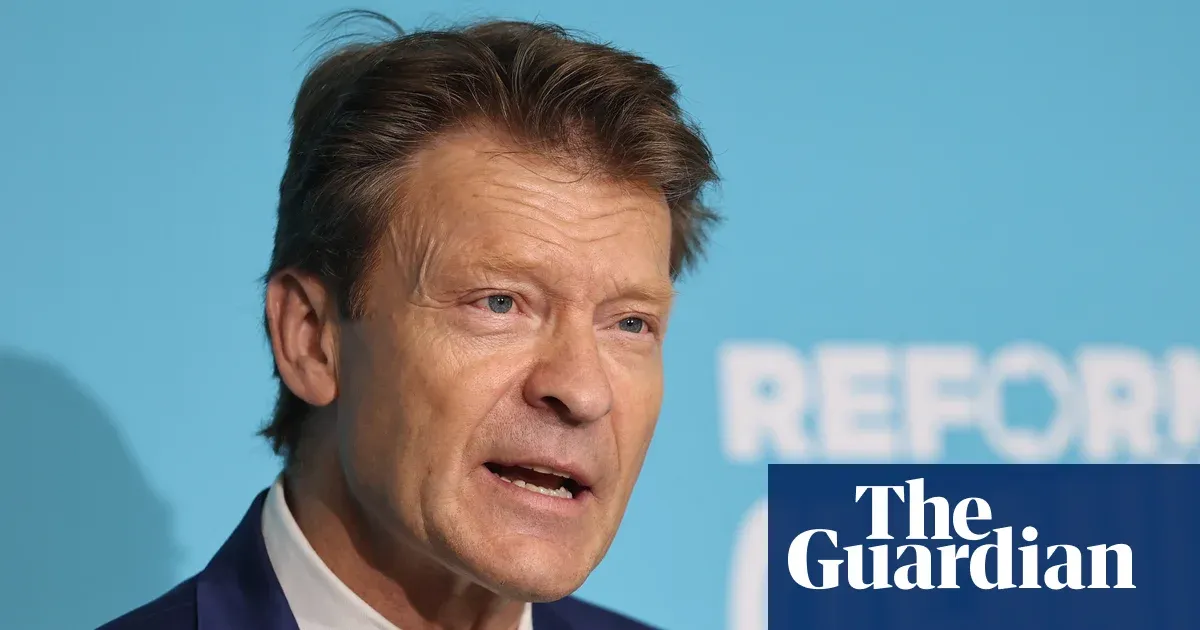
Standards watchdog opens probe into Reform UK deputy leader Richard Tice over interests
The parliamentary standards commissioner says it began an investigation on 28 July into a possible undeclared interest.