

Trump ends special protections for Cuban refugees, making them removable like other immigrants
A policy shift eliminates a longtime exemption and changes the risk calculus for refugees and the systems tasked with processing them.

The Trump administration has rendered Cuban refugees as vulnerable to removal as other immigrants by ending special treatment for them. The policy change forces decision-makers to rethink operational, legal, and reputational risk tied to refugee intake and removal processes.
The Trump administration has ended special treatment for Cuban refugees, rendering them as vulnerable to removal as other immigrants. In practical terms, this is not a symbolic tweak. It changes the baseline legal risk faced by a specific refugee group and it reshapes how the government, courts, and service providers will handle their cases.
The headline consequence is simple: the administration is treating Cuban refugees like other immigrants when it comes to vulnerability to removal. That matters because “removal” is the central fear in immigration enforcement. If you are a refugee, the system’s protections are supposed to be the difference between a future in a stable destination and the threat that you can be forced out. By erasing that special status, the policy collapses a distinct category into the same enforcement reality that affects broader immigrant populations.
To understand why this is a big deal, you have to see how immigration policy is built. In the US, categories and carve-outs drive outcomes. When the government grants a group special treatment, it can mean different thresholds for detention, different standards for eligibility, different procedural steps, or different expectations about what happens after arrival. Those differences do not just affect individual lives. They also affect the work of immigration authorities, the timing and volume of cases that flow through the system, and the kinds of legal resources that NGOs and attorneys are willing to deploy.
This is where decision-makers should pay attention. Even if your organization is not directly in charge of immigration enforcement, the removal risk affects downstream operations. Charities that coordinate housing, legal assistance, education placement, and employment support plan around stability. Courts and administrative agencies plan around case flows. Employers and community institutions plan around whether families are likely to remain and build. When a policy shifts a group into the same enforcement posture as “other immigrants,” it changes the predictability of that planning. Predictability is the currency of operations.
There is also a regulatory and political incentive angle. US immigration policy is not just law. It is a moving administrative framework shaped by executive branch priorities. The Trump administration’s move, as described in Foreign Policy’s report with the blunt conclusion that Cuban refugees are now as vulnerable to removal as other immigrants, signals a shift in the administration’s approach to how distinct immigration categories will be treated. When the executive branch narrows special protections, it can reflect a desire for uniform enforcement, or a strategy to reduce exceptions and broaden the scope of removal authority. Either way, the operational outcome is the same for impacted individuals: the special buffer is gone.
Now consider second-order implications for boards and executives in adjacent sectors. Organizations that operate in immigration-adjacent spaces, especially those doing legal aid, resettlement services, or community integration, often rely on policy stability to staff up or invest in partnerships. A sudden policy reversal can force short-notice reallocations: more legal consultations, more urgent appeals, or more support for families facing uncertainty. For boards, this is the type of change that can affect both budgets and risk profiles, even if revenue is not directly tied to refugee intake.
It also has a reputational dimension. When special protections end for a historically distinct group, public scrutiny tends to spike. That matters to institutions that depend on public trust. Donors, volunteers, and employees all respond to perceived fairness and consistency in enforcement. The more a policy change reads as removing an exemption rather than refining a process, the more likely stakeholders will treat it as a value signal.
Strategically, peers should take the same lesson and apply it beyond this one group. Immigration categories can change quickly, and when they do, the system tends to route people through more standardized enforcement pathways. For executives and board members overseeing programs that rely on government stability, the core stake is operational: plan for volatility, tighten scenario planning, and make sure compliance and legal readiness can flex when a category’s risk level changes. For Cuban refugees, the policy answer is already delivered: special treatment is no more, and removal vulnerability is now on par with other immigrants.
This story's Key Insights and Take-aways are locked.
Create a free account to unlock Executive Actions for one credit.
Register to UnlockAlways free for Executives Club members. Join the Club
More in Politics
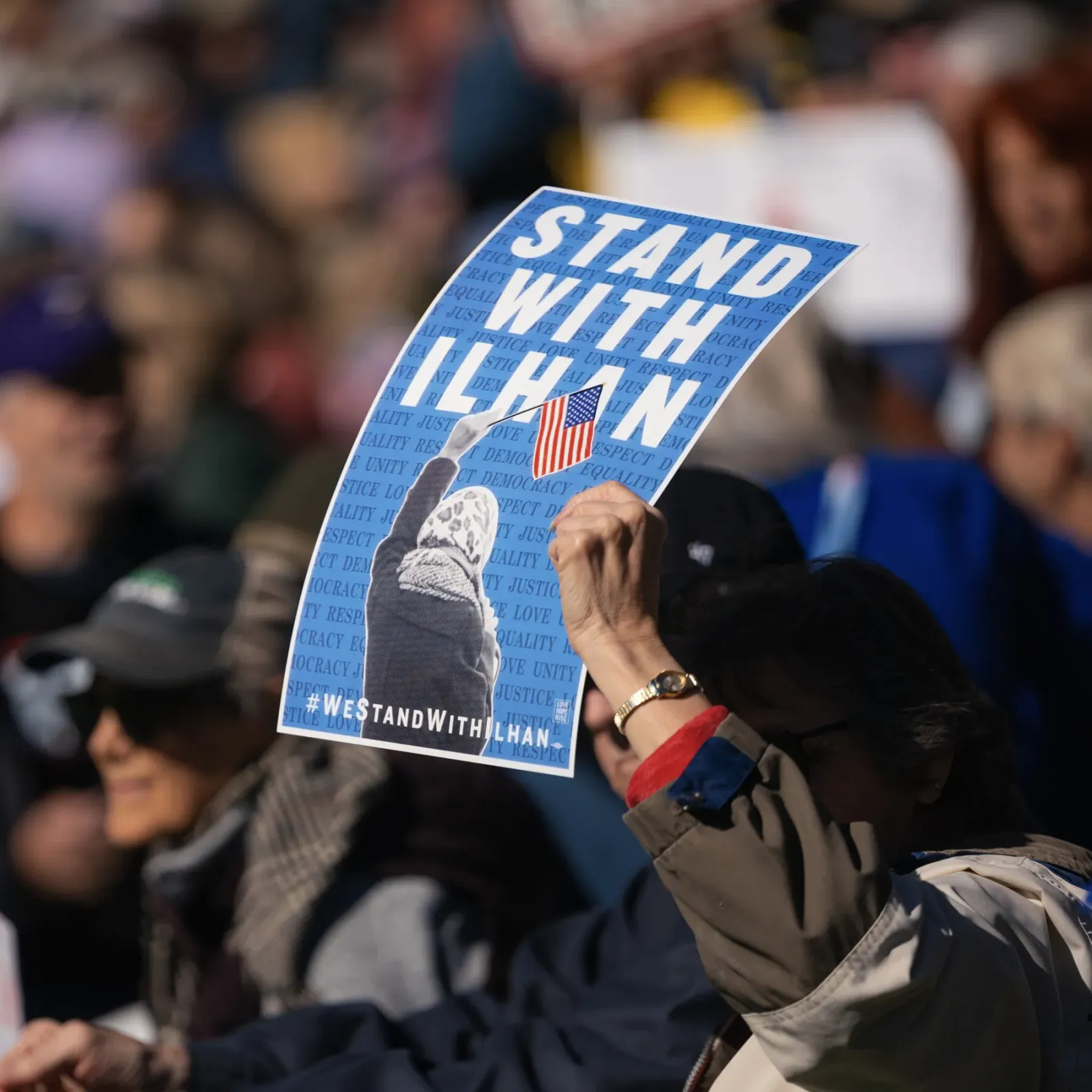
Obama Defends Ilhan Omar After Agents Search Her Home in Trump Inquiry
The former president's intervention raises the stakes in a federal probe into immigration paperwork that has put a prominent progressive lawmaker in the crosshairs.

Blair-era minister: cut welfare to fund youth job support
Alan Milburn's call for welfare cuts to fund employment support opens a Labour fight over benefits and the Neet crisis.
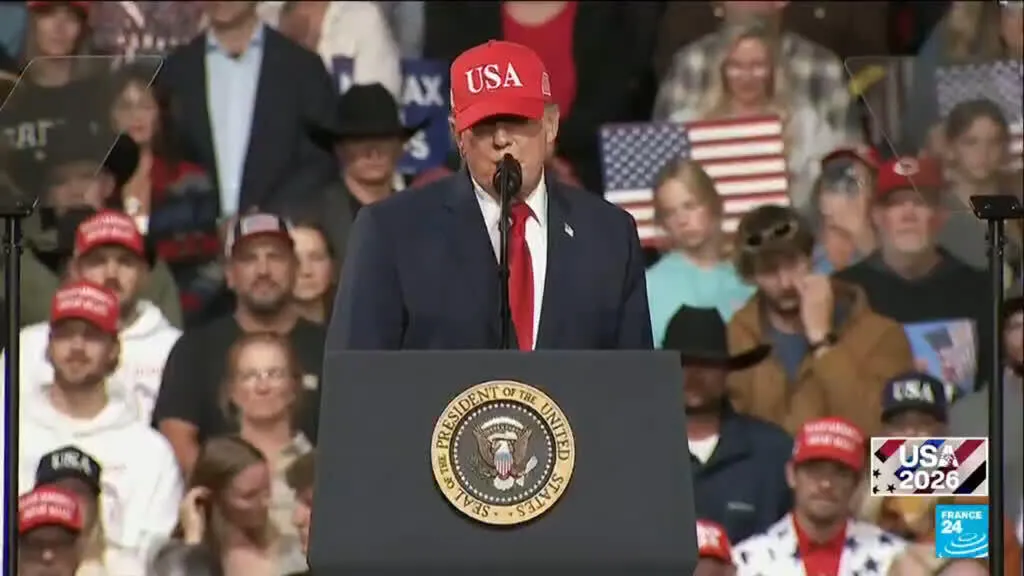
Hot September CPI: energy costs surge, voters feel the squeeze before midterms
The latest inflation print lands as Trump campaigns for GOP control of Congress, putting cost-of-living worries at the center of the midterm fight.