
Trump exempts 20 more polluting plants from clean-air limits in new proclamation
A Trump proclamation shields 20 additional facilities from a toxic-chemicals rule, reviving the fight over cancer risk near plants.
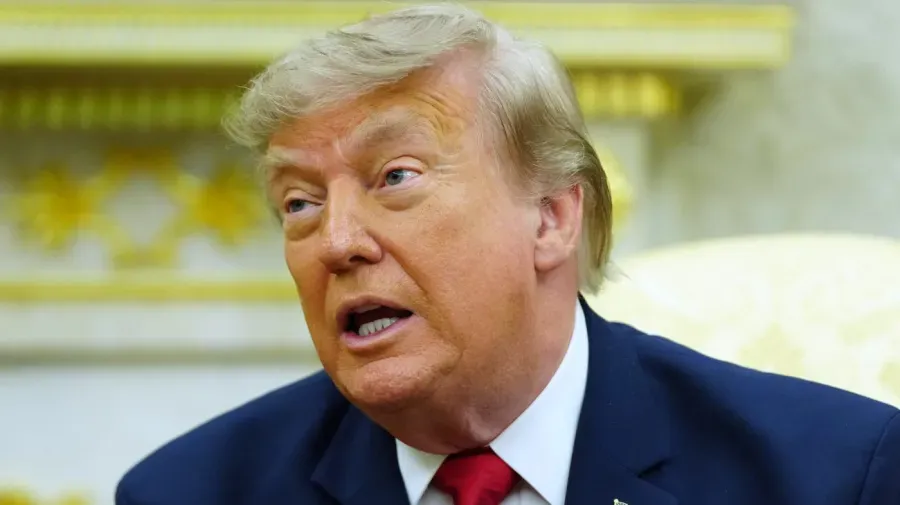
President Trump signed a proclamation exempting 20 more polluting facilities from a Biden-era clean air regulation aimed at toxic chemicals. The move is drawing condemnation from environmental advocates and changes compliance expectations for operators in the affected footprint.
President Trump announced this week that he was exempting 20 more polluting facilities from Biden-era clean air regulations, and environmental advocates are firing back. The action came via Trump’s proclamation, which carves these facilities out from a rule that seeks to rein in toxic chemicals.
Why should decision-makers care? Because the original Biden-era framing of the regulation was not abstract. When the rule was put forward, the Biden administration said it would curb cancer cases within 31 miles of some 200 facilities. That is the kind of metric regulators use to justify compliance costs and operational restrictions, and it also becomes the yardstick for political battles. By exempting additional plants, Trump is effectively renegotiating how much risk is deemed acceptable, and where compliance pressure will land.
To understand the stakes, you have to look at what these “exemptions” do in practice. Clean-air rules targeting toxic chemicals typically translate into real-world constraints: what can be emitted, how facilities monitor discharges, what mitigation plans must be maintained, and how operators document compliance. Even when companies can technically keep operating, fewer restrictions often mean fewer changes to systems, fewer add-on controls, and less paperwork that can slow down expansions, upgrades, or maintenance schedules.
This is also about regulatory timing, not just outcomes. A rule that targets toxic chemicals and links it to health impacts within a specific geographic radius creates a political narrative that is easy to mobilize. Environmental advocates can point to cancer-risk claims and demand that regulators enforce the rule. Opponents can argue that exemptions reduce burdens on industry. When administrations switch or recalibrate priorities, exemptions become the visible mechanism of that change.
The Hill report makes clear that Trump’s proclamation exempts 20 more polluting facilities from a rule seeking to rein in toxic chemicals. That matters because the affected universe likely overlaps with facilities that already operate under complex permitting and compliance structures. If a facility is exempted, it may change what regulators expect during inspections and what companies need to prepare for. For boards and executive teams, that can shift both operational plans and risk models. It can also alter how companies think about capital allocation, because compliance upgrades and environmental control investments often compete with other priorities like capacity, efficiency, or cost reduction.
There is a second-order effect here that corporate leadership teams should not ignore: exemptions can ripple through investor expectations and peer behavior. When a government signals that certain facilities can escape parts of a rule, other operators often reassess whether they are likely to receive similar treatment, and how quickly. Even companies that are not directly mentioned in an exemption may update their assumptions about the durability of existing regulatory obligations. That feeds into longer-term decisions such as whether to accelerate or delay environmental control projects, how aggressively to pursue permitted expansions, and how to structure internal compliance budgets.
Meanwhile, environmental advocates are condemning the move, which means the story is unlikely to stay purely regulatory. Public pressure can push lawsuits, agency challenges, and continued political attention. That creates a governance problem for executives: even if exemptions reduce near-term compliance burdens, they can increase reputational volatility and legal uncertainty. Boards tend to prefer outcomes that are both predictable and defensible. A shifting regulatory posture can make it harder to claim predictability.
The Biden administration’s earlier stance provides the counterweight. When the rule was introduced, the administration said it would curb cancer cases within 31 miles of some 200 facilities. That specific geographic and numeric framing can become a central point in future policy disputes. It can also shape how regulators define their next steps, whether by revisiting coverage, tightening standards elsewhere, or adjusting how “risk” is calculated and where exemptions are drawn.
For executives in regulated industries, the core strategic stake is straightforward: who bears the burden, and how stable is the burden over time. Trump’s proclamation exempts 20 additional facilities from a toxic-chemicals clean air regulation. That reduces compliance pressure for the named facilities, but it also re-sets the battlefield for everyone watching, from investors and lenders to peer operators and environmental compliance teams. The next question is not whether regulation changes, it is how quickly and how broadly, and whether companies plan for a world where the rules can move with each administration.
This story's Key Insights and Take-aways are locked.
Create a free account to unlock Executive Actions for one credit.
Register to UnlockAlways free for Executives Club members. Join the Club
More in Politics
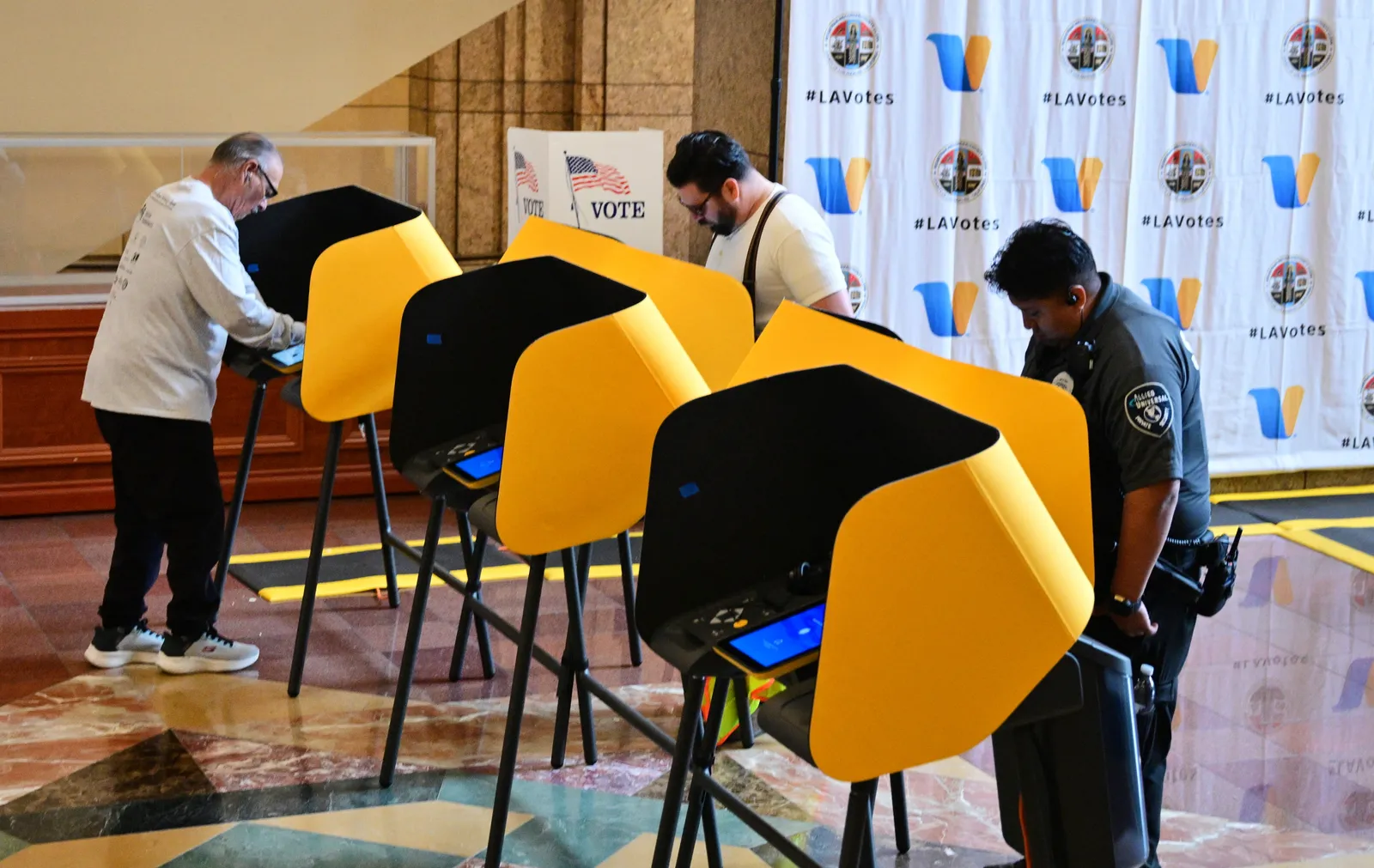
LA County: DOJ's 20,000 'noncitizen' voter list is 'unreliable,' includes U.S.-born
Preliminary review by Los Angeles County election officials finds errors in the federal list, raising the stakes for voter roll integrity ahead of November.
Trump's $1.5B Pentagon chip investment lands in North Carolina
A $1.5 billion defense infusion for North Carolina chipmaking signals a new era of Pentagon-backed reshoring - here's what it means for the industry.
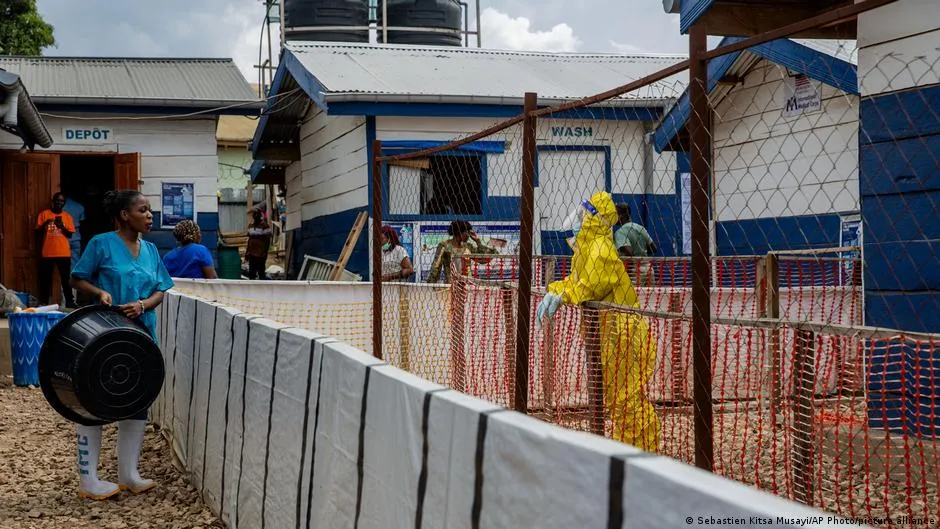
Nigeria confirms first Ebola case in Abuja, a woman just off a Uganda flight
Health Minister Muhammad Ali Pate says the patient flew in from Uganda, putting Africa's latest outbreak on Nigeria's doorstep.