

Trump orders 170 strikes in 48 hours, calling the Iran deal “over” at NATO
A renewed bombing phase follows Trump’s “evil, sick people” rhetoric, with Iran signaling leverage and a longer game.

Donald Trump used remarks at the NATO summit in Ankara to declare the US-Iran memorandum of understanding “over” and warn of renewed military action, while the US military says it struck 170 Iranian targets in 48 hours. For decision-makers, the consequence is a shift from a prior pause to a sustained escalation path that can reshape risk across regional energy, logistics, and sanctions expectations.
Donald Trump is pushing a second day of renewed bombing Iran, and the US military says it has already struck 170 Iranian targets in the past 48 hours. That matters because this is not simply “more airstrikes.” It is a reset of the rhythm: after a ceasefire and a hiatus, the campaign is back on, and the stated US position is that the diplomatic framework is effectively finished.
The political signal came loud and early. Speaking at the NATO summit in Ankara this week, Trump said he believed the US-Iran memorandum of understanding was “over.” He also described Iran’s leaders as “evil, sick people,” threatened renewed military action and even a new blockade of Iranian ports, and still left a door open to negotiations. In other words, the message is simultaneously escalation and negotiation. If you are an executive trying to map risk, that dual-track posture is often where uncertainty becomes a strategic cost.
The first-order story is the obvious one: bombing resumes. But the deeper question, and the one Sina Toossi’s framing nudges readers to ask, is whether the US is fighting the same “game” it was previously playing. The source’s central point is that Trump is behaving as if the battleground is the same, but it is not. In this view, Iran has leverage, knows it, and therefore can respond in ways that make a short, clean outcome less likely. That changes how you think about timelines. It also changes how you think about second-order damage, like shipping reroutes, insurance pricing, and the operational costs of contingency planning.
There is a regulatory and compliance angle too, even if the story is military. When political leaders threaten things like a blockade of Iranian ports, that does not stay in the headlines. It feeds directly into the risk model that governs how companies treat trade, counterparties, and logistics routes. Over time, these threats can harden into expectations that regulators, export-control agencies, and sanctions administrators will treat certain transactions and facilitations as higher-risk or more scrutinized. Even when firms are not directly trading with Iran, they often rely on global supply chains that can be affected by disruption, shipping delays, and changing enforcement priorities.
Now add the negotiation ambiguity Trump is publicly keeping alive. He said the memorandum of understanding is “over,” yet he also left the door open to further negotiations. That might sound contradictory, but it is a recognizable political tactic: it raises pressure while maintaining plausibility for talks. For boards and executives, the operational implication is that scenario planning cannot assume the “pause” returns. Instead, you plan for continued escalation plus intermittent diplomatic noise, because both can coexist. The US military’s “170 Iranian targets in the past 48 hours” claim also underscores the intensity and cadence, which tends to reduce the window for calm market behavior.
Iran, for its part, is not described here as surprised or cornered. The source explicitly argues that Iran has leverage and knows it. That is a reminder that escalation is not a one-way variable. In a leveraged posture, the party under pressure can choose responses that avoid the direct objective while still imposing costs. In practical terms, that can mean attacks, interference, or other forms of retaliation that are not limited to the locations where strikes happen. When the US announces targets, it tells its own story. But it does not fully control the second-order story that follows.
There is also coalition and alliance complexity. Trump’s comments were made at a NATO summit in Ankara, a choice that signals the argument is not only bilateral with Iran. It is also multilateral, aimed at partners who may have different risk tolerances and operational constraints. Allies can be supportive of deterrence while still wanting guardrails around escalation. That dynamic is precisely where governance inside large companies can start to mirror geopolitics: leadership wants clarity, but the environment is built for volatility.
Finally, this is where the strategic stakes widen beyond the Middle East. When bombing resumes at this scale and political leaders talk about port blockades, the effects show up in energy markets, shipping and insurance, government contract risk, and enterprise compliance planning. For decision-makers in finance, supply chain, and risk roles, the key takeaway is not “watch the news.” It is to treat renewed military phases as inputs into enterprise risk management: revise stress tests, revisit contingency suppliers, and tighten controls around cross-border counterparties and logistics choices. If the battleground is changing, your strategy has to change with it.
This story's Key Insights and Take-aways are locked.
Create a free account to unlock Executive Actions for one credit.
Register to UnlockAlways free for Executives Club members. Join the Club
More in Politics
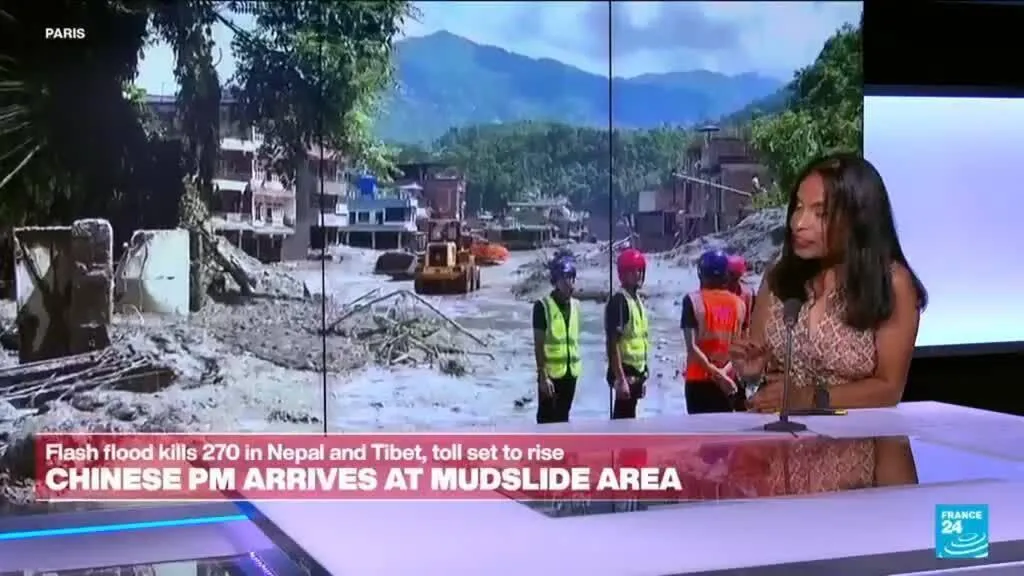
Glacial collapse, not rain, killed 180 in Nepal's Himalayan flood
The Himalaya's extreme geography hid the true cause of Nepal's catastrophic flood, a glacial collapse that turned a geological battleground into a mass-casualty zone.
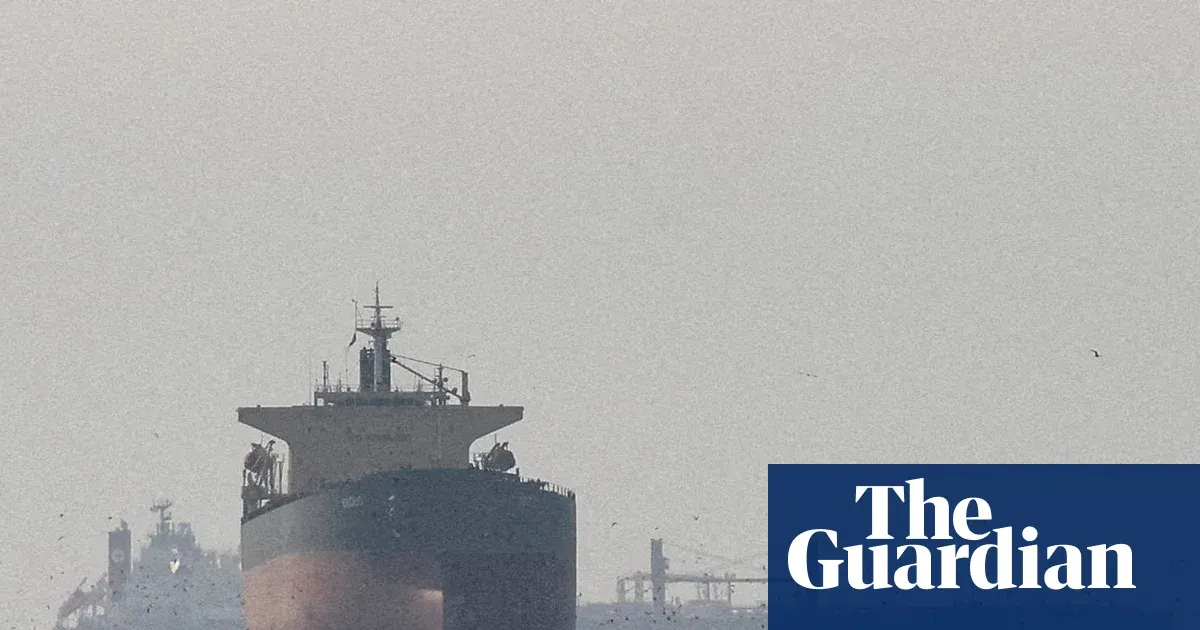
Iran’s Esmail Baghaei says Oman talks start shipping via Hormuz, not US talks yet
Temporary route plans with Oman aim to restart commerce while Tehran says Washington dialogue is not on the table.
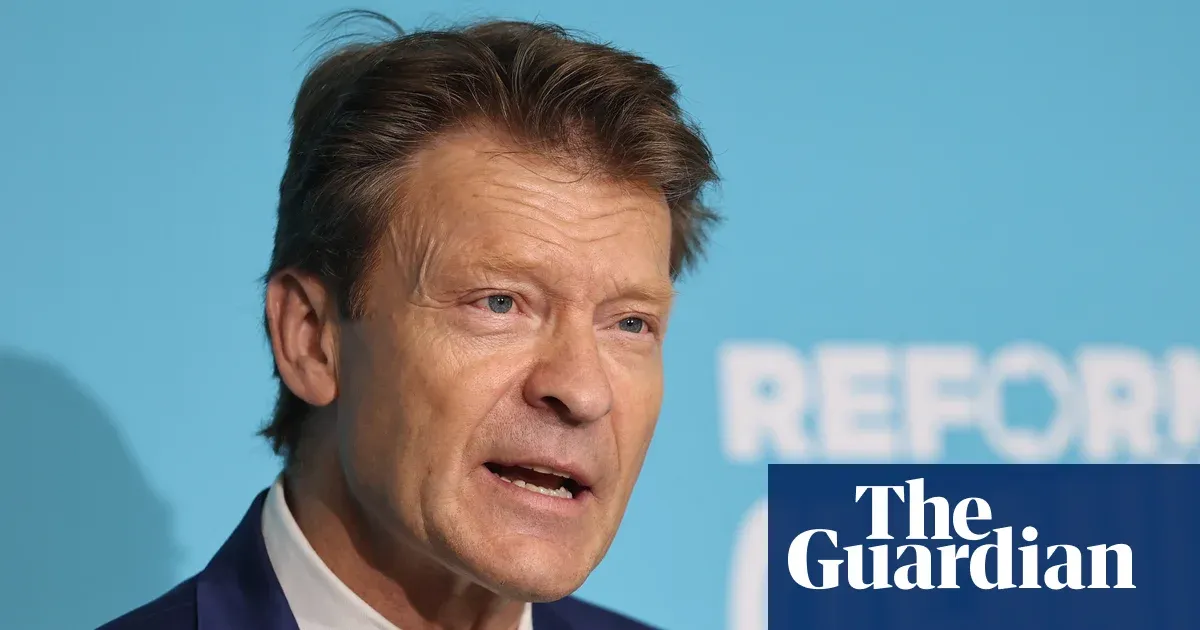
Standards watchdog opens probe into Reform UK deputy leader Richard Tice over interests
The parliamentary standards commissioner says it began an investigation on 28 July into a possible undeclared interest.