

Trump orders Air Force One pulled from service to be “maxed out”
A Qatari-donated plane faced scrutiny over defensive capabilities. Trump says it is now going back for upgrades.
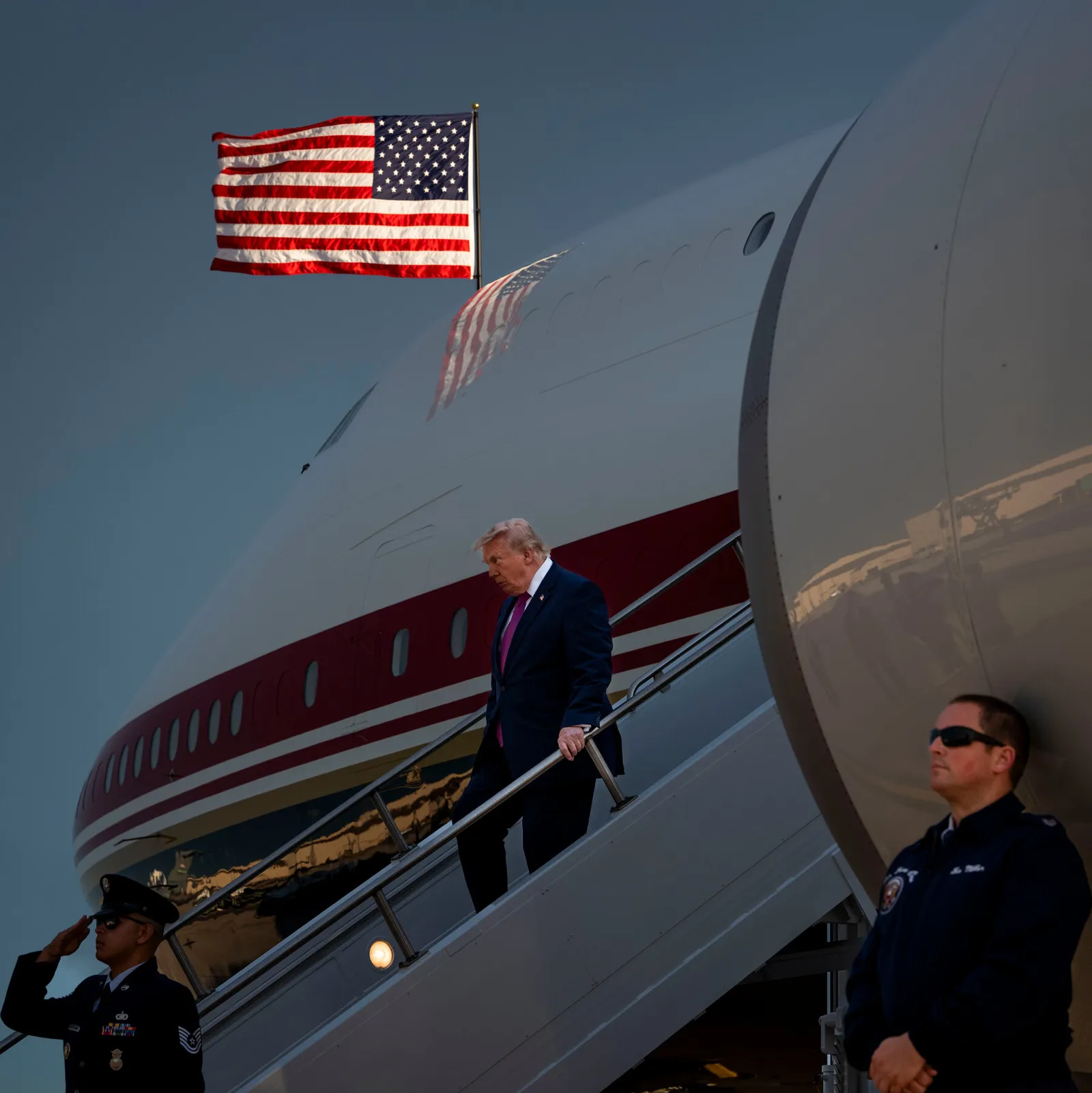
Donald Trump says a Qatari-donated Air Force One will be taken out of service and modified to be “maxed out.” The consequence for decision-makers is a renewed focus on whether presidential aviation security meets the standard expected for U.S. leaders and their passengers.
Donald Trump says the new Air Force One, a plane that has been donated by Qatar, will be taken out of service to be “maxed out.” The move is aimed at addressing a specific worry that has been circulating: whether the aircraft is fitted with sufficient defensive capabilities to adequately protect a U.S. president and others traveling on it.
That framing matters because the scrutiny was not about comfort or cosmetics. It was about survivability. In other words, the question on the table was whether the plane’s defensive suite is robust enough for the reality of modern threat environments and for the heightened protection expectations that come with carrying the president. Trump’s order, at least as described in the report, is a direct attempt to close that gap by removing the aircraft from active use long enough to upgrade it.
For executives and board members who operate in heavily regulated, high-stakes environments, this is a familiar pattern. Security and compliance questions rarely live only in the lab or the procurement file. They become public narratives, then operational constraints. Once a defensive capability is challenged, even implicitly, decision-makers face a tradeoff between speed and certainty. Keep an aircraft flying while doubts hang around, and you risk reputational and political fallout. Ground it to upgrade, and you create a different kind of risk: timelines, logistics, and continuity of operations.
The mention of a Qatari-donated plane also pulls in another layer of complexity. Gifts and donations between governments can come with different expectations than standard acquisitions. Even if the technical specs ultimately satisfy U.S. requirements, scrutiny can still reframe the story as a matter of national security judgment. That is the kind of narrative that turns engineering work into a headline cycle, and headlines, in turn, can change how fast and how far institutions feel compelled to act.
There is also the second-order issue for anyone watching U.S. defense and aviation procurement: the “defensive capabilities” question is not one-dimensional. Upgrading a platform is often not just adding hardware. It can involve integration with broader systems, training, maintenance planning, and operational readiness checks. Even without new details in the source, the underlying implication is clear: taking the aircraft out of service signals that the baseline configuration is not being treated as “good enough” for the mission as currently understood.
Politically, the phrase “maxed out” reads like a signal to both domestic audiences and institutional stakeholders. Whether the upgrades are incremental or sweeping, the message is that the aircraft should reach the highest level of protective capability available within the program. That is likely to raise expectations across other security-sensitive assets too, because once the bar is framed in public terms, it becomes harder for any adjacent platform to justify staying at the same level.
For decision-makers in related sectors, the strategic stakes are practical. When a high-profile asset is grounded for capability upgrades, it can change procurement timelines, contractor schedules, and readiness planning. It can also influence how internal reviews are conducted, because leaders do not want to be the person who greenlit an “acceptable” configuration that later gets characterized as insufficient. In environments where credibility is a currency, a grounded fleet is not just a logistics event. It is a governance event.
Ultimately, the story is about trust in presidential protection. The report points to earlier scrutiny over whether the Qatari-donated plane is fitted with enough defensive capabilities to protect the president and other travelers. Trump’s stated plan to take the aircraft out of service and “max it out” is the response to that challenge. The real question for everyone watching is what standard this sets for future assessments of presidential platforms, and whether the scrutiny that led to this grounding becomes a template for how security sufficiency is judged across the rest of the government’s most sensitive assets.
This story's Key Insights and Take-aways are locked.
Create a free account to unlock Executive Actions for one credit.
Register to UnlockAlways free for Executives Club members. Join the Club
More in Politics
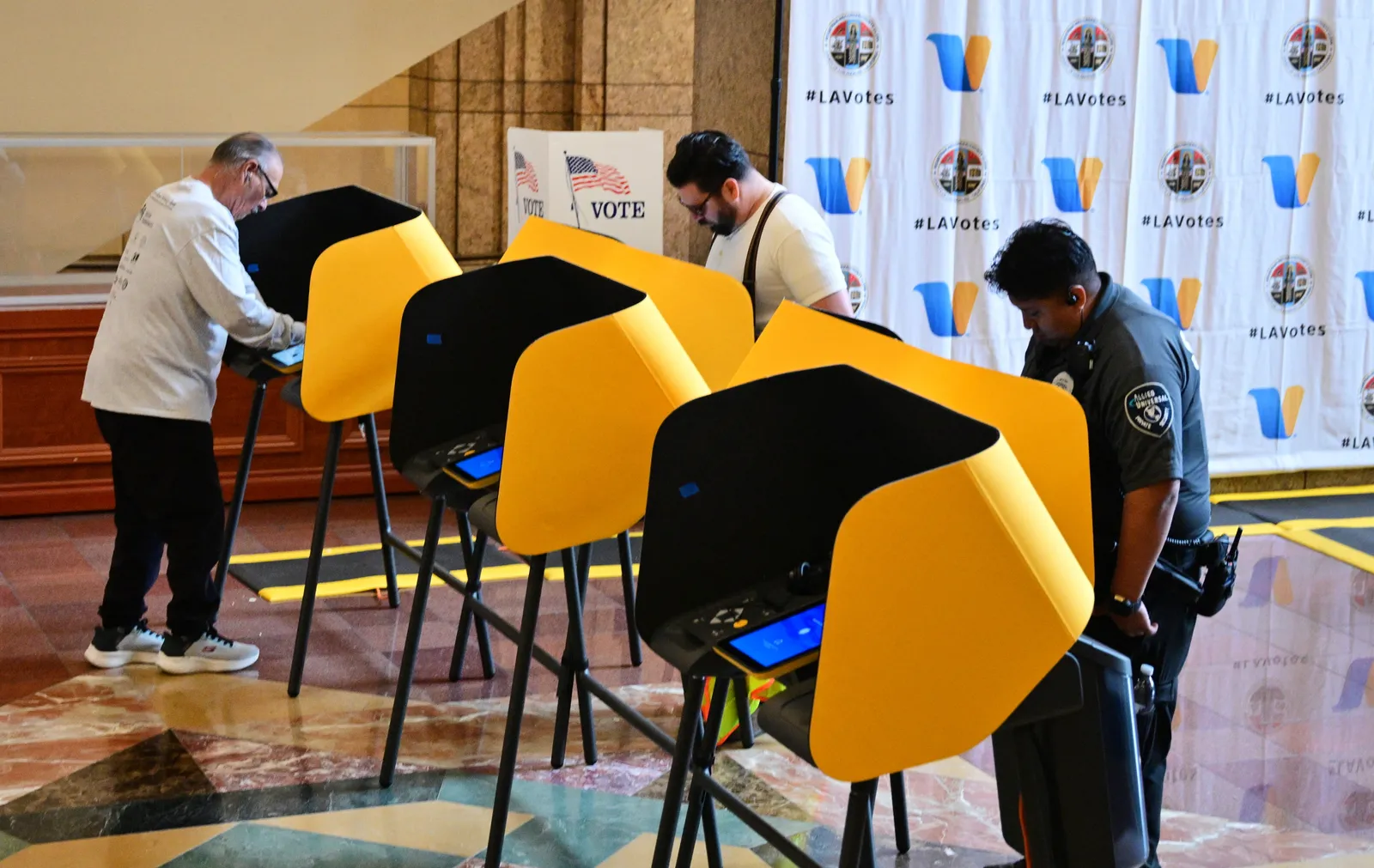
LA County: DOJ's 20,000 'noncitizen' voter list is 'unreliable,' includes U.S.-born
Preliminary review by Los Angeles County election officials finds errors in the federal list, raising the stakes for voter roll integrity ahead of November.
Trump's $1.5B Pentagon chip investment lands in North Carolina
A $1.5 billion defense infusion for North Carolina chipmaking signals a new era of Pentagon-backed reshoring - here's what it means for the industry.
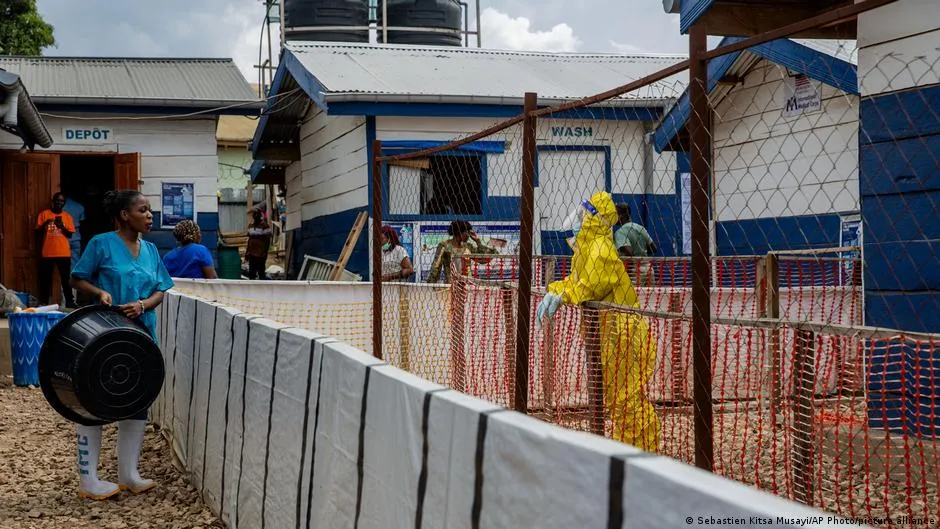
Nigeria confirms first Ebola case in Abuja, a woman just off a Uganda flight
Health Minister Muhammad Ali Pate says the patient flew in from Uganda, putting Africa's latest outbreak on Nigeria's doorstep.