

Trump reshapes NATO unity, delivering a mixed bag for allies and markets
What looked like a unified front got complicated fast when Trump entered the room.
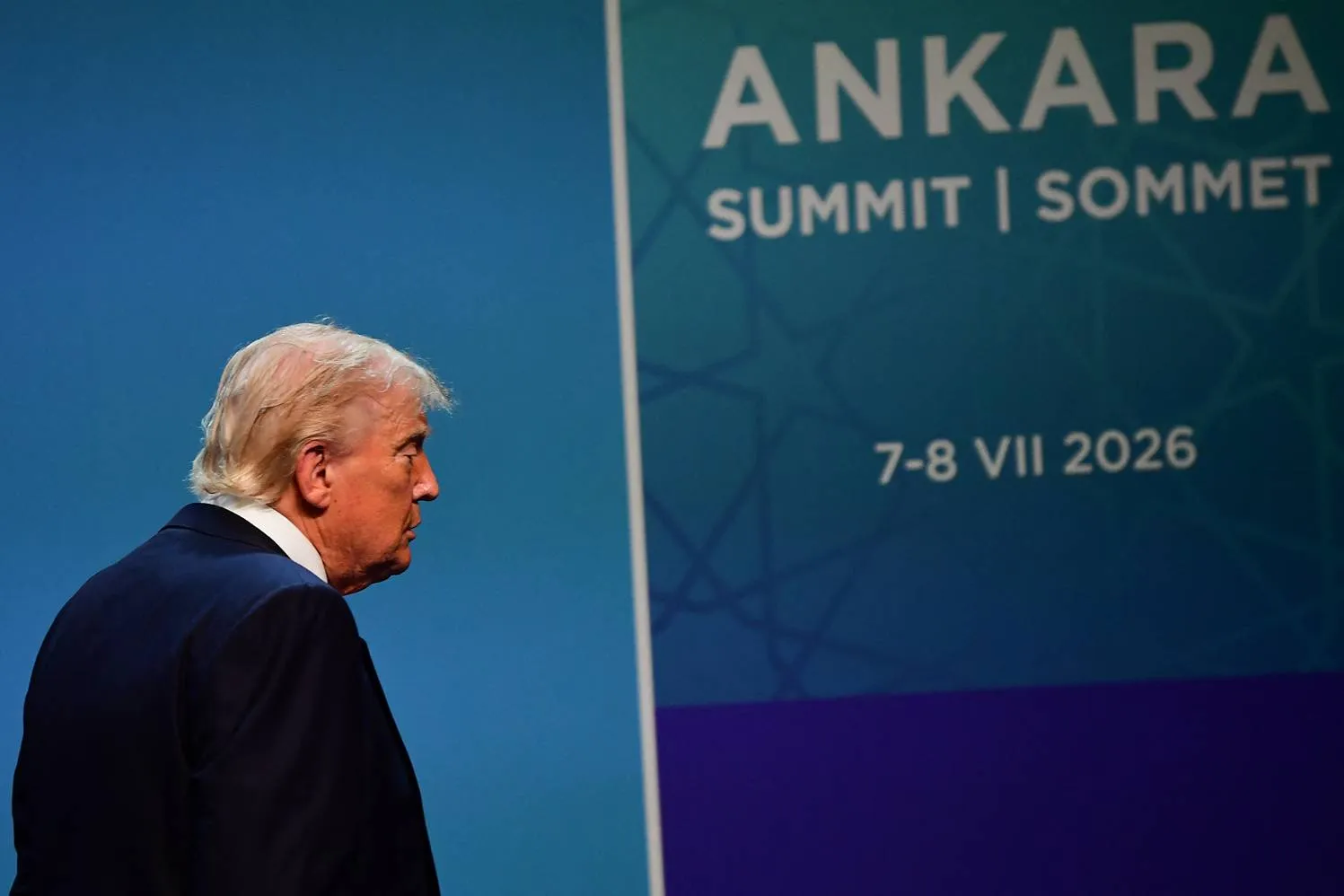
In Foreign Policy’s framing, NATO wanted to look united, and Trump walked in. The consequence is a less predictable alliance posture, which matters to decision-makers tracking security commitments and political risk.
NATO wanted to look united. Then Trump walked in, and the alliance’s messaging problem became real-time. In the immediate sense, the goal was simple: present cohesion to deter adversaries, reassure partners, and keep internal bargaining from spilling into public view. In the broader sense, however, unity is not just a communications choice. It is the currency that allies trade in when they coordinate spending, deploy capabilities, and signal political will.
That is why Foreign Policy’s blunt setup matters. The alliance wanted to look united, but Trump’s arrival changed the atmosphere around that objective. When a major political actor enters the conversation, the “unified front” can shift from being a stable baseline to being a contested performance. And when cohesion becomes contested, everyone watching has to recalibrate what NATO can reliably deliver.
For executives, the first-order story may sound geopolitical and far away. But the second-order effects can move faster than people think. Markets and boards tend to react not only to what is announced, but to whether commitments feel durable. Alliance unity reduces uncertainty. It makes planning easier for governments and for companies whose operations depend on steady policy and predictable defense spending. When unity looks shaky, risk premia rise, procurement timelines get questioned, and cross-border planning becomes more conservative.
There is also a governance angle. NATO is an alliance built on coordination. Coordination is hard when domestic politics in one member spill into alliance-level dynamics. Even if the formal mechanics remain intact, perceptions can influence bargaining power. If one side appears less willing or more conditional, other members may respond by tightening their own positions, accelerating some internal processes, or seeking guarantees outside the alliance framework. None of that requires a dramatic rupture. It can happen through incremental shifts in tone and leverage, sparked by a high-salience political moment.
That leads to the capital markets version of the same logic. Executives who track sovereign behavior know that “political risk” is often the sum of many smaller judgments: Will spending commitments survive elections? Will timelines hold? Will allied coordination stay cooperative or become transactional? A room where the alliance is trying to project unity, and where Trump’s presence alters expectations, feeds those questions. Investors do not need a single new policy to price risk. They just need a plausible path where commitments become less consistent.
The regulatory backdrop is different across sectors, but the structure of incentives is similar. Defense-adjacent industries depend on government purchasing, contracting rules, and budgeting cycles. When political signaling becomes less predictable, contracting decisions can become more risk-averse. Companies may hedge with diversified supply chains or prioritize contract structures with clearer terms. Procurement authorities, too, may adjust how they award and monitor deals when political visibility rises.
Even beyond defense, alliance posture can affect energy routes, infrastructure security, and broader contingency planning. Companies that manage logistics, cyber risk, or cross-border operations do not just ask whether conflict happens. They ask whether the systems that reduce friction remain stable. Unity messaging in NATO is part of the stability signal. When that signal gets complicated, internal and external stakeholders adjust their planning assumptions.
So what is the strategic stake for decision-makers? Foreign Policy’s line is short, but the implication is sharp: NATO’s desire for unity faced an intrusion from a figure whose presence can change the tone of the moment. For leaders at companies and institutions that must plan under uncertainty, the lesson is to treat alliance cohesion as an input variable, not a given. If your counterparties are governments and state-linked bodies, alliance dynamics can surface as procurement shifts, timeline changes, and policy risk adjustments. In other words, this “mixed bag” is not just about how NATO looks. It is about how other actors decide what NATO will actually do next.
This story's Key Insights and Take-aways are locked.
Create a free account to unlock Executive Actions for one credit.
Register to UnlockAlways free for Executives Club members. Join the Club
More in Politics

Glacial collapse, not rain, killed 180 in Nepal's Himalayan flood
The Himalaya's extreme geography hid the true cause of Nepal's catastrophic flood, a glacial collapse that turned a geological battleground into a mass-casualty zone.

Iran’s Esmail Baghaei says Oman talks start shipping via Hormuz, not US talks yet
Temporary route plans with Oman aim to restart commerce while Tehran says Washington dialogue is not on the table.
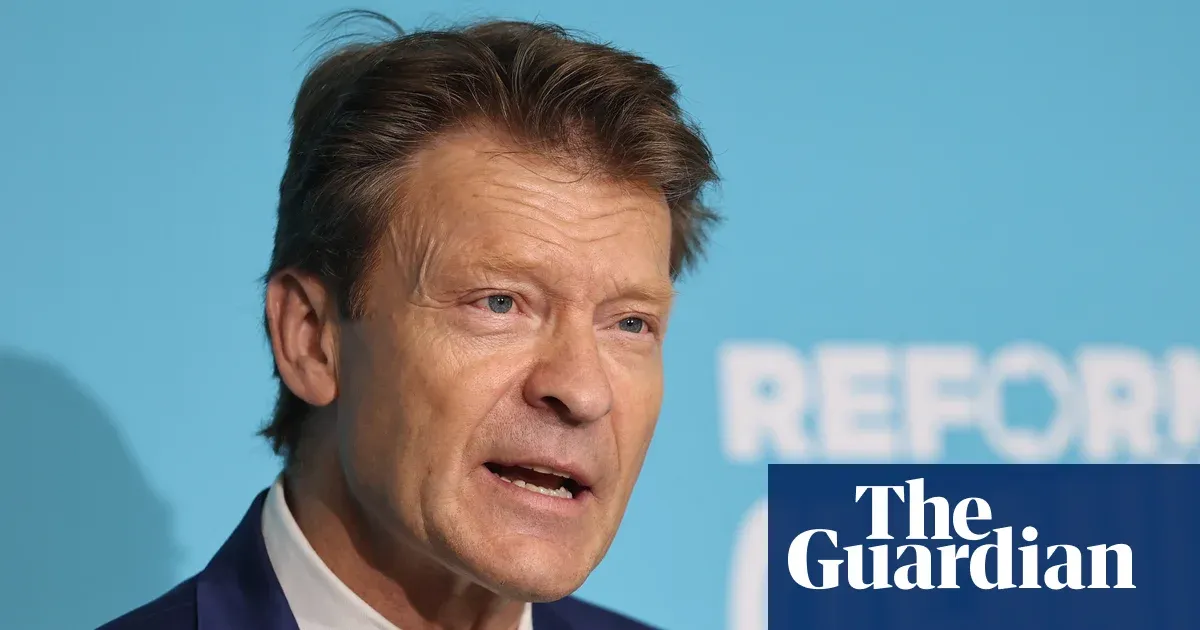
Standards watchdog opens probe into Reform UK deputy leader Richard Tice over interests
The parliamentary standards commissioner says it began an investigation on 28 July into a possible undeclared interest.