
Trump’s Cuba pressure rises as Havana lands in the administration’s crosshairs
Foreign Policy reports the Havana regime is increasingly in Trump’s sights, sharpening the stakes for sanctions, risk, and markets.

Foreign Policy reports that the regime in Havana is increasingly in the Trump administration’s crosshairs. For decision-makers, that means renewed uncertainty around Cuba-related policy, compliance, and exposure.
Foreign Policy frames the moment plainly: the regime in Havana is increasingly in the Trump administration’s crosshairs. That matters because U.S. Cuba policy has never been a “set it and forget it” category. It is a moving target shaped by executive priorities, congressional constraints, and a web of licensing rules that can change the practical economics of everything from shipping and payments to tourism and remote services.
In other words, the headline is not about symbolism. When an administration escalates focus on Havana, it can quickly translate into heightened regulatory attention and tighter interpretation of existing rules. That is the immediate consequence decision-makers can feel even before any new announcement lands. Compliance teams do not wait for headlines to update policies. They start planning for the possibility that Cuba risk will move from “manageable” to “needs escalation,” and that review cycles, documentation, and transaction screening can get heavier.
To understand why this kind of shift lands with force, you have to know how U.S. sanctions and embargo-related frameworks usually behave. Even when the formal legal architecture does not dramatically change overnight, enforcement posture and licensing practice can. Agencies may apply heightened scrutiny to activities they previously tolerated, require more documentation, or narrow what qualifies for specific authorizations. For companies operating across payments, logistics, telecommunications, or financial services, the impact is often less about a single catastrophic rule and more about friction that compounds: longer approvals, more rejected transactions, increased legal review, and higher compliance costs. Those are real margin hits.
There is also a second layer: counterpart behavior. When U.S. policy attention intensifies, banks, insurers, and counterparties typically become conservative first and decisive later. They may pause certain categories of Cuba-adjacent business or demand additional assurances from vendors. That can ripple through supply chains and customer contracts. Even if a firm is not directly “doing business with Cuba,” it can still be affected by how counterparties interpret risk, structure transactions, or decide what they will not touch.
For boards and senior leadership, Cuba-focused pressure is rarely an isolated issue. It tends to cluster with broader geopolitical risk. If Havana is in the administration’s crosshairs, investors will often assume related pressure could spill into other areas of U.S. policy enforcement and international negotiating posture. That can influence underwriting assumptions, risk committee dashboards, and how management frames exposure in earnings calls and internal memos. The key problem is not just that policy can change. It is that policy change is difficult to price until it is already happening.
In a world where markets reward clarity, uncertainty is expensive. The news that Havana is increasingly targeted by the Trump administration forces executives to ask practical questions now: What categories of activity are we exposed to? Are we operating through intermediaries that could become non-cooperative? Do our compliance controls align with the highest scrutiny we might face? Are our legal teams and outside advisors positioned to respond quickly if licensing standards tighten or review timelines lengthen?
Finally, there is a strategic governance angle. When foreign policy attention rises, it creates a board-level test of readiness. Management teams often have to move from “monitoring” to “operationalizing” policy shifts. That includes updating risk registers, stress-testing assumptions, coordinating with compliance and treasury, and ensuring contracts include appropriate remedies or termination rights if regulatory conditions deteriorate. A board that treats this as a background issue usually pays later, when timelines compress and decisions get reactive.
Foreign Policy’s framing is a clear signal that Havana’s relationship with Washington is headed toward higher tension in the near term. For executives across industries, the takeaway is not panic. It is urgency plus discipline: assume regulatory attention can raise enforcement and compliance friction quickly, and prepare the organization to adapt without losing control of cost, cash flow, or customer commitments.
This story's Key Insights and Take-aways are locked.
Create a free account to unlock Executive Actions for one credit.
Register to UnlockAlways free for Executives Club members. Join the Club
More in Politics
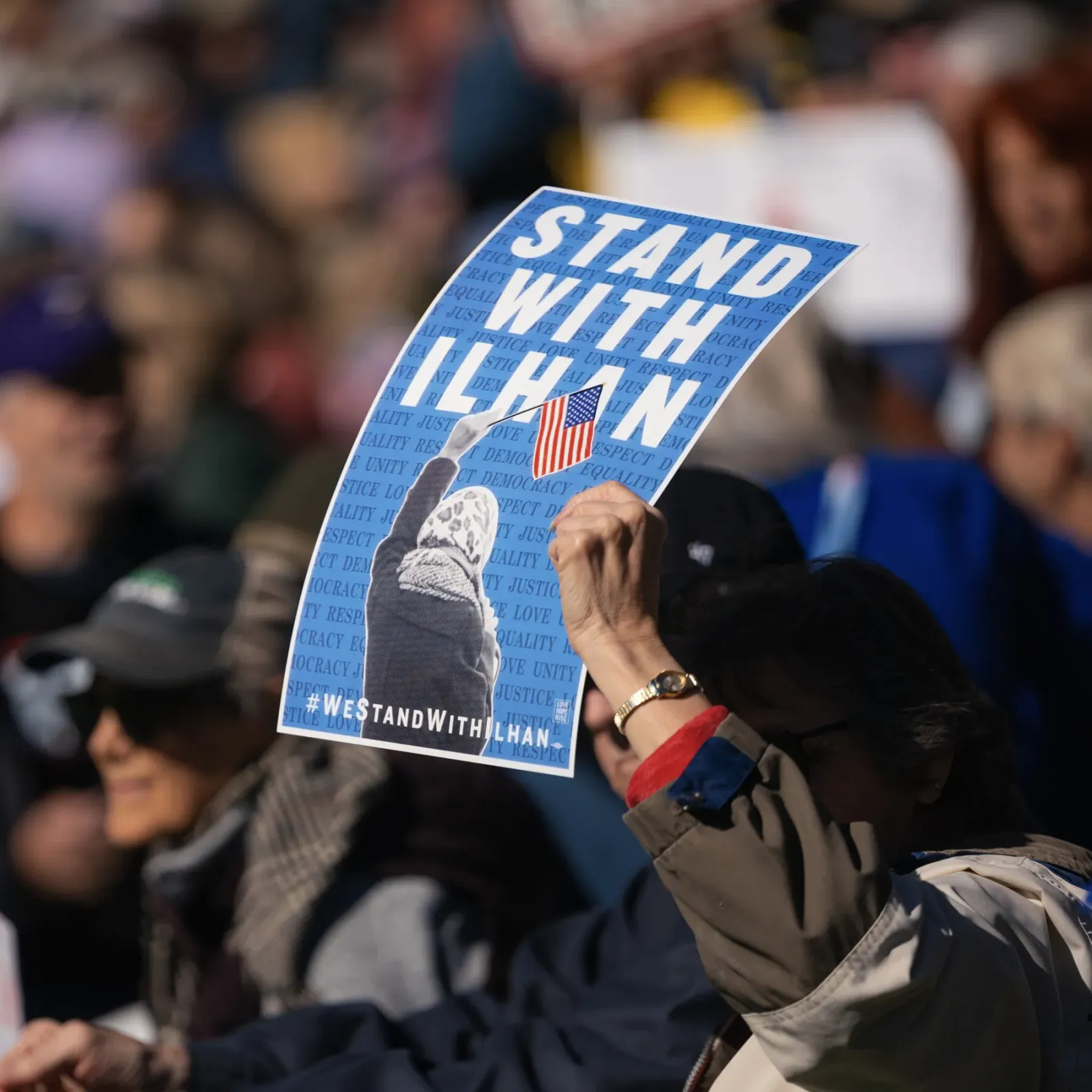
Obama Defends Ilhan Omar After Agents Search Her Home in Trump Inquiry
The former president's intervention raises the stakes in a federal probe into immigration paperwork that has put a prominent progressive lawmaker in the crosshairs.

Blair-era minister: cut welfare to fund youth job support
Alan Milburn's call for welfare cuts to fund employment support opens a Labour fight over benefits and the Neet crisis.
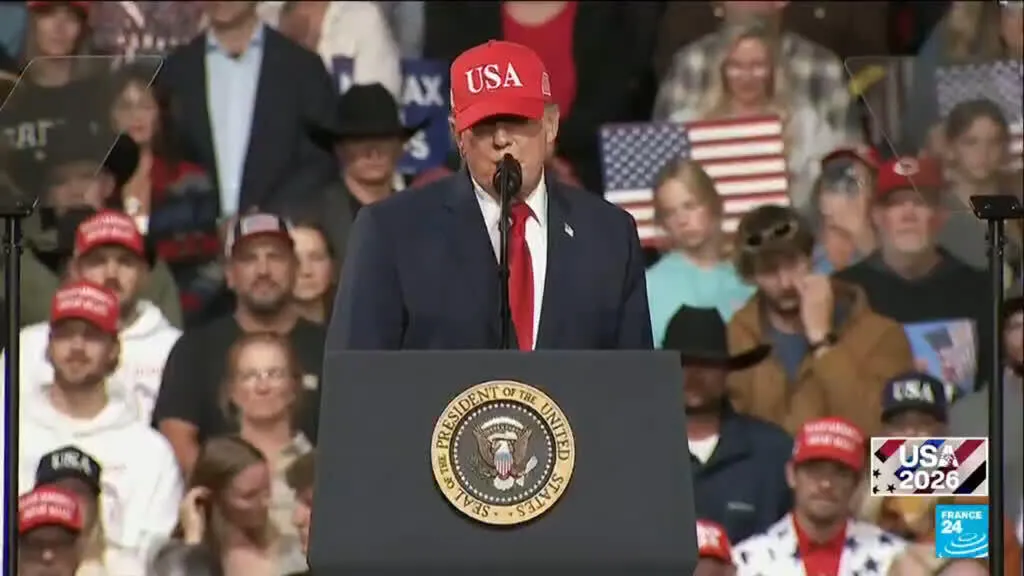
Hot September CPI: energy costs surge, voters feel the squeeze before midterms
The latest inflation print lands as Trump campaigns for GOP control of Congress, putting cost-of-living worries at the center of the midterm fight.