

Trump calls LeBron James “Maybe He’s a Racist” after years of NBA attacks
A new Trump jab escalates the long-running political feud with LeBron James, with implications for brands and institutions.
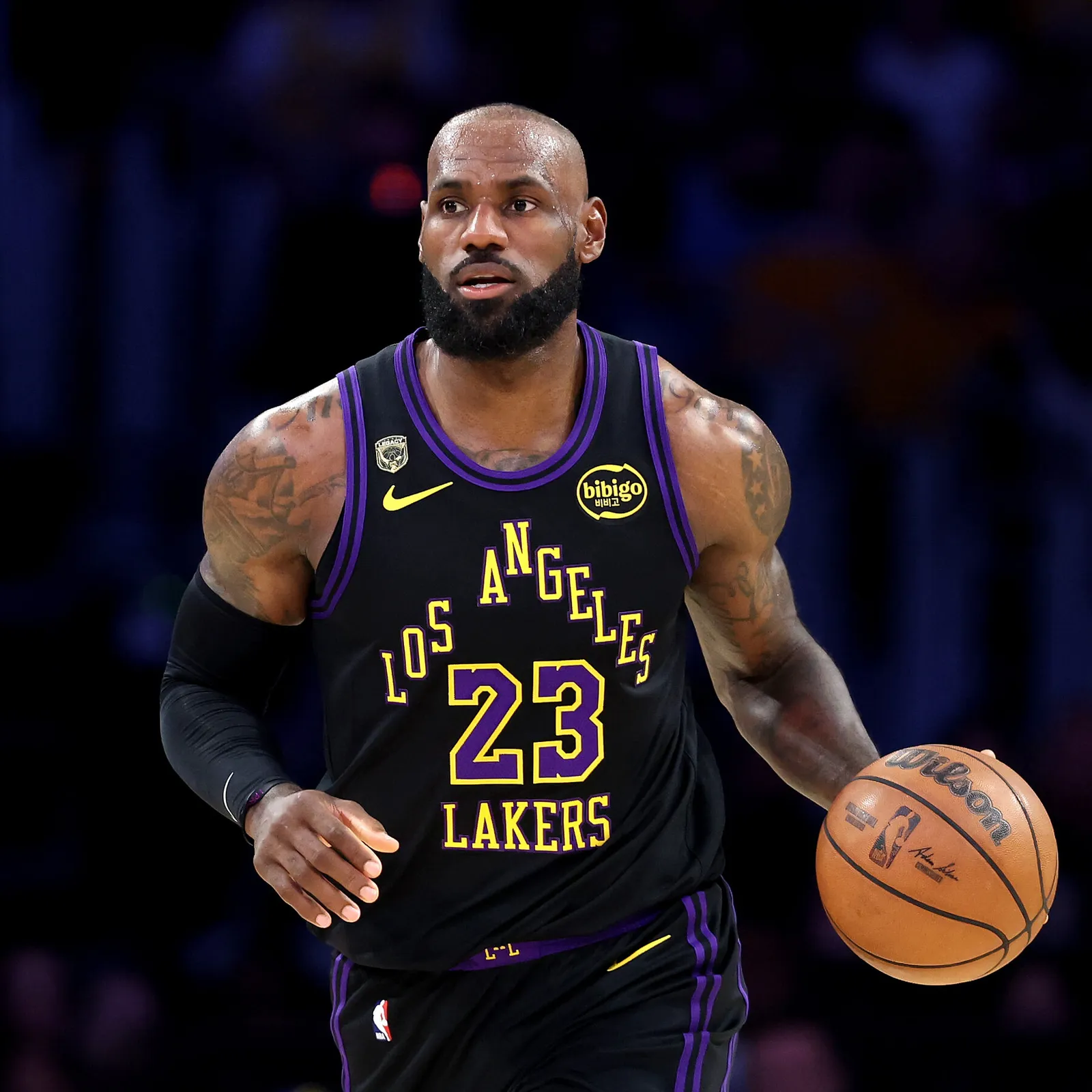
President Trump again attacked NBA star LeBron James, who has been critical of the president in the past. The escalation matters to decision-makers because it raises the political heat around mainstream entertainment brands and their risk management.
President Trump has lashed out again at NBA star LeBron James, saying, “Maybe He’s a Racist.” That line is not coming out of nowhere. The same basic pattern has repeated over the years: Trump takes public shots at James, and James has previously been critical of the president.
For executives, the key detail is the context, not just the insult. James is a high-visibility athlete whose political commentary reaches far beyond sports fans, and Trump is a president who treats cultural prominence as fair game in his political messaging. When the country’s highest office and one of the most recognizable figures in sports trade blows, the effect is a wider reputational storm than any single tweet or interview can capture.
This is why the feud is commercially consequential even if you are not in politics. LeBron’s platform has historically made him a magnet for public debate, and that debate now draws the attention of the most powerful political actor in the country. In plain terms, brands that associate with such figures face more than the usual questions about on-court performance or community work. They also get pulled into the risk cycle that comes with national politics: when tensions rise, audience perception shifts, media coverage intensifies, and sponsors and partners have to decide whether to stay neutral, double down, or manage perception.
There is also an institutional angle. Sports leagues and major media ecosystems sit at the intersection of law, public sentiment, and advertising dollars. The NBA is not a regulator, but it lives in a world where regulators, lawmakers, and agencies set the operating environment for speech, commerce, and corporate disclosures. Even when a president cannot directly control a league’s decisions, the political spotlight changes the “default” environment. Executives often talk about stakeholders as if they are separate entities: fans, employees, sponsors, lawmakers. In a high-profile political clash, those stakeholders start sharing headlines.
Second-order effects show up in governance and boardroom behavior. When a political figure targets a cultural icon, boards and executive teams tend to revisit crisis playbooks. That includes questions like: What is our stance on public statements by high-profile partners? How do we evaluate reputational risk versus brand equity? Do we need additional review layers for statements by executives, marketing teams, or spokespeople? Even if the organization is confident in its values, the cost of delay or miscalculation can be real because the media cycle compresses timelines. The “story” becomes more important than the spreadsheet.
There is another layer, too: the incentives of attention. Trump has repeatedly criticized James in public over the years, and James has criticized Trump. That mutual exposure creates a feed-back loop. Each new headline gives both sides more platform, and platform is currency. For decision-makers in entertainment, sports, and adjacent sectors, this means you often end up managing not just a single reputation risk but the probability of continued escalation. You do not just ask, “Is there a backlash?” You ask, “How likely is it to keep going, and who benefits from the ongoing coverage?”
For peers considering similar relationships, the strategic stakes are straightforward. LeBron James is not a private person whose behavior ends with a small circle. He is a public figure whose politics can become a proxy for larger cultural fights. When a sitting president adds fuel, the environment changes for everyone who touches the brand, from sponsors to networks to corporate partners. The business question becomes: can you withstand higher volatility without losing focus on long-term commitments?
In other words, this moment is less about one provocative phrase and more about how public institutions and mainstream entertainment keep intersecting. When Trump says “Maybe He’s a Racist,” he is making a claim that instantly invites further scrutiny and reaction. And when a political president and a sports icon repeatedly collide, executives should treat the resulting attention as an operating condition, not an external distraction. Your job is to manage the heat, protect the organization, and decide what neutrality really costs when the headlines refuse to cool down.
This story's Key Insights and Take-aways are locked.
Create a free account to unlock Executive Actions for one credit.
Register to UnlockAlways free for Executives Club members. Join the Club
More in Politics
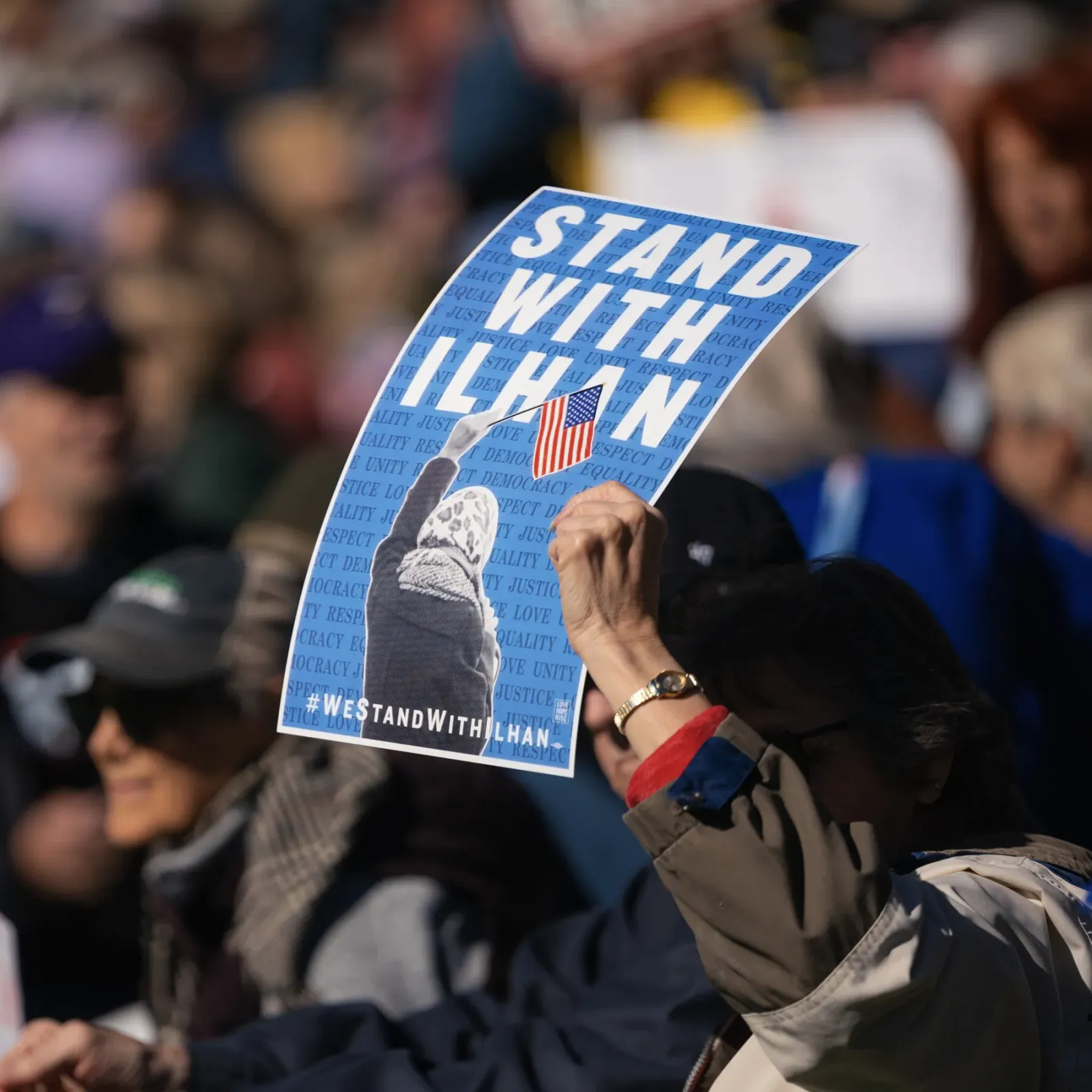
Obama Defends Ilhan Omar After Agents Search Her Home in Trump Inquiry
The former president's intervention raises the stakes in a federal probe into immigration paperwork that has put a prominent progressive lawmaker in the crosshairs.
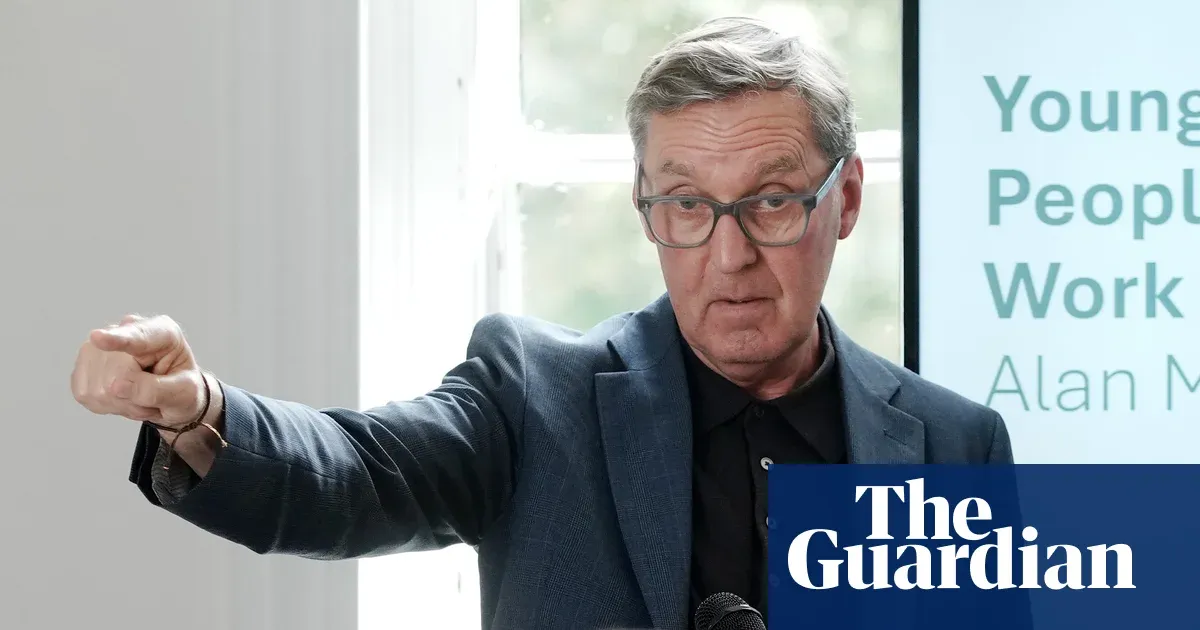
Blair-era minister: cut welfare to fund youth job support
Alan Milburn's call for welfare cuts to fund employment support opens a Labour fight over benefits and the Neet crisis.
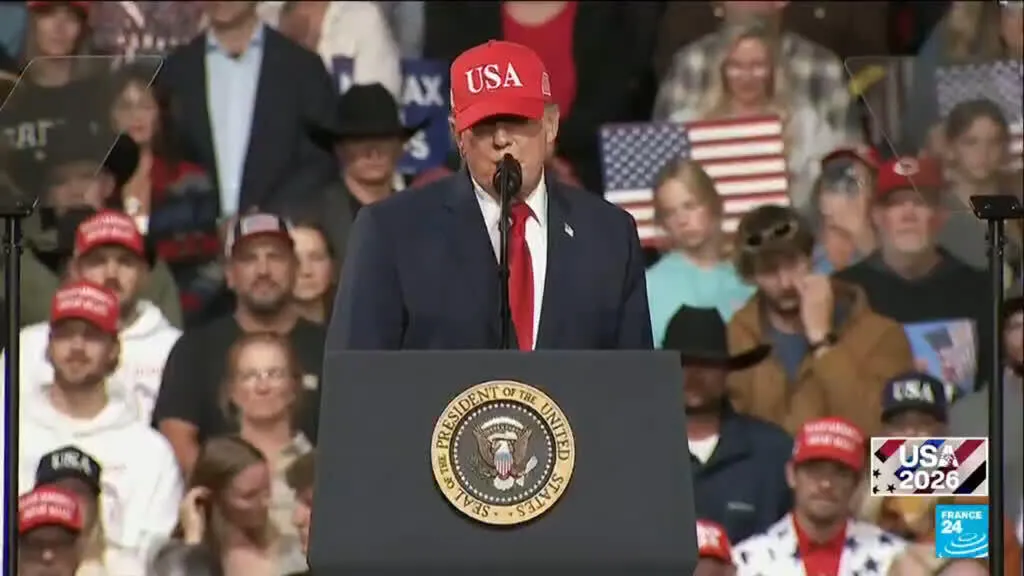
Hot September CPI: energy costs surge, voters feel the squeeze before midterms
The latest inflation print lands as Trump campaigns for GOP control of Congress, putting cost-of-living worries at the center of the midterm fight.