

Trump’s election-interference claims collide with his China policy, and markets may care
Foreign Policy argues the rhetoric on China meddling doesn’t align with the president’s actual China approach.
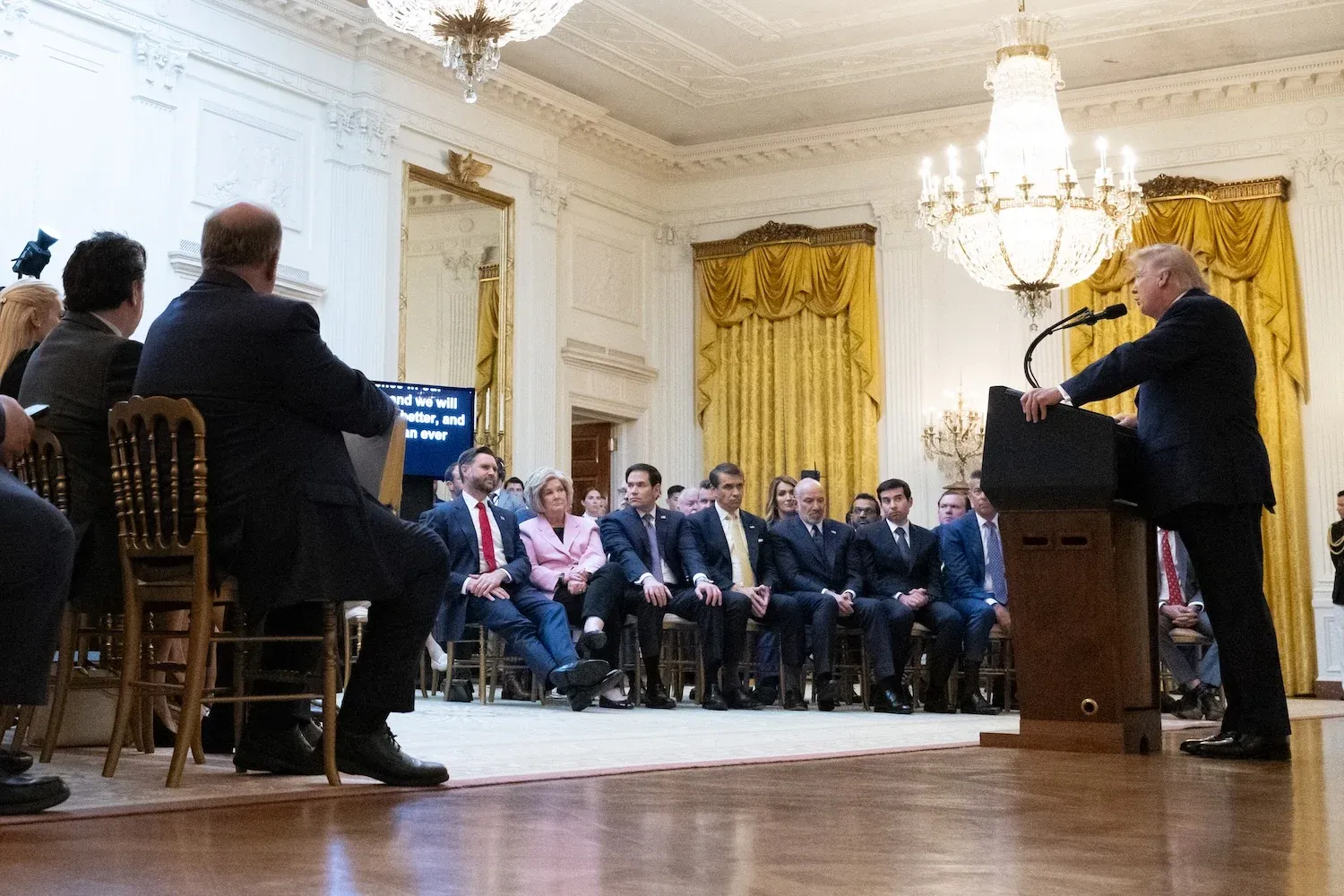
Foreign Policy says the president’s allegations about election interference are the latest example of a broader mismatch between his China threats and his China policy. For decision-makers, that gap matters because it shapes regulatory risk, geopolitical assumptions, and how investors price state-linked behavior.
The president’s latest allegations about election interference are not just another headline. Foreign Policy frames them as the newest example of a persistent mismatch: his China threats do not match his China policy.
That is the core friction to understand. Foreign Policy is basically arguing that when the administration talks like China is an urgent, escalating threat to democratic processes, its broader China policy behaves differently in practice. The story positions the election-interference allegations as the latest case in point, meaning the inconsistency is not a one-off. It is a pattern that shows up across issues, including how the United States chooses to apply pressure, pursue engagement, or manage trade and regulatory outcomes.
For executives and investors, these gaps are more than political theater. They influence how businesses forecast the probability of sanctions, export controls, procurement rules, data restrictions, and other government actions that can swing costs and operational timelines. Even when companies believe they have “compliance coverage,” the real risk often comes from unpredictable shifts in enforcement posture. Threat language tends to raise perceived risk, but policy alignment determines what actually gets implemented, how quickly, and how broadly.
So why does rhetoric versus policy alignment matter? Because markets and boards plan on incentives and implementation, not statements. If a government says the stakes are existential but then follows a policy path that does not consistently mirror that framing, companies struggle to build reliable scenarios. That uncertainty can translate into higher risk premia: investors demand more return to hold assets that could be exposed to sudden regulatory change. Meanwhile, boards may push management to “de-risk” faster, sometimes paying a premium for supply chain adjustments or renegotiated contracts, even if the eventual policy outcome is less severe than the rhetoric implied.
There is also a governance angle. Boards oversee risk across geopolitical exposure, supply chain dependencies, and regulatory compliance. When the executive branch signals heightened hostility toward a country but does not fully align its policy tools, boards face a harder question: is the mismatch a signal of tactical messaging, or does it reflect an internal disagreement between agencies and priorities? Foreign policy disputes can create fragmented authority, and that fragmentation affects which regulations land and which ones get delayed, narrowed, or overridden.
In practical terms, companies operating in sectors tied to China trade flows and technology controls typically monitor multiple channels at once. They look for export license shifts, tariff adjustments, procurement restrictions, and enforcement changes. They also watch for how the government frames national security and election-related interference risk, because those frames can justify extraordinary measures, like broader screening or tighter data access rules. When the framing and the follow-through do not match, executives have to treat policy as a moving target, not a linear response.
This is where Foreign Policy's framing gets its bite. By saying the president’s allegations about election interference are the latest case in point, it implies the rhetoric is being deployed to support a narrative, but the underlying China policy does not necessarily adhere to that narrative with matching consistency. That is not a trivial critique. It suggests that for the administration, China policy may be shaped by other constraints or priorities, such as economic considerations, strategic bargaining, or political goals that do not always track with the strongest language used in public.
Second-order implications follow quickly. If companies cannot map election-interference talk onto specific, predictable policy moves, they may over-prepare for the worst and under-prepare for the most likely outcome. That can lead to inefficient capital allocation, rushed divestitures, and strained relationships with suppliers or customers. It can also distort compliance work, where teams spend time building controls for scenarios that never arrive, while under-investing in the areas where regulators actually concentrate enforcement.
For executives and peers in similar roles, the takeaway is straightforward but uncomfortable. Treat public threats as information, not a forecast. Foreign Policy’s argument is a reminder that the connection between threat language and policy execution can be inconsistent. The strategic challenge is to design risk planning that survives that inconsistency: scenario-based budgeting, flexible contracting, and a clear view of which government actions are most likely to change your economics. In a world where geopolitics can hit your P&L through regulation, alignment gaps can be as consequential as the threats themselves.
This story's Key Insights and Take-aways are locked.
Create a free account to unlock Executive Actions for one credit.
Register to UnlockAlways free for Executives Club members. Join the Club
More in Politics

Gary Peters calls Pete Hegseth a "failure" over Iran war, before near-$70B funding request
In an appropriations hearing, the Michigan Democrat says Hegseth lacks leadership, while Congress weighs almost $70 billion more.

Trump says US is 'not finished' attacking Iran as Gulf strikes and Saudi port threats rise
Escalation deepens on multiple fronts, while US strikes and mediator diplomacy keep the conflict from going quiet.
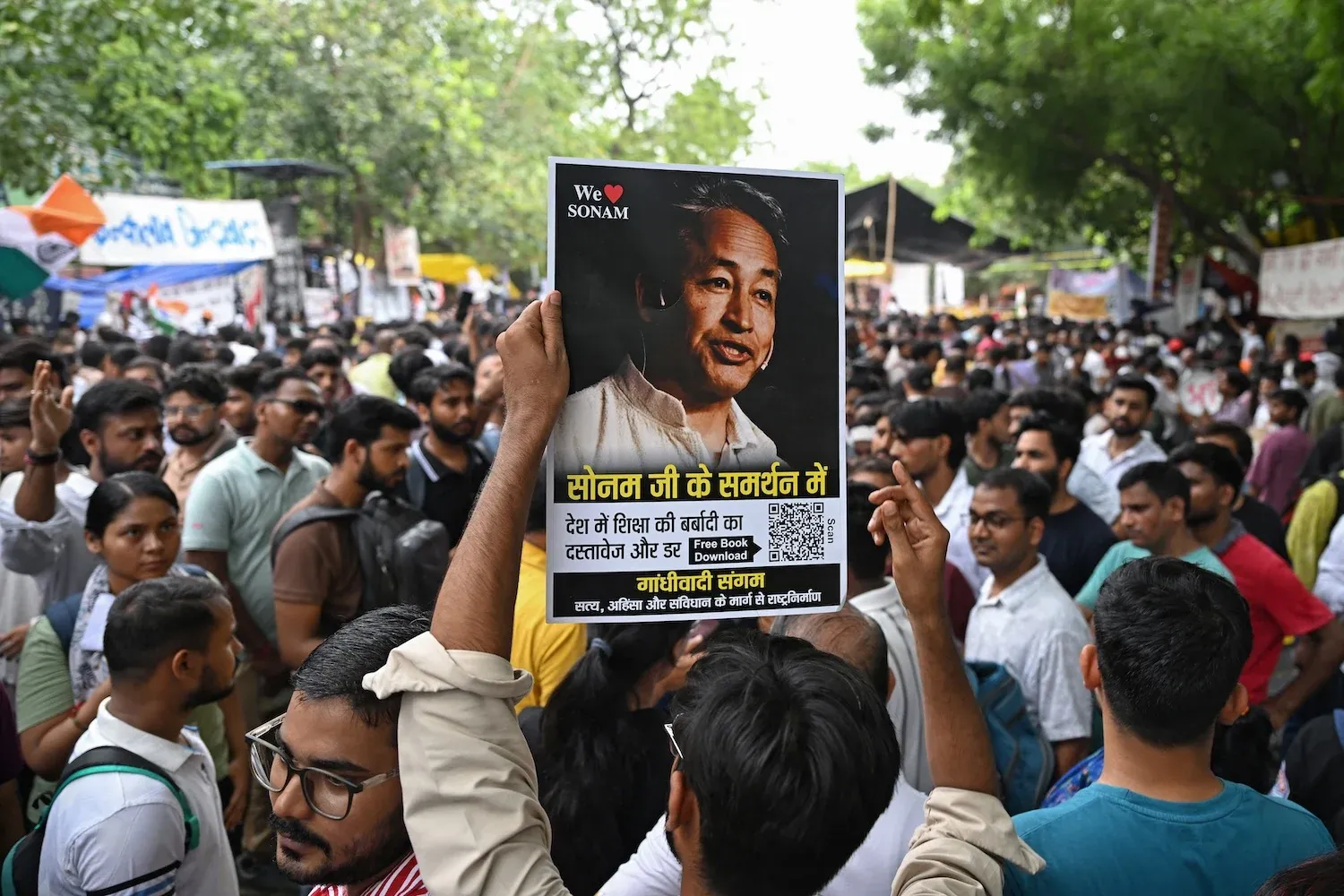
Sonam Wangchuk’s hunger strike rallies India’s youth with Cockroach protests
The fast in solidarity turns a youth movement into a wider public reckoning, echoing India’s protest tradition.