
Sonam Wangchuk’s hunger strike rallies India’s youth with Cockroach protests
The fast in solidarity turns a youth movement into a wider public reckoning, echoing India’s protest tradition.
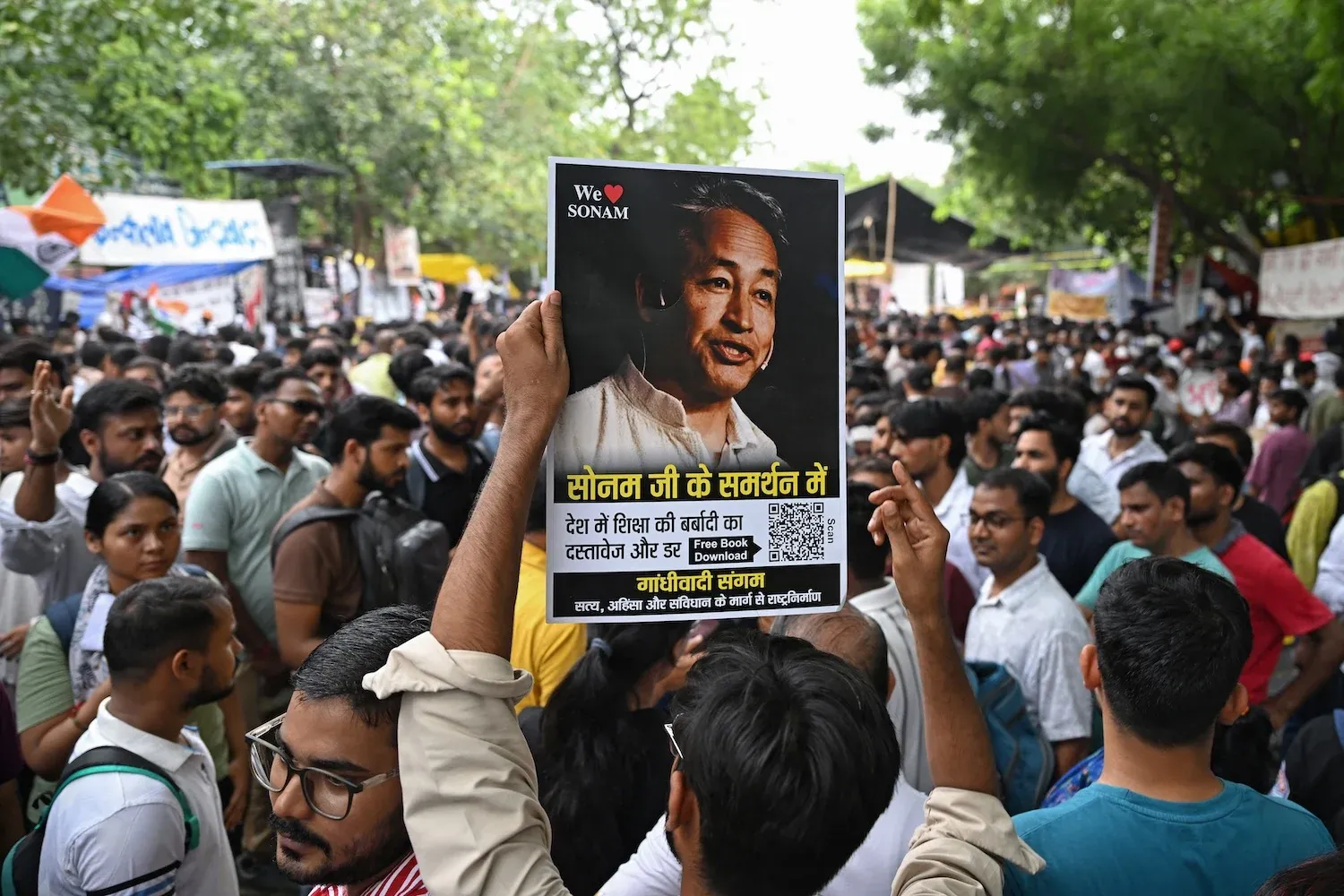
Sonam Wangchuk has started a fast in solidarity with Cockroach movement protests, drawing attention to a youth-led push. For decision-makers, the move signals how quickly youth activism can shift from street-level grievances to mainstream political attention.
Sonam Wangchuk is fasting in solidarity with Cockroach movement protests, and that act is doing what arguments often cannot: it is turning attention into momentum. In other words, the hunger strike is not just personal sacrifice. It is an organizing signal to a broader slice of India’s youth that they are watching, and they are ready to rally.
Wangchuk’s fast matters for the same reason high-stakes campaigns always matter. When a movement uses silence and bodily risk, it forces outsiders to look. The story places his hunger strike inside a longer tradition of fasting as protest, implying that this is not a one-off stunt but a historically grounded tactic. In a country where public attention can swing rapidly, that tactic becomes a multiplier. People who might have scrolled past normal demonstrations pause when the cost becomes visible.
To understand why this resonates, it helps to know how youth activism typically travels. Often it begins as a local dispute, then spreads through networks that are faster than institutions. Social platforms amplify the narrative. Leaders emerge or are recognized. And suddenly, what started as a specific set of concerns can become a symbol. Fasting accelerates that symbol-creation process because it compresses the message into a single image and a single timeline. It says, “We are serious enough to endure something irreversible.”
There is also a strategic incentive structure behind protest movements that executives and board members should understand, even when they are not in politics. Protest can pressure institutions by increasing reputational cost. If the movement stays confined, it is easier to manage or ignore. If it becomes a rallying point for youth, the reputational stakes rise for anyone who is perceived as indifferent, slow, or dismissive. Hunger strikes specifically raise the emotional intensity, which tends to widen the audience and shorten the attention cycle.
The source also frames Wangchuk’s fast as solidarity with Cockroach movement protests, which matters because solidarity is a governance-style force. Movements that can coordinate across different groups and identities are harder to fracture. When a recognizable youth figure puts their body behind another cause, it signals that the coalition is not fragile. That can change how other participants interpret risk and opportunity, and it can shift how observers interpret legitimacy.
Zooming out, hunger strikes are part of a well-worn protest toolkit in India. The source explicitly situates Wangchuk’s fast within “a long tradition,” which is important because it implies the tactic comes with an established cultural script. In those scripts, fasting can function like a demand delivered through moral urgency rather than bureaucratic process. That does not mean officials will automatically respond. It does mean the public expects engagement, or at least explanation.
Second-order implications follow quickly. First, mainstream attention can pull regulators and institutions into the spotlight even if the underlying policy question is narrow. Second, organizations connected to affected communities may face sudden scrutiny, because people do not separate civic life from economic life. For executives, that means issues that look like “local social noise” can turn into enterprise-wide risk: customer sentiment, hiring narratives, reputational pressure, and political volatility can all move together when youth movements go mainstream.
The strategic stakes are especially clear for peers who lead institutions that depend on social trust. If youth activists can command visibility through a hunger strike, leaders will be judged not only on outcomes but on responsiveness. The source does not give details about negotiations or policy changes, so the immediate takeaway is about attention and legitimacy. Wangchuk’s fast is rallying youth, and when youth rally, the conversation becomes harder for institutions to contain.
In practical terms, the question for decision-makers is no longer “Will there be protests?” It is “How will institutions interpret and respond to a movement that uses public sacrifice to demand attention?” Wangchuk’s solidarity fast is a reminder that in moments like this, credibility and speed become competitive advantages, and silence can be read as indifference. The movement is tapping a proven tradition. The audience is listening. And the next step will be watched by everyone.
This story's Key Insights and Take-aways are locked.
Create a free account to unlock Executive Actions for one credit.
Register to UnlockAlways free for Executives Club members. Join the Club
More in Politics

LA County: DOJ's 20,000 'noncitizen' voter list is 'unreliable,' includes U.S.-born
Preliminary review by Los Angeles County election officials finds errors in the federal list, raising the stakes for voter roll integrity ahead of November.
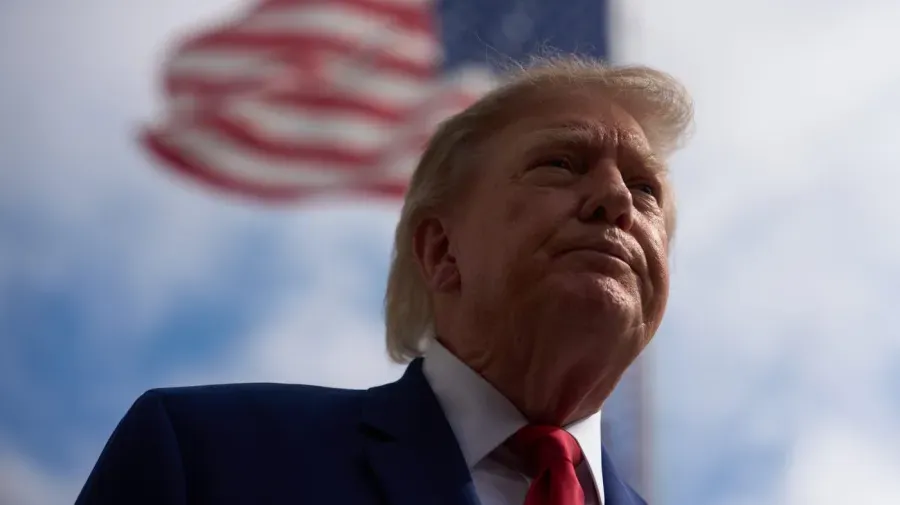
Trump's $1.5B Pentagon chip investment lands in North Carolina
A $1.5 billion defense infusion for North Carolina chipmaking signals a new era of Pentagon-backed reshoring - here's what it means for the industry.
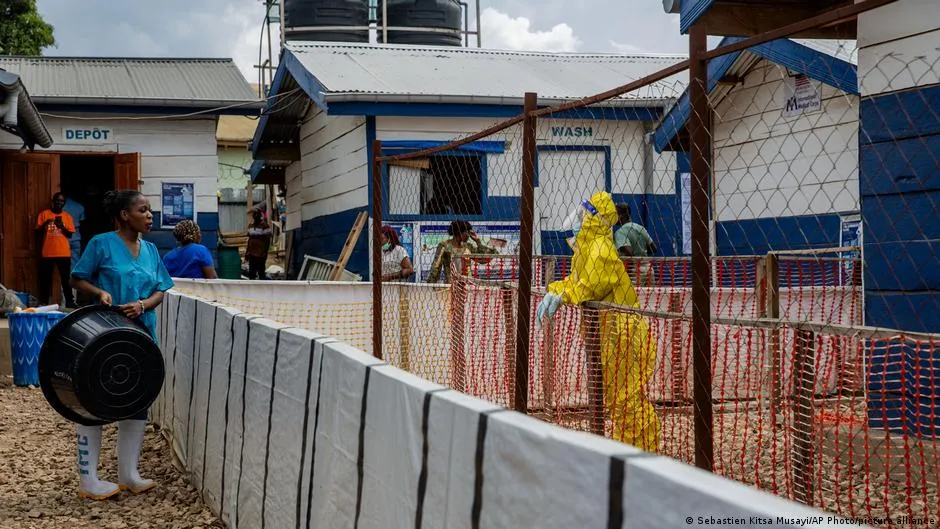
Nigeria confirms first Ebola case in Abuja, a woman just off a Uganda flight
Health Minister Muhammad Ali Pate says the patient flew in from Uganda, putting Africa's latest outbreak on Nigeria's doorstep.