

Trump says Iran released an American detained since Dec 2024, calls it “goodwill”
Even as Washington and Tehran trade fresh hostility, a detained US citizen walks free. Here is what it signals.
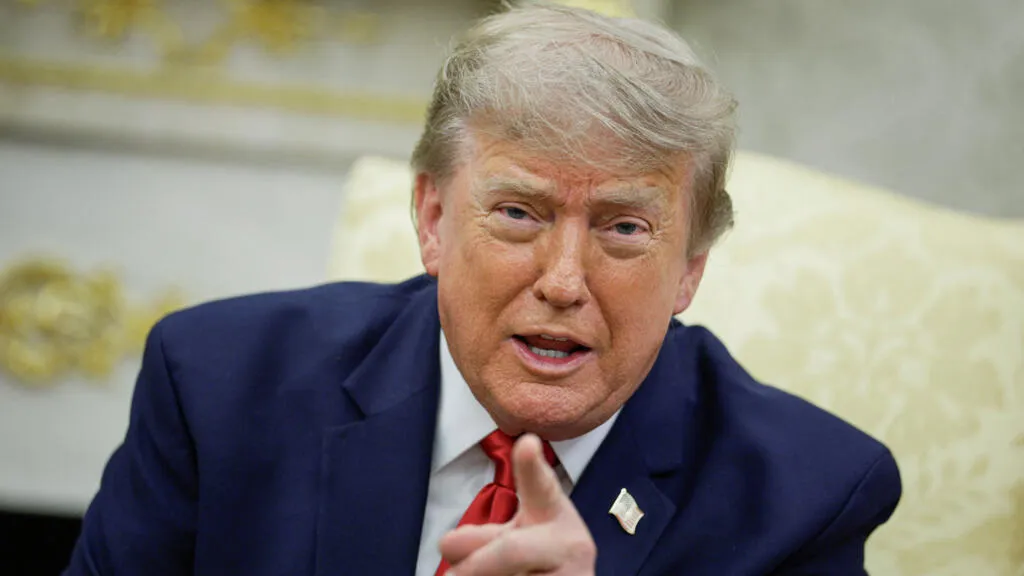
US President Donald Trump said Iran released an American citizen detained since December 2024 and allowed her to leave the country. For business and risk leaders, the episode is a live reminder that geopolitical detention cases can move faster than markets expect.
US President Donald Trump said Iran released an American citizen who had been detained since December 2024 and allowed her to leave the country. Trump described the release as a “gesture of goodwill,” even as tensions between Washington and Tehran continue to flare.
For decision-makers, the headline fact is the clock. A US citizen was held since December 2024, and then Iran permitted her departure. Trump framed that timing and outcome as something more than a routine administrative update. When a leader explicitly labels it goodwill, it can become a signal that diplomacy is working through the most human and sensitive channel possible: detention and release.
This is not just a diplomatic footnote. In a world where sanctions, export controls, and maritime or energy-related disruptions can hit supply chains quickly, detained citizens are often the clearest “off-ramp” or “on-ramp” geopolitical actors can use. Even when a broader negotiation is stuck, releases can create short windows where counterparties decide whether to press harder or hold steady. That is the second-order implication for executives: the most consequential cross-border risk is sometimes not the headline policy itself, but the operational events around it that can shift sentiment, leverage, and timing.
The source also notes “renewed hostilities between Washington and Tehran.” That detail matters because it sets up the tension inside Trump’s framing. If hostilities are renewed, then a goodwill gesture, by definition, arrives amid pressure rather than after it. That combination can be interpreted two ways, depending on your vantage point. It can mean Tehran is leaving space to reduce escalation without fully reversing course. Or it can mean Washington sees a limited goodwill act that does not change the larger contest. Either way, executives running international portfolios should treat this as a partial signal, not a full reset.
In markets, partial signals are exactly where risk management either earns its keep or gets caught flat-footed. Companies with exposure to the Middle East, global shipping, defense supply chains, or energy and petrochemicals often already price in volatility tied to US-Iran relations. But detention cases can create a different kind of volatility. They can drive sudden changes in travel advisories, security posture, and even procurement timelines for firms with personnel on the ground or counterparties tied to sanctioned networks. If a release is celebrated publicly as goodwill, counterparties may assume a thaw. If hostilities remain renewed, that assumption can evaporate just as quickly.
There is also a regulatory angle that matters for boards and compliance teams. US-Iran tensions frequently intersect with sanctions enforcement and export licensing. When geopolitical events shift, companies typically face a rapid need to reassess whether existing licenses, general authorizations, and compliance guardrails still fit the current reality. Even though the source does not provide sanctions details, the broader pattern is consistent: when the diplomatic temperature changes, regulators and auditors often expect firms to demonstrate that their risk assessments are current. A publicly described “gesture of goodwill” can prompt questions from regulators or internal stakeholders about whether the company’s assumptions for counterparties, due diligence, and transaction screening still match the situation.
Finally, there is the reputational and stakeholder dimension. A detained person is not an abstract geopolitical variable, and a public statement calling a release goodwill can pull corporate audiences into the story indirectly. Employees, customers, and investors pay attention when governments trade gestures and when a citizen is allowed to leave after a long detention. For executives, the strategic stake is whether the company maintains disciplined neutrality, keeps communications consistent, and avoids over-interpreting a single diplomatic step as permission to loosen safeguards.
In short: Trump says Iran released an American citizen detained since December 2024 and allowed her to leave, calling it “gesture of goodwill.” The fact pattern is straightforward. The implications are not. In a period of renewed hostilities, that release can create short-lived openings while raising new questions about what comes next. For boards and risk leaders, the job is to treat the goodwill label as a signal to monitor, not as a reason to relax.
This story's Key Insights and Take-aways are locked.
Create a free account to unlock Executive Actions for one credit.
Register to UnlockAlways free for Executives Club members. Join the Club
More in Politics

LA County: DOJ's 20,000 'noncitizen' voter list is 'unreliable,' includes U.S.-born
Preliminary review by Los Angeles County election officials finds errors in the federal list, raising the stakes for voter roll integrity ahead of November.

Trump's $1.5B Pentagon chip investment lands in North Carolina
A $1.5 billion defense infusion for North Carolina chipmaking signals a new era of Pentagon-backed reshoring - here's what it means for the industry.

Nigeria confirms first Ebola case in Abuja, a woman just off a Uganda flight
Health Minister Muhammad Ali Pate says the patient flew in from Uganda, putting Africa's latest outbreak on Nigeria's doorstep.