
Trump sets 10%-12.5% tariffs on imports from 60 countries over forced-labor enforcement
A 60-country sweep covering 99% of U.S. imports brings forced-labor claims into the tariff lane, not the paperwork lane.
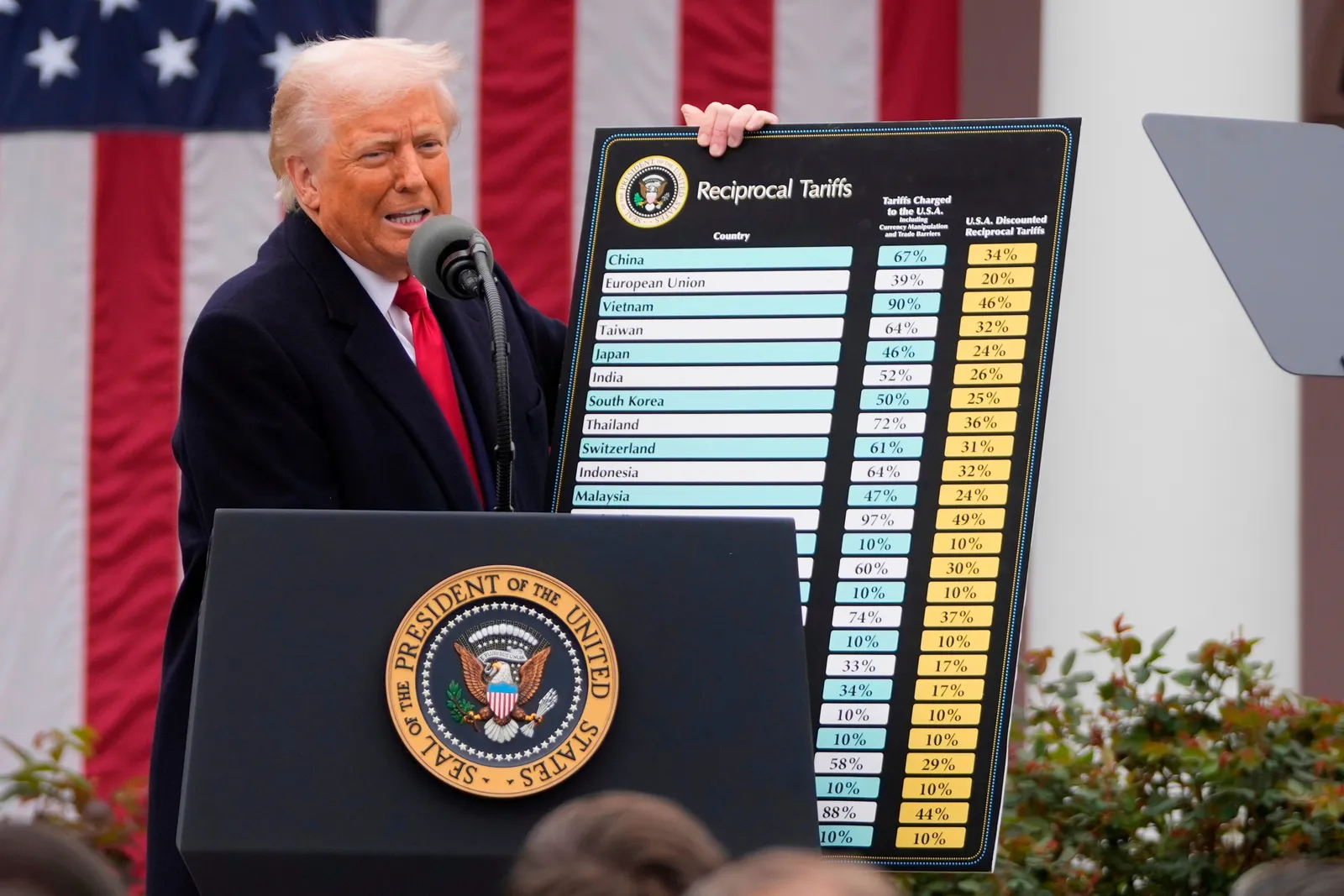
The Trump administration will impose 10% to 12.5% taxes on imports from 60 countries that it says account for 99% of U.S. imports. The move targets goods produced by forced labor after the administration argues existing bans have not been adequately enforced.
The Trump administration says it will impose 10% to 12.5% tariffs on imports from 60 countries, a set that the administration describes as accounting for 99% of U.S. imports. The justification is equally blunt: these countries have “inadequately enforced” bans on goods produced by forced labor.
For decision-makers, the key point is not just the rate range, but the scale. Covering 60 countries that together represent essentially the entire U.S. import flow means this is designed to change real-world sourcing math, not just send a symbolic compliance note. If you sell into the U.S. market, or if your company depends on global supply chains that feed U.S. manufacturers, the tariff trigger is now tied to forced labor enforcement, not only to traditional trade friction like tariffs by product category or country-by-country retaliation.
To understand why this matters commercially, it helps to separate the policy target from the mechanism. The policy target is forced-labor goods and the claim that certain bans have not been enforced enough. The mechanism is a tax applied at the border, specifically 10% to 12.5%, applied broadly across imports from those 60 countries. That combination compresses time. Instead of waiting for incremental enforcement actions, customs exposure becomes immediate and cost-bearing at import time.
For executives, this changes how risk management gets done. Forced-labor screening often sits in legal and compliance workstreams, with documentation requests, supplier attestations, and audits. Tariffs, especially ones expressed as a percentage of imports, behave differently. They can turn a compliance uncertainty into a predictable line item that hits margins. Even if a company believes it is sourcing responsibly, the administrative burden and the possibility of classification disputes can create uncertainty, which companies typically handle by building hedges into pricing, contracting, or inventory planning.
There is also a board-level dynamic here: trade policy that touches “99% of U.S. imports” pulls together functions that do not always coordinate. Procurement, finance, and legal compliance suddenly share a single runway. The rate range, 10% to 12.5%, creates enough spread that finance teams will want clarity on whether the rate depends on country, product, or implementation details, even though the source summary only states the overall band. Either way, a percentage-based tariff is a lever that interacts with exchange rates, freight costs, and supplier pricing, which means the total landed cost can swing even when underlying production costs do not.
From a regulatory framing standpoint, this is also a shift in emphasis. The administration is charging that forced-labor-related bans have not been adequately enforced, and it is responding through tariffs. That implies the policy is seeking to use economic pressure to force stronger enforcement outcomes. In practical terms, executives should anticipate that forced-labor compliance requests could become more urgent from downstream customers, because importers will need stronger documentation to manage exposure. When policy changes like this land, compliance programs are often asked to prove not only intent and process, but also measurable outcomes.
Second-order implications can show up in unexpected places. For example, supply chain localization decisions are usually justified with lead time, logistics resilience, or labor availability. Here, enforcement credibility becomes another variable. Suppliers may push back on audit intensity, or they may tighten their own sourcing controls, because tariffs can make “fast and flexible” procurement far more expensive if exposure is detected. Meanwhile, contract teams may rewrite terms around responsibility for regulatory risk, including who bears costs if tariffs are imposed.
For peers in similar roles, the strategic stake is simple and uncomfortable: this is a broad border tax justified by forced-labor enforcement, not a narrow adjustment. When a policy covers countries accounting for 99% of U.S. imports, the question for executives becomes how to keep the company competitive while meeting higher compliance expectations. The 10% to 12.5% headline number will likely be read as a margin threat, but the real boardroom work is deciding how to operationalize forced-labor risk so it does not become a recurring cost of doing business.
This story's Key Insights and Take-aways are locked.
Create a free account to unlock Executive Actions for one credit.
Register to UnlockAlways free for Executives Club members. Join the Club
More in Politics
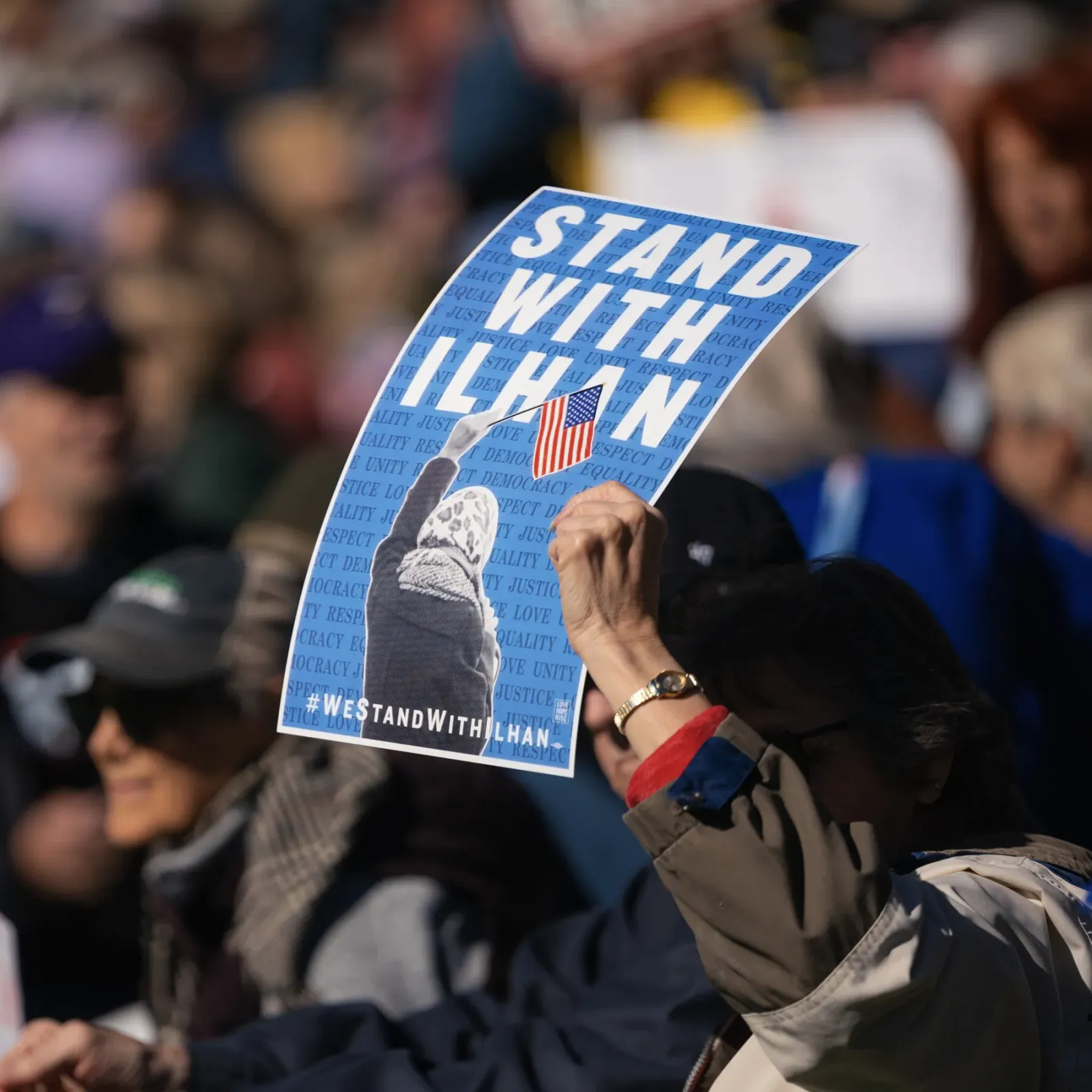
Obama Defends Ilhan Omar After Agents Search Her Home in Trump Inquiry
The former president's intervention raises the stakes in a federal probe into immigration paperwork that has put a prominent progressive lawmaker in the crosshairs.

Blair-era minister: cut welfare to fund youth job support
Alan Milburn's call for welfare cuts to fund employment support opens a Labour fight over benefits and the Neet crisis.
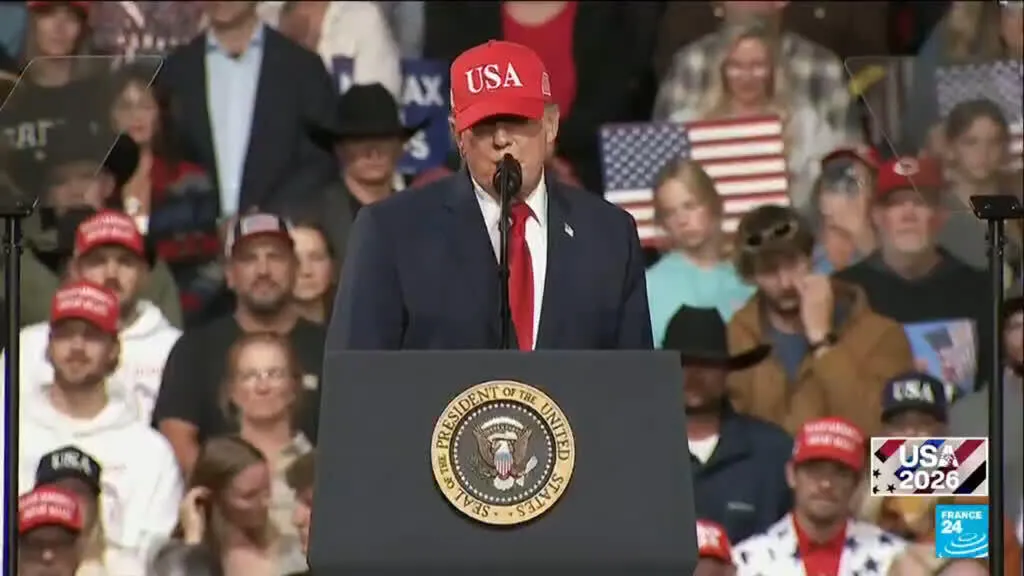
Hot September CPI: energy costs surge, voters feel the squeeze before midterms
The latest inflation print lands as Trump campaigns for GOP control of Congress, putting cost-of-living worries at the center of the midterm fight.