
Federal judges let Tennessee run a Memphis map, rejecting block before August primary
A three-judge panel refused to pause Tennessee's new congressional map, keeping it on track for August primary elections.

A three-judge federal panel on Thursday allowed Tennessee to use a new congressional map that divides a majority-Black Memphis district, rejecting a request to block it. The ruling clears the way for the map to apply during Tennessee's state primary elections in August, reshaping the litigation timeline and election battlefield.
A three-judge panel of federal judges on Thursday allowed Tennessee to use a new congressional map that divides a majority-Black district in Memphis, rejecting an effort to block the plan ahead of the state’s primary elections in August. The panel declined to issue a preliminary injunction, which is the court order parties seek to stop a policy or election-related change while a case works its way through the system.
In plain English, this is the difference between “fight in court for months” and “go ahead and use the map now.” By refusing the preliminary injunction, the judges cleared the way for Tennessee to proceed with the new map for the August primaries, meaning the political and legal clock now shifts from “can the state use it yet?” to “what happens after voters weigh in?”
Why does this kind of decision matter to leaders beyond the headline? Because congressional redistricting is one of the few public policy areas where timing and leverage can be as important as the underlying legal arguments. Once election deadlines are close, courts face a practical dilemma: delaying the map can disrupt election preparations, confuse jurisdictions, and compress the time available to implement changes. At the same time, plaintiffs argue that letting an election proceed under a contested map can cause irreparable harm, including voter dilution and long-term political consequences that do not unwind neatly after ballots are cast.
Here, the panel’s decision not to pause the map ahead of August suggests the court concluded that a preliminary injunction was not warranted at this stage. Preliminary injunctions are an early, high-impact remedy. They are meant for situations where the case presents a strong enough showing that waiting would cause harms that cannot be repaired. When a panel declines to issue one, it does not necessarily resolve the entire underlying dispute. It does, however, decide what the default operational path looks like for the near-term election cycle.
For Tennessee, the benefit is straightforward: the state can move from uncertainty to execution. Redistricting involves real administrative work, from printing ballots to informing election officials and preparing polling materials. An injunction would have forced contingency planning and could have derailed coordination. Without that pause, Tennessee can treat the new map as settled for August, at least for purposes of the immediate electoral process.
For the plaintiffs who tried to stop the plan, the setback is equally concrete. The court’s refusal means the map will be used in an election context, which can raise the stakes for both sides. If the map is used and the dispute continues, the case will shift into a post-election posture where the political and factual record is richer, but any remedy may become more complicated. Courts sometimes face questions about what relief is feasible after an election has already occurred, and whether changing lines after voting can fully address alleged harms.
There is also an institutional and procedural subtext here that decision-makers who track litigation always recognize. A three-judge federal panel making a timing call signals that the case is at an inflection point where immediate remedies are contested. Even when courts do not decide the ultimate merits on an expedited basis, interim rulings can determine which side captures the next procedural milestone. That can influence how resources are allocated, how legal teams plan briefing schedules, and how advocacy groups coordinate messaging.
Second-order implications matter in election litigation because public map disputes tend to attract broader attention than a typical regulatory fight. The Memphis district line-drawing dispute, centered on a majority-Black district being divided, sits at the intersection of voting rights concerns and the mechanics of how states redraw districts. Those issues do not stay local. Other states and future map challenges watch how courts handle preliminary injunction requests close to election dates. The more courts allow contested maps to proceed when deadlines are near, the more it changes the strategic landscape for all parties involved in redistricting disputes.
For executives, board members, and investors tracking governance risk or operational exposure to political regulation, the key lesson is that litigation outcomes can be “schedule outcomes.” Here, the ruling clears the way for the August primary elections to proceed under the new Memphis map. That affects not only political actors and voters, but also the broader ecosystem that plans around certainty: election administrators, policy stakeholders, and anyone betting on timelines.
Going into August, the practical question becomes less about whether the map will be debated in court, and more about how quickly the dispute can be resolved after the state has already operationalized it. The strategic stakes for similarly positioned leaders in other jurisdictions are the same: interim court rulings can lock in real-world consequences before the merits are fully settled, and the window to stop a policy may close faster than anyone expects.
This story's Key Insights and Take-aways are locked.
Create a free account to unlock Executive Actions for one credit.
Register to UnlockAlways free for Executives Club members. Join the Club
More in Politics
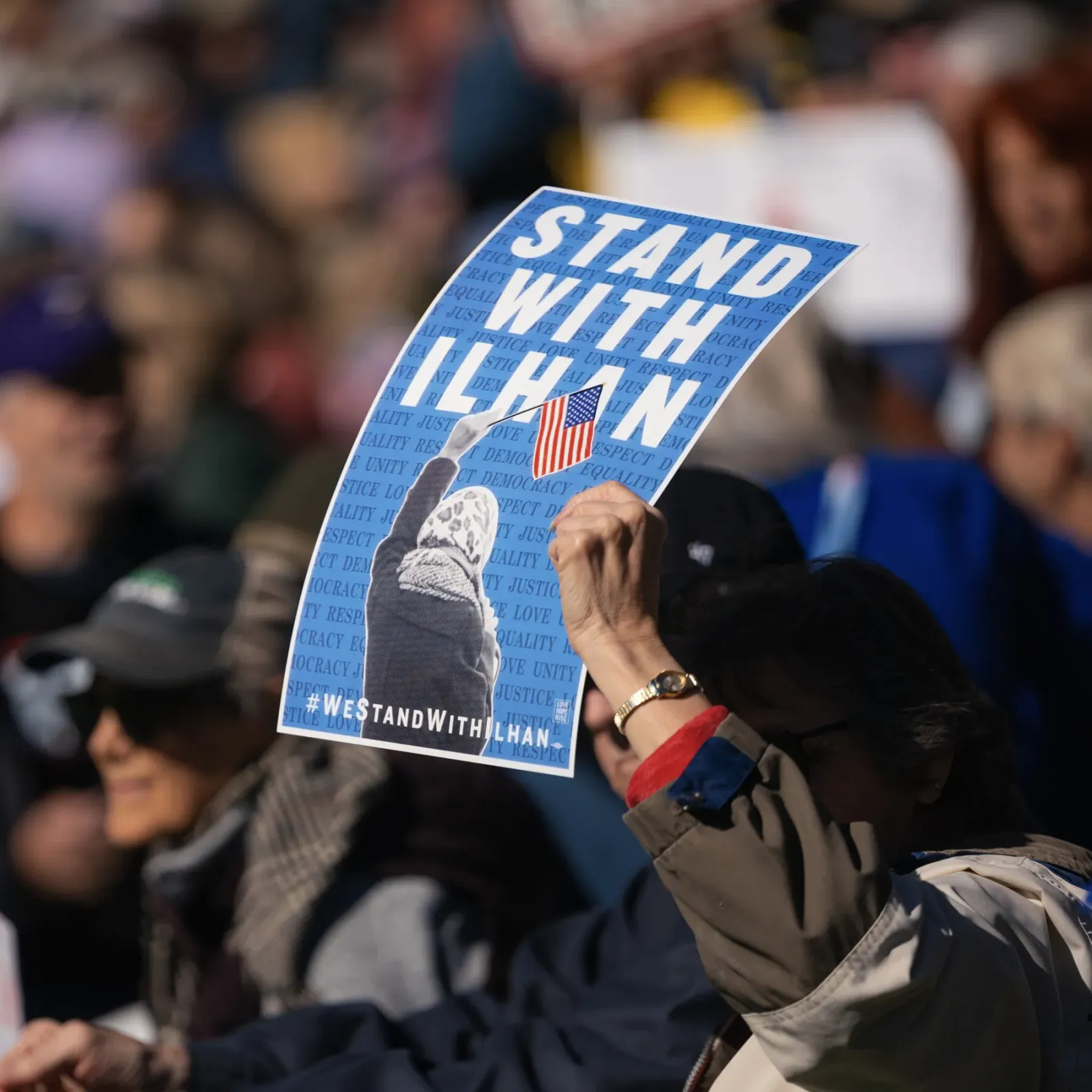
Obama Defends Ilhan Omar After Agents Search Her Home in Trump Inquiry
The former president's intervention raises the stakes in a federal probe into immigration paperwork that has put a prominent progressive lawmaker in the crosshairs.

Blair-era minister: cut welfare to fund youth job support
Alan Milburn's call for welfare cuts to fund employment support opens a Labour fight over benefits and the Neet crisis.
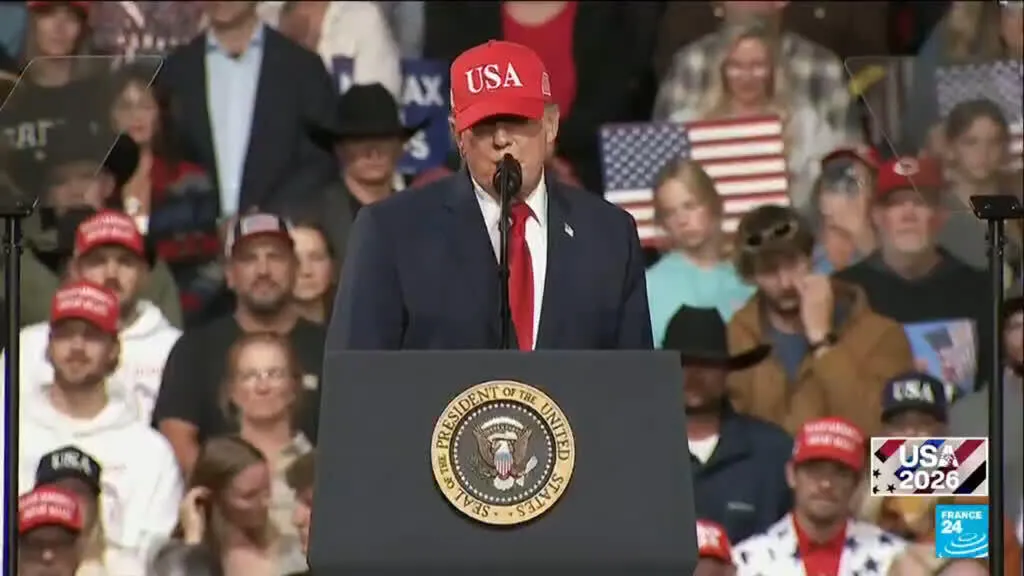
Hot September CPI: energy costs surge, voters feel the squeeze before midterms
The latest inflation print lands as Trump campaigns for GOP control of Congress, putting cost-of-living worries at the center of the midterm fight.