
Trump won’t sign housing bill, signaling pressure on Senate Republicans over stalled vote
He avoided calling it a veto. Here is what that means for housing timelines and Senate-GOP leverage.
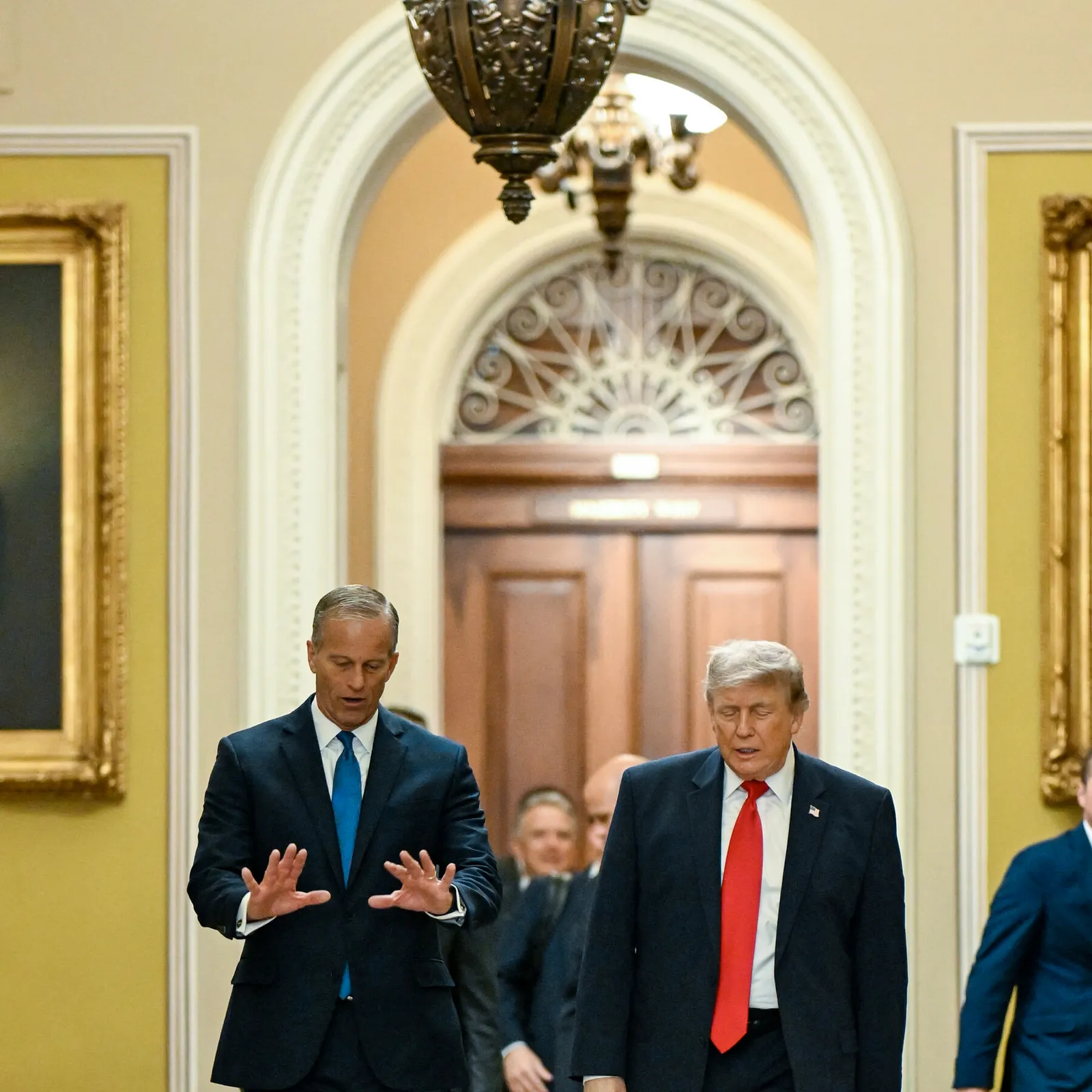
President Trump said he would not sign a housing bill, raising tensions with Senate Republicans as a stalled voting measure hangs over the package. For decision-makers, the key is whether “won’t sign” becomes a de facto veto, and how that reshapes legislative and policy certainty.
President Trump said he will not sign a housing bill, using the moment as a protest over a stalled voting measure. Importantly, he did not say he would veto the legislation. That distinction matters, because absent a veto, the bill can still become law unless he takes a further step.
So, the practical stake is immediate: the housing bill is not automatically dead, but it is now politically contingent. Trump’s pronouncement reflects a growing rift between him and Senate Republicans, which is the real story beneath the words. If the relationship between the White House and the Senate GOP majority keeps fraying, future movement on major packages can get slower, more negotiable, and more chaotic for everyone trying to plan around policy timelines.
To understand why this tug-of-war is bigger than one bill, you have to look at how housing legislation and legislative timing work in Washington. Housing policy often does not just affect rents and affordability in the abstract. It drives market expectations around development incentives, financing structures, and the regulatory environment that developers, builders, mortgage lenders, and investors need to underwrite long-term projects. When lawmakers pass legislation, the “when” can be as important as the “what,” because capital allocation tends to follow clarity. If timelines slip or if implementation starts to feel uncertain, it can delay commitments, slow construction planning, or shift which programs get prioritized.
In this case, the headline tension is not only Trump versus Congress in general. It is specifically Trump versus Senate Republicans. That matters because Senate Republicans are the coalition with procedural power, committee influence, and the ability to keep negotiations moving. A public signal from the president that he will not sign something, even without explicitly vetoing it, puts pressure on that coalition. It forces Senate leaders to either renegotiate the stalled voting measure issue or accept that the White House may be willing to withhold approval as leverage.
The phrase “won’t sign” is a political tool, and it can function like a warning shot. But it also creates room for interpretation. Since Trump did not say he would veto the housing legislation, the bill could still become law unless he does something further to block it. That creates an awkward middle ground for stakeholders: they cannot fully bank on policy certainty, yet they also cannot treat the outcome as definitively canceled. In markets and operations, that middle ground is where uncertainty lives and where execution can get expensive.
Second-order effects often show up downstream of the headline confrontation. Housing policy intersects with regulation and financing, which tend to involve lots of second-order dependencies: agency rulemaking, implementation timelines, and administrative priorities. Even when legislation is passed, the actual changes can arrive through regulations and guidance, which agencies can move faster or slower depending on political backing. A visible White House-Senate rift can influence whether agencies feel confident that the statute will survive political turbulence and whether they should commit resources now or wait.
For executives, boards, and investors watching policy, the Senate GOP relationship dynamic is not just Washington theater. It shapes whether legislation is stable enough to build around. If the president is publicly willing to refuse to sign bills as protest, lawmakers may respond by tightening negotiations, adding conditions, or demanding more concessions upfront to avoid a later political reversal. That could mean slower legislative throughput, more bargaining at the margins, and an increased likelihood that major bills become bargaining chips rather than straightforward policy outcomes.
Strategically, the stakes are simple. If “won’t sign” becomes a pattern, legislative predictability declines. In turn, that affects planning across the housing ecosystem, from underwriting to construction schedules to the timing of program participation. For leaders in adjacent industries, the lesson is that legislative risk is not only about whether a bill passes, it is also about whether the White House relationship with the Senate is stable enough to deliver signing and predictable implementation. If Trump and Senate Republicans keep drifting further apart, the outcome of future housing and related policy packages may become less about policy substance and more about who blinks first on process.
This story's Key Insights and Take-aways are locked.
Create a free account to unlock Executive Actions for one credit.
Register to UnlockAlways free for Executives Club members. Join the Club
More in Politics

Glacial collapse, not rain, killed 180 in Nepal's Himalayan flood
The Himalaya's extreme geography hid the true cause of Nepal's catastrophic flood, a glacial collapse that turned a geological battleground into a mass-casualty zone.

Iran’s Esmail Baghaei says Oman talks start shipping via Hormuz, not US talks yet
Temporary route plans with Oman aim to restart commerce while Tehran says Washington dialogue is not on the table.

Standards watchdog opens probe into Reform UK deputy leader Richard Tice over interests
The parliamentary standards commissioner says it began an investigation on 28 July into a possible undeclared interest.