

U.S. and Iranian forces target civilian infrastructure, raising war-crimes scrutiny risks
Attacks on bridges, power plants, and desalination facilities trigger the kind of legal threshold that can reshape policy.
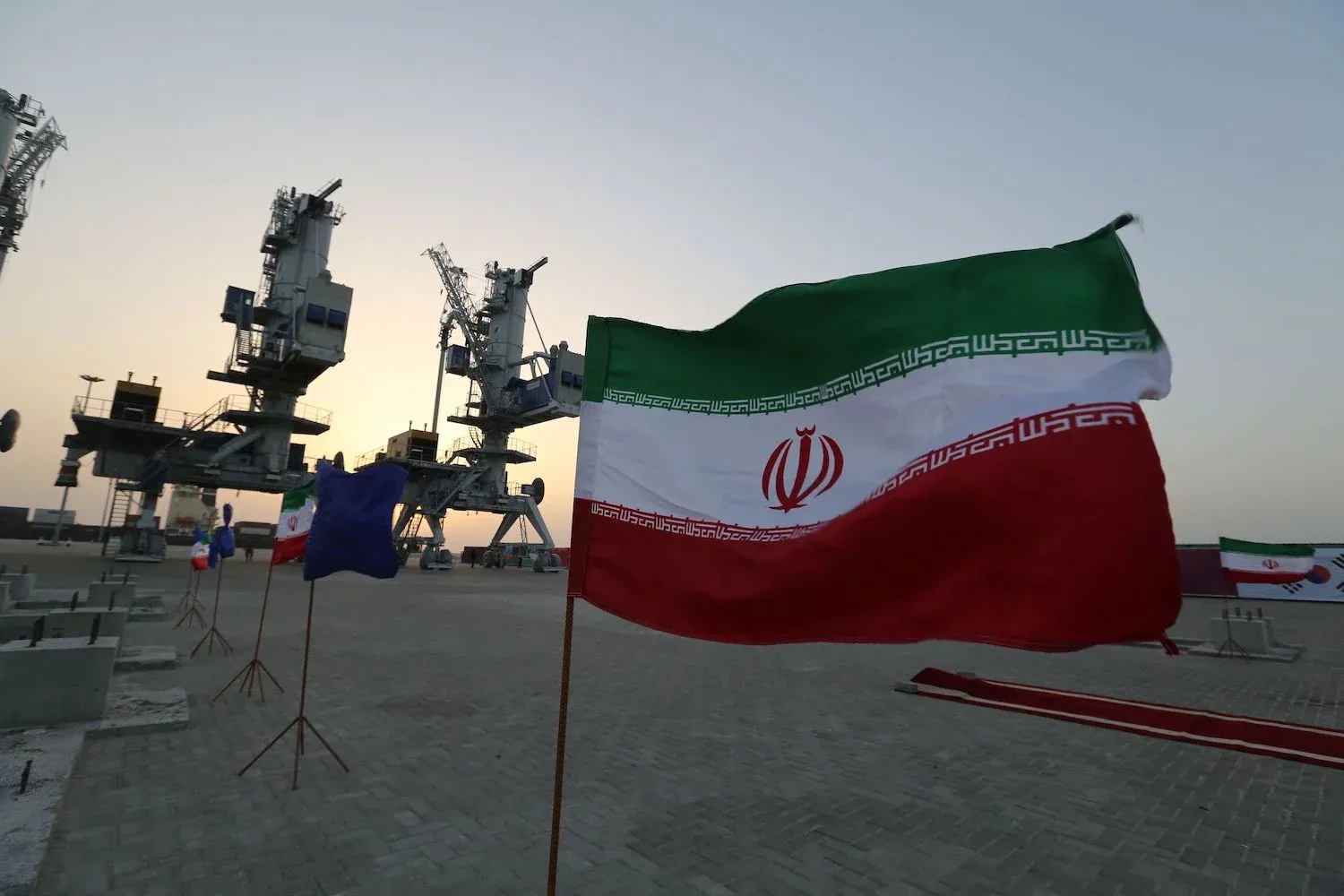
Foreign Policy reports that U.S. and Iranian forces are targeting civilian infrastructure, including bridges, power plants, and desalination facilities. The consequence for decision-makers is that these attacks could be assessed as war crimes, raising legal and diplomatic costs.
Attacks on bridges, power plants, and desalination facilities are already the story, and Foreign Policy’s framing matters because it puts a legal label on what many readers might otherwise file under “just conflict tactics.” The outlet notes that such attacks could be considered war crimes. That is not a nuance for later. It is the kind of threshold that can drive immediate scrutiny from governments, courts, and international bodies.
The reason decision-makers should pay attention is simple: civilian infrastructure is the backbone of daily life. Bridges move goods and people. Power plants keep hospitals running, factories operating, and refrigeration cold enough to avoid spoilage. Desalination facilities provide the water supply that communities cannot easily replace. When these targets are attacked, the harm is not abstract, and the legal question is not whether civilians suffer, but whether the targeting crosses a line. Foreign Policy’s statement that these attacks could be considered war crimes points directly to that crossing.
For executives used to thinking in terms of risk and compliance, this is a different category of “risk,” but it behaves similarly. Once conduct is plausibly within a war-crimes framework, consequences multiply. Governments may face pressure to respond more forcefully or to adjust their posture. International organizations may elevate investigations. Even companies that are not directly involved can feel downstream effects through disrupted supply chains, shifting insurance or compliance requirements, and faster-moving government scrutiny around sanctions and procurement.
The U.S. and Iranian forces both being implicated is also important. In most conflicts, the story is not only what one side does, but how the other side uses that information. Competitive narratives can harden quickly when legal exposure enters the conversation. That means policy debates can become less about tactical decisions on the ground and more about strategic positioning in international forums. A legal characterization like “could be considered war crimes” can become a bargaining chip, a justification framework, or a reason to tighten enforcement.
From a regulatory background perspective, civilian infrastructure targeting has long been treated as uniquely sensitive under laws of armed conflict. The concept is straightforward: parties to conflict have obligations to distinguish between military objectives and civilian objects. While this briefing is not a legal treatise, the key takeaway from Foreign Policy’s statement is that bridge, power, and water-related targets are the kinds of objects that are typically presumed to be civilian in their function and impact. When attacks hit those systems, the “civilian harm” is not collateral damage in the reader’s imagination. It is the operational outcome.
Now widen the lens to the second-order implications for organizations operating near or through these regions. Even where firms are not directly targeted, infrastructure disruptions can cascade into energy price volatility, water constraints that affect manufacturing and agriculture, and logistics breakdowns that delay shipments. Boards and leadership teams may find themselves dealing with harder questions faster than usual: What is our exposure to regions where civilian infrastructure is under attack? Are counterparties compliant with evolving legal and sanctions regimes? Do our risk disclosures adequately cover geopolitical and legal developments that can affect contract performance?
Finally, the strategic stakes for peers in leadership roles are about governance under uncertainty. When conflict escalates and legal scrutiny rises, the “cost of delay” becomes real. The entities that can absorb disruption are often the ones that prepare their decision-making processes for scenarios where information becomes legal evidence and diplomatic rhetoric becomes institutional action. Foreign Policy’s point that attacks on civilian infrastructure could be considered war crimes is a reminder that these moments do not stay on the battlefield. They move into boardrooms, compliance calendars, and executive risk registers.
This story's Key Insights and Take-aways are locked.
Create a free account to unlock Executive Actions for one credit.
Register to UnlockAlways free for Executives Club members. Join the Club
More in Politics

LA County: DOJ's 20,000 'noncitizen' voter list is 'unreliable,' includes U.S.-born
Preliminary review by Los Angeles County election officials finds errors in the federal list, raising the stakes for voter roll integrity ahead of November.
Trump's $1.5B Pentagon chip investment lands in North Carolina
A $1.5 billion defense infusion for North Carolina chipmaking signals a new era of Pentagon-backed reshoring - here's what it means for the industry.
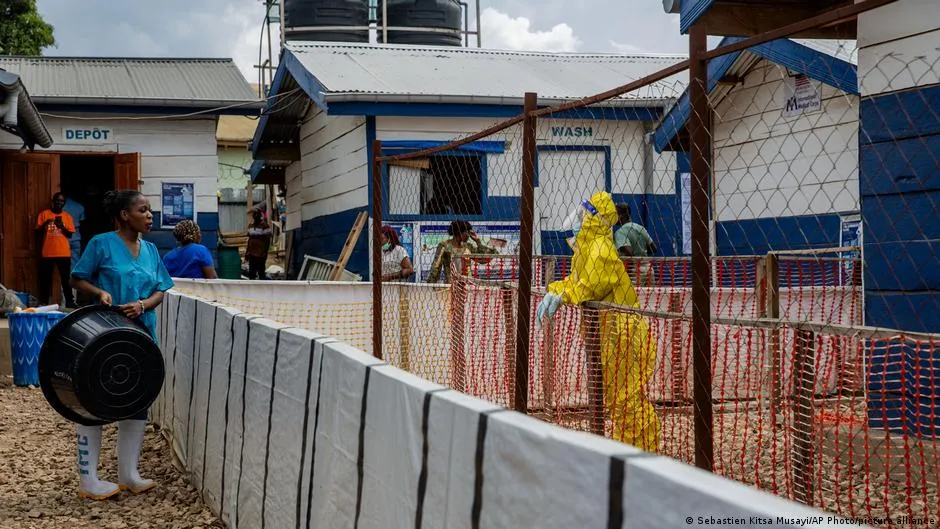
Nigeria confirms first Ebola case in Abuja, a woman just off a Uganda flight
Health Minister Muhammad Ali Pate says the patient flew in from Uganda, putting Africa's latest outbreak on Nigeria's doorstep.