

U.S. exits Mexico tomato deal: 17% antidumping duty helps drive 20% higher prices
A June 2025 antidumping move, combined with weather and energy costs, keeps U.S. produce inflation stubborn.
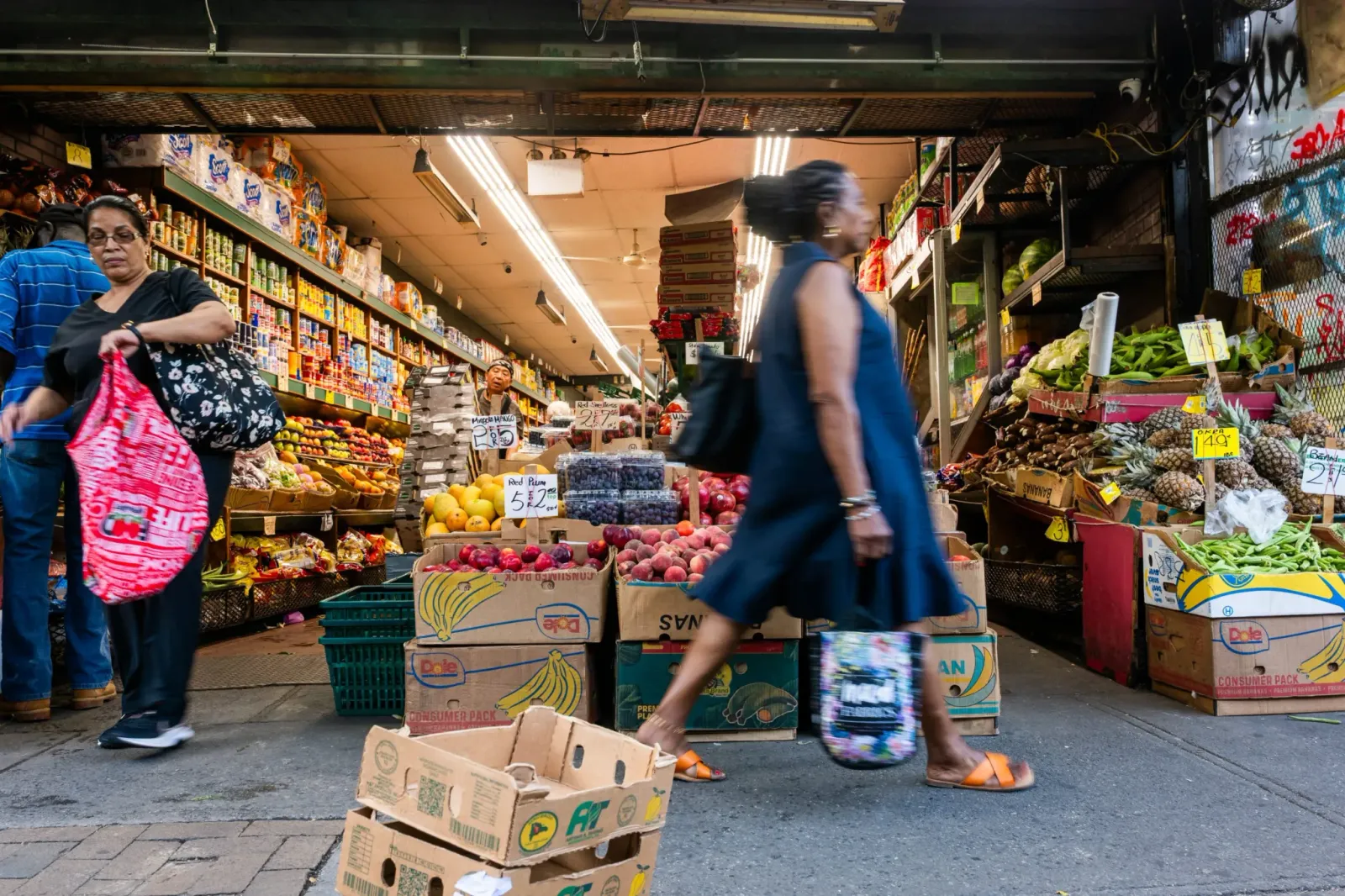
An agricultural economist explains how the U.S. Commerce Department withdrew in June 2025 from the U.S.-Mexico Tomato Suspension Agreement, triggering a 17% antidumping duty. For decision-makers, the mix of trade, weather, labor, fertilizer, and fuel shocks suggests inflation relief will be slow and uneven.
If you think the “tomato spike” is just seasonal, the paperwork says otherwise. When the U.S. Commerce Department withdrew in June 2025 from the U.S.-Mexico Tomato Suspension Agreement, it effectively imposed a 17% antidumping duty on most Mexican tomato imports. The result shows up in the numbers shoppers care about: tomato prices spiked by roughly one-fifth from June 2025 to June 2026, according to consumer price data published by the U.S. Bureau of Labor Statistics. And because imports account for about three-quarters of the U.S. tomato supply, with Mexico supplying the overwhelming majority of foreign-grown tomatoes, U.S. consumers ultimately picked up the tab.
This wasn’t just a tariff story. The source also notes that reports suggest Mexican tomato production declined after the agreement ended, and that tomato imports dropped by 13% year over year. Less supply hitting U.S. shelves in a market where domestic production cannot simply replace all of that volume helps explain why costs stick even after the original policy move. In other words, a trade decision rippled straight through the supply chain and into retail price tags, not via theory, but via duty math and import flow.
Zoom out from tomatoes for a moment, because lettuce is doing its own version of the same bad-news math. The source reports lettuce prices jumped by about 32% during the same 12-month period, while prices for all fresh vegetables increased about 10%. Fresh fruit rose less sharply, with apples up 7% and citrus fruit prices rising 6%. The common thread is that produce pricing is not controlled by one knob. It is shaped by supply shocks and cost shocks that travel together across multiple crops and multiple months.
For the supply side, weather disruption is the blunt instrument. Unusual freezes in Florida in early 2026 hit a range of crops, including citrus, strawberries, blueberries, tomatoes, and sweet corn. The effect is straightforward but painful: yield losses reduce available supply, and reduced supply tends to push prices up. Imports also matter, especially in winter and early spring when domestic production is limited. And when adverse weather lands at the same time trade policy changes, the system gets less elastic. Tomato imports falling 13% year over year after the end of the agreement is the source’s example of how that stacking can magnify price pressure.
On the cost side, the source points to labor, energy, and fertilizer as interconnected drivers that squeeze farms and the logistics network that moves fresh food. Farming is labor intensive. For years, worker shortages have compelled farms to hike wages, and producers report that paying more for labor adds to rising production costs. Fertilizer prices are also described as spiking due to disruptions linked to the Iran war, including effects on the flow of goods such as fertilizer and oil passing through the Strait of Hormuz. The source cites U.S. government data showing fertilizer prices paid to manufacturers jumped by more than 20% year over year in June 2026, and nitrogen fertilizer prices increased 46%.
Then comes fuel, which matters because produce is perishable and refrigerated transport is non-negotiable. The source says fuel prices were roughly 27% higher over the year tied to the Iran war, and that this has a pronounced effect on refrigerated truck rates. Those rates were 20% higher in June 2026 compared with June 2025, according to data from the U.S. Department of Agriculture. The second-order implication for boards and finance teams is that transportation costs often move through both upstream production and downstream delivery. Even if farms manage inputs, the “get it to your store” part of the equation can keep rising.
This is why broad relief may not come quickly. The source emphasizes that farmers have limited control over the prices they receive for their products, because market prices are largely set by supply and demand, including imports. It also notes that producer costs account for only about one-third of the retail price for fresh produce, meaning increases are not always fully passed through directly. Still, the supply chain can accumulate multiple cost pressures at once. That combination is what tends to keep inflation “sticky,” particularly when the shocks are policy-driven and weather-driven rather than purely demand-driven.
For shoppers, the consequences show up in purchasing behavior, and that matters to anyone thinking about consumer spending, brand resilience, or margin risk. The source warns that food inflation hits household budgets, especially for low-income Americans who may be more sensitive to price increases. It also cites a May 2026 survey of shoppers: 1 in 3 households reported a drop in fresh produce purchases as a result. When consumers reduce fresh purchases, they search for substitutions that keep health goals intact at a lower price point.
The source offers a menu of workarounds executives should recognize because they point to shifting demand: certain produce and legumes have been less affected, including bananas, oranges, potatoes, dried beans, peas, and lentils. It also says canned and frozen fruit and vegetables can save money because longer shelf life reduces the role of weather and transportation. Prices for processed produce increased just 3% year over year, and 2.4% for frozen. The substitution is already visible in consumer choices: 1 in 5 shoppers reported shifting from fresh to frozen produce. For decision-makers, this is not just personal budgeting. It is a real-time read on where volume may migrate when fresh inflation persists.
The strategic stakes are clear. Produce inflation is being driven by overlapping shocks: extreme weather, labor and fertilizer costs, fuel and shipping rates, and policy fallout like the U.S. exit from the U.S.-Mexico Tomato Suspension Agreement and the 17% antidumping duty that followed. That breadth suggests the system will take time to rebalance, which means the “price relief window” many shoppers hope for may be later and less uniform than they want. And as fresh supply costs continue to strain budgets, the search for cheaper alternatives, including frozen and shelf-stable options, may keep reshaping demand patterns across the food supply chain.
This story's Key Insights and Take-aways are locked.
Create a free account to unlock Executive Actions for one credit.
Register to UnlockAlways free for Executives Club members. Join the Club
More in Business

Uber buys Delivery Hero for nearly $15B, vaulting to top food delivery outside China
The deal doubles Uber's dual-services footprint and pushes a ride-and-eats bundling play into 50 more markets.

Epic and Google drop settlement bid, forcing rival Android app stores by July 22
Google told the court it is ready to carry third-party app stores starting Wednesday, July 22.

SK Hynix opens at $170, raises $26.5B, and tops foreign IPO records
In Friday's Wall Street debut, SK Hynix turns AI RAM demand into a $26.5B fundraising moment that rewrites comps.