

U.S. hospitals hire Filipino nurses for remote monitoring, but the Philippines gets squeezed
Remote staffing is easing U.S. shortages and costs, while potentially worsening shortages at home in the Philippines.
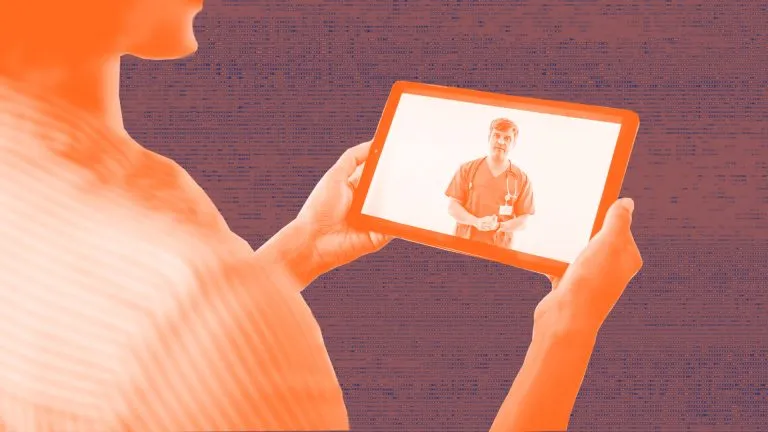
U.S. hospitals are increasingly hiring Filipino nurses for remote roles that monitor patients and fill staffing gaps, driven partly by cost savings. For healthcare executives, the move may stabilize care in the U.S. while aggravating labor strain in the Philippines.
A new model of nursing is showing up in U.S. hospitals: Filipino nurses monitoring patients remotely, sometimes watching up to 10 patients in intensive settings. The idea is straightforward. Hospitals use remote care to close staffing gaps and, according to the source framing, do it with cost savings. But that same model creates a harder story elsewhere, because the Philippines may face shortages that get worse as nurses shift into these U.S.-bound jobs.
At the center of this shift is how one nurse and healthcare administrator, Chris, describes his work. In his role, he decides on appropriate treatments for patients, checks vital signs, and monitors patients remotely. He also says that sometimes he monitored up to 10 patients in intensive care. That detail matters because it hints at what remote monitoring really is: not a casual “check in,” but a higher-stakes workflow where nurses are effectively managing multiple patients’ status at once.
So why are U.S. hospitals leaning into this? Staffing gaps are real. Healthcare is the kind of industry where even small labor shortages can ripple quickly into longer waits, heavier workloads, and delayed care. Remote roles let hospitals keep coverage when hiring locally is slow, expensive, or constrained. The source also points to cost savings as a driver, which is not surprising in a sector where margins can be thin and labor is among the biggest line items.
The friction comes from the second-order effect across borders. If hospitals recruit heavily from one country for remote healthcare work, the labor market in the source country can tighten. The source explicitly flags that the practice may be aggravating shortages in the Philippines. That means the same decision that looks like a fix for the U.S. workforce can deepen the underlying problem for the Philippines’ healthcare system, particularly if demand pulls nurses away from local roles or if remote work changes how nurses choose between working locally versus abroad.
There is also a regulatory and operational complexity layer that executives should not ignore, even when the business logic looks clean. Remote monitoring touches clinical judgment, patient safety, data flows, and responsibilities across jurisdictions. U.S. hospitals typically need to ensure they are meeting requirements for clinical oversight, documentation, and appropriate credentialing for caregivers. On the other side, Filipino nurses and the local system face their own pressures around workforce availability and how remote roles fit within national healthcare needs. The source does not detail specific regulatory actions or changes, but the basic reality is that cross-border remote clinical work is not just “moving a shift,” it is moving risk and compliance obligations.
For boards and operators, the strategic stake is this: remote staffing can be both a short-term stability lever and a long-term reputation and supply chain issue. In plain terms, hospitals are not only buying labor, they are participating in a global allocation of scarce healthcare talent. If the Philippines is indeed pushed into worse shortages, the practice can become harder to sustain socially and politically, and potentially harder operationally if workforce availability changes.
For peers considering similar models, the question is less “is remote monitoring possible?” and more “what happens when every hospital does this at once?” If demand increases, the Philippines may have less flexibility to absorb the shift. If the U.S. continues to lean on remote monitoring, staffing stability may improve in the short run while labor constraints elsewhere intensify. That is the tradeoff embedded in Chris’s day-to-day reality: remote monitoring of up to 10 patients shows what hospitals gain in coverage, but it also foreshadows the pressure points in the labor market supplying that coverage.
In the end, this story is a stress test for healthcare leadership. U.S. executives are chasing operational continuity and cost management, but the system they are tuning is connected to another country’s healthcare workforce. The source’s warning is clear: while remote Filipino nursing roles may help fill U.S. staffing gaps, they may also aggravate shortages in the Philippines. When you balance both sides, the real challenge is building staffing strategies that do not simply export scarcity.
This story's Key Insights and Take-aways are locked.
Create a free account to unlock Executive Actions for one credit.
Register to UnlockAlways free for Executives Club members. Join the Club
More in Technology

EU tells Facebook and Instagram: their “addictive” design violates the Digital Services Act
The European Commission claims Facebook and Instagram use illegal engagement mechanics, forcing platform leaders to rethink product incentives fast.
EU says Meta’s “addictive” Instagram and Facebook designs breach digital rules in preliminary report
The EU’s preliminary findings put Meta on the regulatory clock and force boards to think beyond growth metrics.

US floats removing the steering wheel, EU requires a camera on your face
Two regulators answer the same safety question with opposite technology, and carmakers will have to pick a side anyway.