
UC Davis proves an ALS brain implant can speak with 99% accuracy for 3,800 hours
A Nature Medicine study reports nearly 2 million words, 56 words per minute, and independent work.
Researchers at the University of California, Davis published in Nature Medicine that an ALS patient used a brain implant to speak independently for more than 3,800 hours over two years. The results suggest a practical path toward high-accuracy communication without constant researcher involvement, which matters for healthcare product and regulatory planning.
Here is the headline-level claim, confirmed with specifics: in a Nature Medicine study published Monday, a man with ALS used a brain implant to speak independently for more than 3,800 hours over the past two years. The system produced nearly 2 million words at an average speed of 56 words per minute, with 99% accuracy.
Even more “real world” than the accuracy numbers, the study reports that the patient could work full time and speak without needing researchers. That combination of long-duration use, high accuracy, and independence is what turns this from a lab demo into something closer to an operating product. If you are building, buying, investing in, or governing assistive neurotechnology, this is the kind of evidence that changes what stakeholders think is possible.
To understand why this matters, it helps to know the typical shape of brain-computer interface (BCI) breakthroughs. Many early systems focus on proof-of-concept, such as short sessions, carefully managed conditions, and intensive setup. In practice, that creates a gap between “it works” and “it works every day.” This UC Davis work is trying to bridge that gap by emphasizing duration and autonomy: over the last two years, the patient reportedly generated nearly 2 million words and kept speaking independently, totaling more than 3,800 hours of use.
The study details also matter for performance interpretation. Average speed of 56 words per minute is not just a metric for speed nerds; it is a proxy for whether communication can keep pace with the flow of normal life. At the same time, 99% accuracy is a high bar for any system that converts brain signals into spoken language. In many communication technologies, accuracy is where trust lives. If a device is wrong too often, users end up self-correcting constantly or abandoning the system for reliable alternatives. The report's combination of high accuracy and sustained output is what makes decision-makers take notice.
Regulatory and clinical stakeholders will also care about the “researcher not needed” framing. If a technology requires frequent specialist sessions, clinics and payer systems have to budget for human support as much as hardware. That can complicate reimbursement, deployment scaling, and risk management. The study's emphasis on independent speaking suggests the system may reduce dependency on researchers after setup, which could make later real-world trials and health system adoption smoother than earlier generations of BCI prototypes.
There is also a product management angle that boards should recognize. Longevity data, like the reported 3,800 hours over two years, is often what separates a compelling pitch from a sustainable platform. Investors and executives know that “works for 30 minutes” is a different thing than “works through months of use with consistent performance.” The reported output volume, nearly 2 million words, implicitly signals stable operation over time. When leadership teams evaluate neurotechnology, this kind of sustained usage evidence can inform diligence questions around calibration drift, maintenance needs, and long-term user experience.
Second-order implications extend beyond ALS care. If this approach can be demonstrated as independent and high accuracy in a real patient experience, it pressures the broader BCI space to think about autonomy as a first-class feature, not an afterthought. It also raises competitive expectations for other teams pursuing similar goals. In healthcare innovation, teams do not just compete on technical performance. They compete on the total system experience: how much support is required, how smoothly it fits into a care environment, and whether it can scale beyond research centers.
For executives and board members overseeing digital health, medtech, or neurotechnology portfolios, this study is a useful reference point for what “deployable evidence” can look like. A Nature Medicine publication, a defined performance profile (99% accuracy, 56 words per minute), and a long-duration patient use narrative create a stronger basis for conversations with regulators, clinical partners, and payers. The strategic stake is simple: evidence that looks like daily use changes funding priorities, trial designs, and what “success” means in next-stage programs.
This story's Key Insights and Take-aways are locked.
Create a free account to unlock Executive Actions for one credit.
Register to UnlockAlways free for Executives Club members. Join the Club
More in Technology

Nvidia's $89B data center quarter: the 9 companies cashing in
The AI buildout is minting fortunes beyond GPUs, and memory, cloud, and cooling suppliers are riding the same wave.
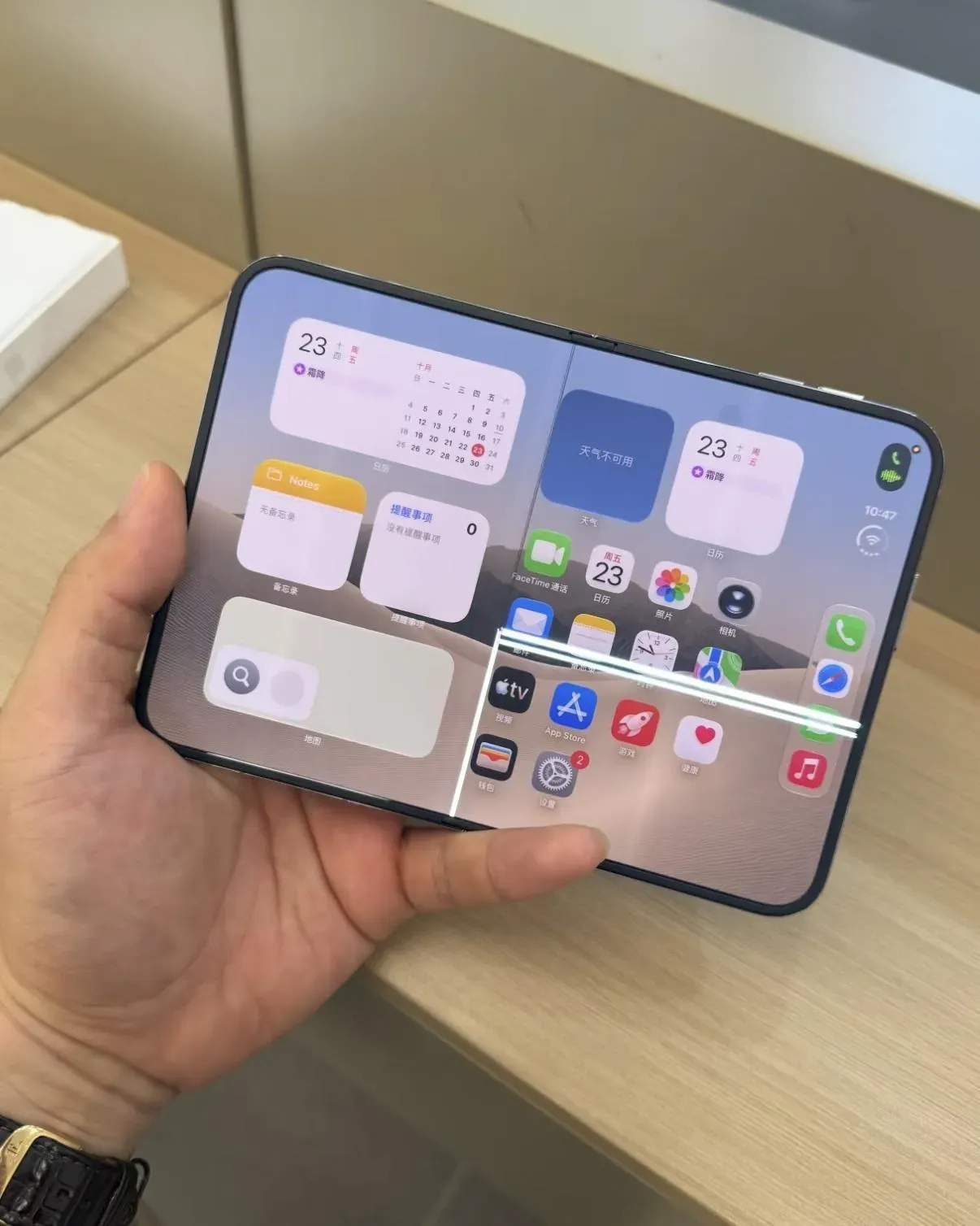
A YouTuber dissected the iPhone Duo and thinks he found crackgate's cause
CuriousHagi's teardown of Apple's foldable reveals a gear-like hinge that may explain why screens crack in the same spot within hours.

Google quietly links your phone number to every Android account on your SIM
Adding a SIM now ties your phone number to all Google accounts - and future accounts inherit it. Here's the security and privacy stakes.