

UK games workforce: 22% faced job losses in three years, UKIE reports
A new UKIE readout quantifies how redundancies and closures are reshaping hiring, budgets, and risk in UK studios.

UKIE says 22% of the UK games industry workforce experienced job loss in the last three years, including redundancies, studio closures, and the end of fixed-term contracts. For decision-makers, it signals persistent employment risk and forces a re-think of workforce planning and cost discipline.
UKIE is putting a hard number on the strain in the UK games industry: 22% of the workforce experienced job loss in the last three years. That includes redundancies, studio closures, and the end of fixed-term contracts. In other words, this was not a single spike. It was a sustained pattern, affecting nearly one in five workers.
The immediate implication for leadership is uncomfortable but clear. If job loss is this widespread, then workforce planning cannot be treated as a “business as usual” line item. The mix of causes matters too. Redundancies and studio closures point to company-level financial pressure, while fixed-term contract endings suggest work that became non-renewable, likely tied to budget cycles and production risk.
To understand why this number lands with such force, you have to remember how games businesses typically operate. Studios build multi-year roadmaps around uncertain demand, with product cycles that depend on cash timing, publisher relationships, and development schedules. Even when a studio is “fine,” it may still cut roles if a project slips, a market segment cools, or funding becomes more selective. Fixed-term contracts are often used to staff specific milestones. When those milestones change, the contract stops. So the figure UKIE reports is really a scoreboard for both financial stress and project uncertainty.
There is also a governance angle. When redundancies and closures spread across a workforce, boards and executive teams tend to face more than optics. They face harder questions about runway, cost structure, and scenario planning. For example, what fraction of the budget is committed before milestones land? How quickly can teams be rebalanced across live operations, new development, and tech or publishing work? How much risk is stored in “temporary” employment rather than embedded in the business plan? A 22% job-loss experience across the industry suggests that these questions have been more than theoretical.
UKIE’s breakdown references studio closures and contract endings alongside redundancies. That combination typically shows up when companies are not just cutting costs, they are exiting parts of the business or failing to convert planned work into sustained funding. Studio closures are the cleanest signal of a model that could not keep absorbing volatility. Contract endings show the same pressure with less visible finality, because they can occur without a headline “closure,” simply by not renewing terms. Together, they imply that workforce disruption has happened at multiple organizational levels: staffing plans, project portfolios, and whole-company viability.
For investors and finance leaders, the secondary effects can be equally important. Employment shakeouts often correlate with slower hiring pipelines, institutional knowledge loss, and uneven momentum across teams. When roles disappear quickly, it can damage delivery continuity. When teams shrink and then re-expand, productivity can dip. That creates a feedback loop. Production risk rises, budgets tighten further, and the conditions for more job losses remain. UKIE’s number does not prove causation, but it frames the environment executives are operating in: a sector where uncertainty is frequent enough to show up in employment data.
The strategic stakes for peer leadership are straightforward. If 22% of the workforce in the last three years has experienced job loss, then prudent leaders should assume that staffing volatility is a real industry-wide constraint, not an outlier. That matters whether you are a studio CEO, a finance chief, or a board member overseeing capital allocation. Your choices about contracting, project gating, and spend timing can determine whether layoffs are a last resort or a recurring tool. In a market where development cycles are long and outcomes are uncertain, UKIE’s headline suggests the industry has been absorbing shocks through people, and decision-makers now need a smarter way to absorb them through planning instead.
Ultimately, this is about resilience. A workforce disruption rate at the scale UKIE reports is a warning sign. It means the sector has been forced to reshape employment continuously, using redundancies, closures, and contract endings as shock absorbers. The question for executives today is not whether risk exists. It is whether the organization can build a plan that reduces how often risk gets paid for with job loss.
This story's Key Insights and Take-aways are locked.
Create a free account to unlock Executive Actions for one credit.
Register to UnlockAlways free for Executives Club members. Join the Club
More in Business

Uber buys Delivery Hero for nearly $15B, vaulting to top food delivery outside China
The deal doubles Uber's dual-services footprint and pushes a ride-and-eats bundling play into 50 more markets.

Epic and Google drop settlement bid, forcing rival Android app stores by July 22
Google told the court it is ready to carry third-party app stores starting Wednesday, July 22.
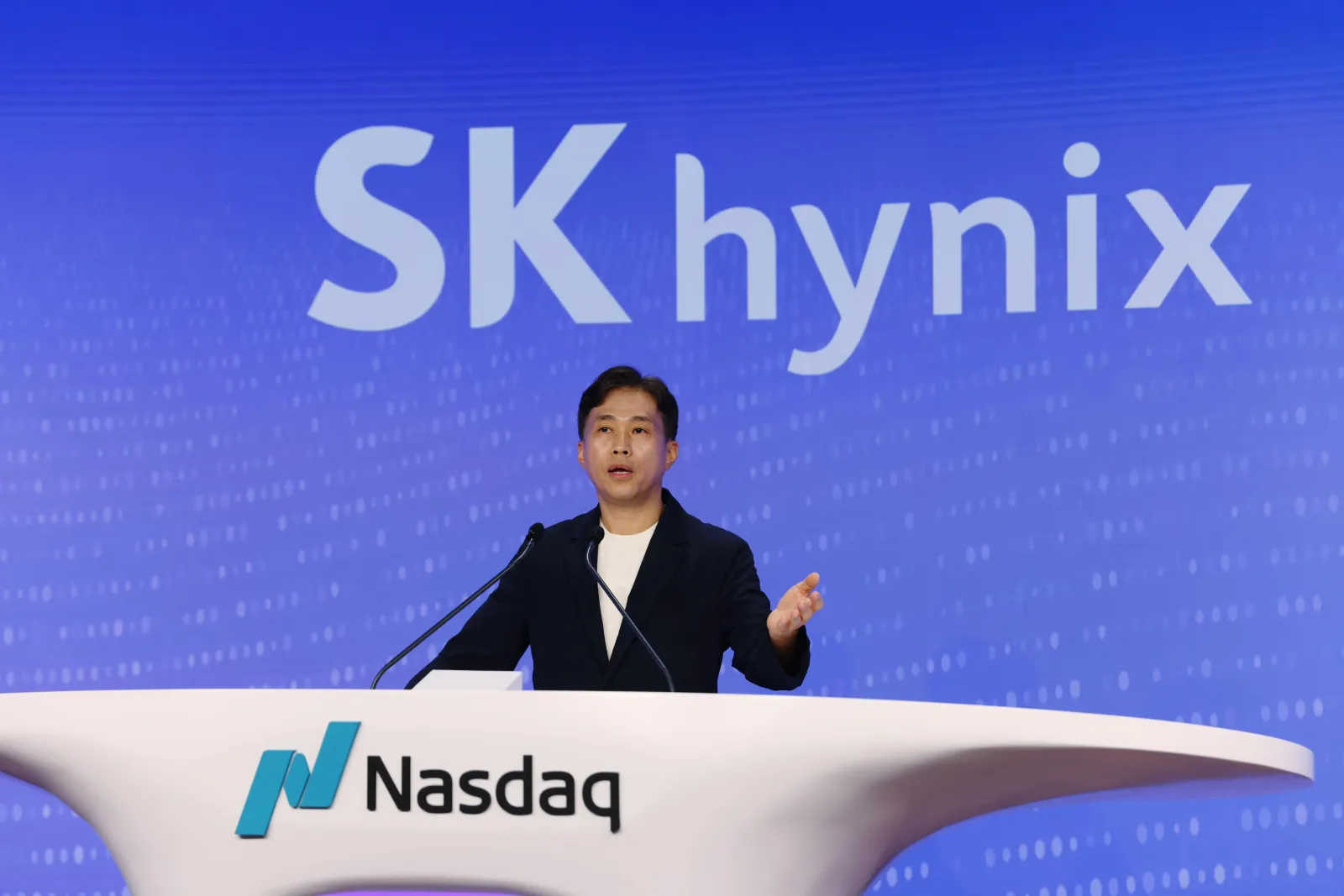
SK Hynix opens at $170, raises $26.5B, and tops foreign IPO records
In Friday's Wall Street debut, SK Hynix turns AI RAM demand into a $26.5B fundraising moment that rewrites comps.