
UK refuses bailout as Jaguar Land Rover plans 4,000 job cuts
Business secretary signals no taxpayer rescue as UK's biggest carmaker faces union talks over up to 4,000 redundancies.
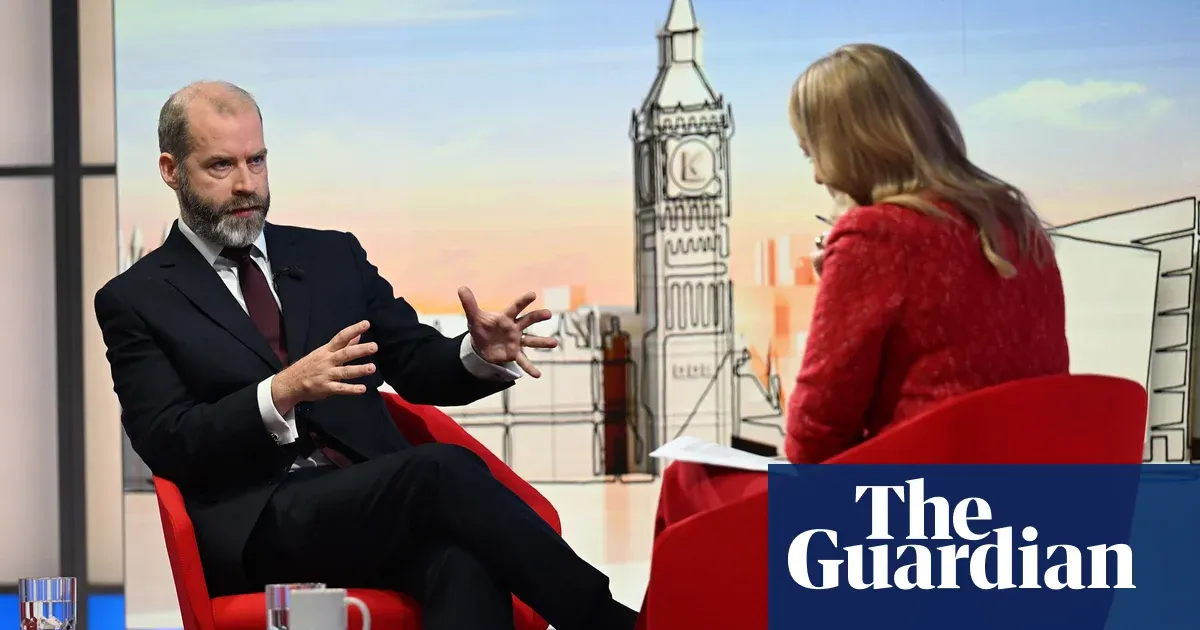
Business secretary Jonathan Reynolds said the government will not invest taxpayers' money to limit job losses at Jaguar Land Rover, which is planning up to 4,000 redundancies. The decision signals a hands-off approach for executives and boards facing tariff and competitive pressures.
The UK government has drawn a hard line on industrial bailouts, telling Jaguar Land Rover it will not spend taxpayer money to soften the blow of up to 4,000 planned redundancies. Business secretary Jonathan Reynolds made the stance explicit ahead of crunch talks on Tuesday between the carmaker, union leaders, and government officials, saying it was not his job to "intervene and run businesses." The number - 4,000 - represents roughly 10% of JLR's UK workforce, a scale that would ripple across the Midlands economy and beyond, yet the government is betting that market forces, not state support, should dictate the company's path forward.
JLR, the UK's biggest carmaker, is caught in a pincer movement: Trump tariffs on imported vehicles and components are squeezing its lucrative US sales, while Chinese competitors are flooding global markets with cheaper electric models. The company has not officially confirmed the redundancy figure, but reports of the scale emerged just before the talks, putting pressure on both management and unions to find a negotiated outcome. Reynolds' refusal to offer a bailout is a deliberate signal that the era of automatic state rescues for strategic manufacturers is over, even for a company that employs tens of thousands and exports a significant share of its production.
The government's position is not without political risk. JLR's plants in Solihull, Castle Bromwich, and Halewood are concentrated in constituencies that have historically been battlegrounds, and large-scale job losses could reignite debates about industrial strategy and the transition to electric vehicles. But Reynolds framed the issue as one of managerial accountability, not government responsibility. His comment, "intervene and run businesses," suggests a philosophy that boards and CEOs should own the consequences of their strategic choices, even when external shocks like tariffs are not of their making.
For executives across the automotive sector and beyond, the message is unambiguous: do not expect a taxpayer safety net when global trade winds turn. The Trump administration's 25% tariffs on foreign-made cars and parts have already forced several manufacturers to reassess their US exposure, and JLR's decision to cut jobs is one of the first major UK responses. The company has been investing heavily in electric vehicle development, but the cost of that transition, combined with tariff headwinds and aggressive pricing from Chinese rivals like BYD and Geely, has compressed margins to the point where workforce reductions appear unavoidable.
Union leaders are expected to push back hard in Tuesday's talks, arguing that JLR should exhaust alternatives such as voluntary redundancy, reduced hours, or retraining programs before resorting to compulsory layoffs. The government's refusal to fund a bailout does not preclude it from offering other forms of support, such as retraining grants or regional investment incentives, but Reynolds' language suggests those will be limited and conditional. For the company, the challenge is to manage the cuts without triggering a broader loss of confidence among investors, suppliers, and the skilled workforce it will need when the EV transition accelerates.
The broader implication for UK plc is stark: the state is signaling that it will not shield companies from the consequences of geopolitical trade shifts or competitive disruption. That stance may please fiscal hawks, but it leaves boards with a narrower set of options when external shocks hit. JLR's situation is a case study in how quickly a company can go from national champion to cautionary tale when tariffs and competition converge. The next few weeks will reveal whether the union talks produce a managed reduction or a more chaotic confrontation, but the government's position is already clear: the market will decide, and JLR must adapt or shrink.
For CEOs and CFOs in industries exposed to trade policy or disruptive competitors, the takeaway is to stress-test their own workforce plans against a scenario where no bailout is forthcoming. JLR's experience shows that even a company with iconic brands and strong sales can be forced into painful restructuring when external conditions turn. The smart play is to build flexibility into cost structures now, rather than waiting for a crisis to force the issue. And for boards, the lesson is to communicate early and transparently with both employees and government, because the window for negotiated solutions closes quickly once the headlines turn negative.
This story's Key Insights and Take-aways are locked.
Create a free account to unlock Executive Actions for one credit.
Register to UnlockAlways free for Executives Club members. Join the Club
More in Business

Apple unveils first foldable iPhone Duo with 7.6-inch display under new CEO Ternus
Apple's first foldable, the iPhone Duo, marks a major product bet for new CEO John Ternus, with a 7.6-inch unfolded screen.
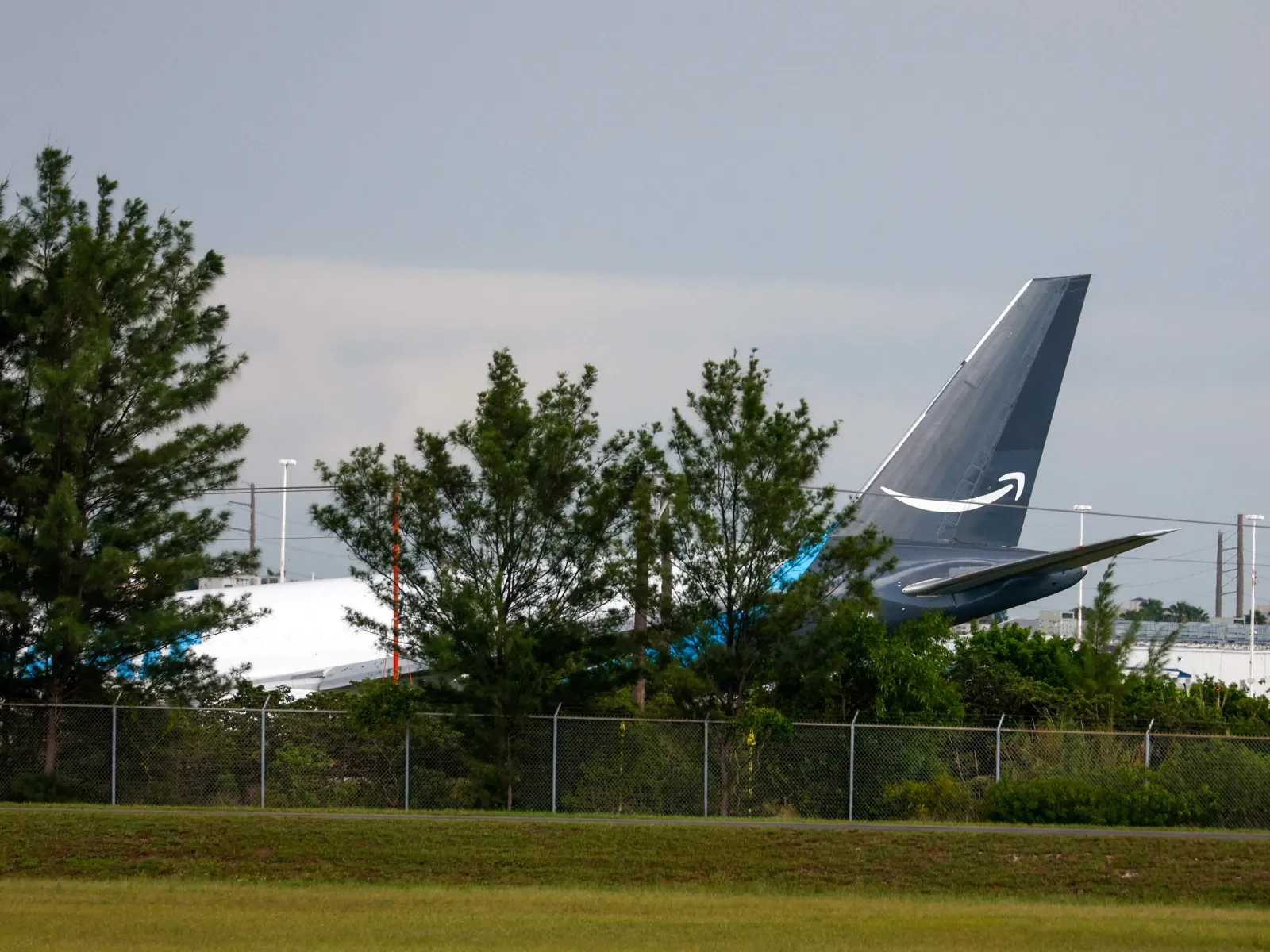
Amazon Prime Air 767 overshoots Miami runway, killing at least 5
The Boeing 767 freighter from San Juan struck vehicles and erupted in flames, prompting a ground stop and a fresh NTSB investigation into Amazon's air cargo network.
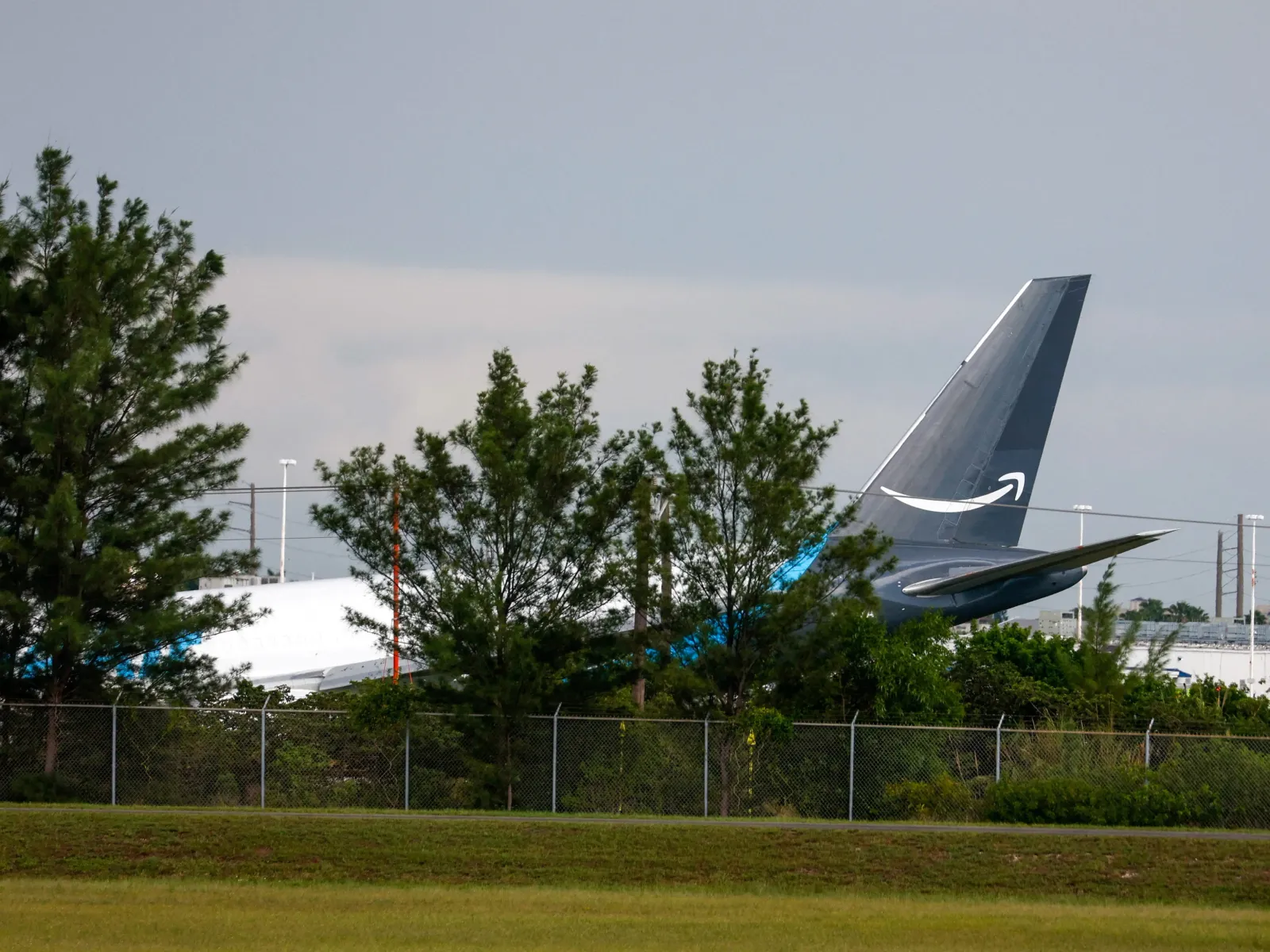
Amazon Prime Air 767 overshoots Miami runway, strikes vehicles, catches fire
The Boeing 767, operated by 21 Air, was arriving from San Juan when it overshot the runway, triggering a ground stop and multiple injuries.