
UN and Ethiopia open refugee legal-aid hub offering protection, free advice for displaced people
A new UNHCR support centre in Ethiopia starts giving refugees free legal advice and protection, changing how cases move.

Ethiopia and the UN refugee agency UNHCR have launched a new support centre offering refugees free legal advice and protection. For decision-makers, it raises the operational and legal stakes for aid delivery, compliance, and access to due process.
Ethiopia and the UN refugee agency UNHCR have launched a new support centre that offers refugees free legal advice and protection. It is a practical shift, not just a symbolic one, because legal aid changes outcomes. When someone is displaced, the difference between “waiting and hoping” and “knowing your rights and next steps” can determine what happens in the systems that control safety, documentation, and access to services.
For leaders watching humanitarian operations, this matters because the new hub does not only provide information. Legal advice and protection support help refugees navigate processes that are often opaque to people who arrive with trauma, interrupted schooling, and missing paperwork. In other words, this is where casework becomes real. A support centre that helps refugees understand and pursue their rights can reduce preventable errors, speed up referrals, and clarify pathways to help. It also signals that Ethiopia and UNHCR are treating legal support as core infrastructure, not an optional add-on.
At the same time, tonight’s France 24 roundup reminds us that emergencies and public services rarely move in isolation. Alongside the UNHCR launch, the edition reports Algeria is mourning the 11 people killed in a deadly orphanage fire, as investigators search for the cause. That item is about an investigation, but it points to a broader reality: when disasters hit, legal clarity and institutional follow-through are what turn grief into reforms. Even though the orphanage fire story is in Algeria and the refugee hub is in Ethiopia, both themes intersect at the same level of governance: how authorities respond, how accountability is established, and how vulnerable people are protected.
Now zoom back to Ethiopia, where the edition also notes that Drill music is booming, winning over young fans while fueling debate over its place in a conservative society. This might sound like a separate cultural story, but it is relevant for anyone running or advising on organizations in the region. Refugee support does not happen in a cultural vacuum. Youth movements, norms, and public debate shape what communities view as acceptable, which in turn affects local partnerships, messaging, and even the environment where services are delivered. If a society is actively debating modern music among its youth, organizations operating there must be sensitive to how change is perceived, and how community buy-in is earned.
For boards and executives in the humanitarian and development space, the UNHCR centre’s value is in what it implies about incentives. Agencies that deliver protection and legal advice are managing not only humanitarian need, but also trust. Refugees are more likely to engage with services when they see a credible pathway through systems. Legal advice can reduce fear of authorities and confusion about procedures, which is often the hidden bottleneck in displacement settings. The hub also creates a clearer responsibility structure for case handling, since legal support requires organized documentation, training, and consistent process.
There is also a second-order operational effect: when legal support becomes more accessible, the demand for related services tends to grow. People who learn their rights often ask follow-up questions, request documentation assistance, or seek referrals to safety and welfare resources. That can strain partner networks if those networks are not ready. In practice, the success of a legal-aid hub is not just about staffing. It is about coordination across actors who handle identity verification, protection decisions, and support services. UNHCR and Ethiopia launching the centre suggests they are trying to close those coordination gaps, at least for the legal piece of the puzzle.
Finally, the strategic stakes extend beyond one country. Refugee crises are international by nature, even when programs are localized. A new hub in Ethiopia can influence how peers design support centres elsewhere, especially in how they balance immediate assistance with protection and legal pathways. Executives should treat this as a signal that donors and major agencies are putting legal advice and protection on the critical path. In a world where displacement is often prolonged, “access to rights” is not a soft metric. It is a foundation that determines whether other aid programs actually land.
This story's Key Insights and Take-aways are locked.
Create a free account to unlock Executive Actions for one credit.
Register to UnlockAlways free for Executives Club members. Join the Club
More in Politics
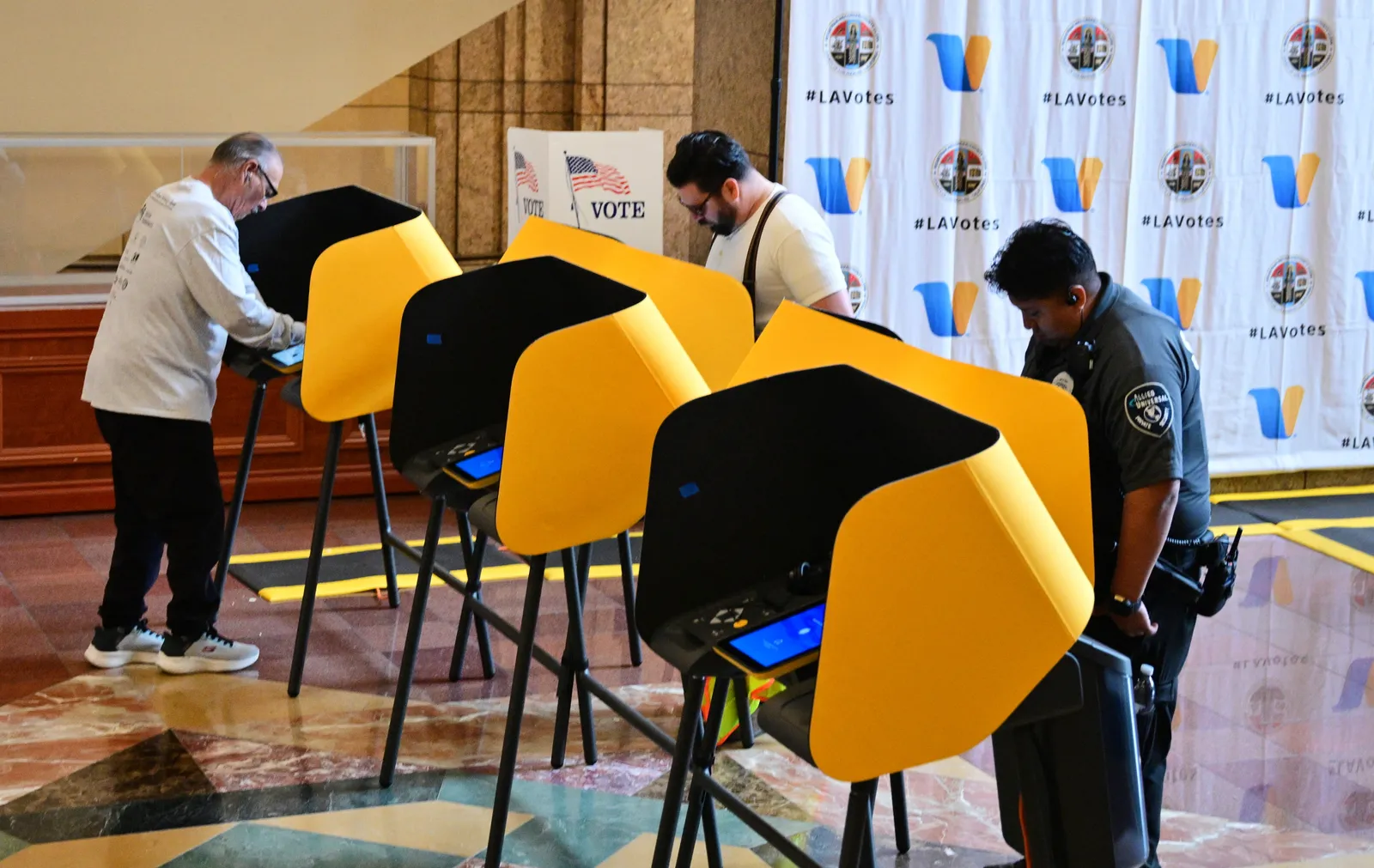
LA County: DOJ's 20,000 'noncitizen' voter list is 'unreliable,' includes U.S.-born
Preliminary review by Los Angeles County election officials finds errors in the federal list, raising the stakes for voter roll integrity ahead of November.

Trump's $1.5B Pentagon chip investment lands in North Carolina
A $1.5 billion defense infusion for North Carolina chipmaking signals a new era of Pentagon-backed reshoring - here's what it means for the industry.
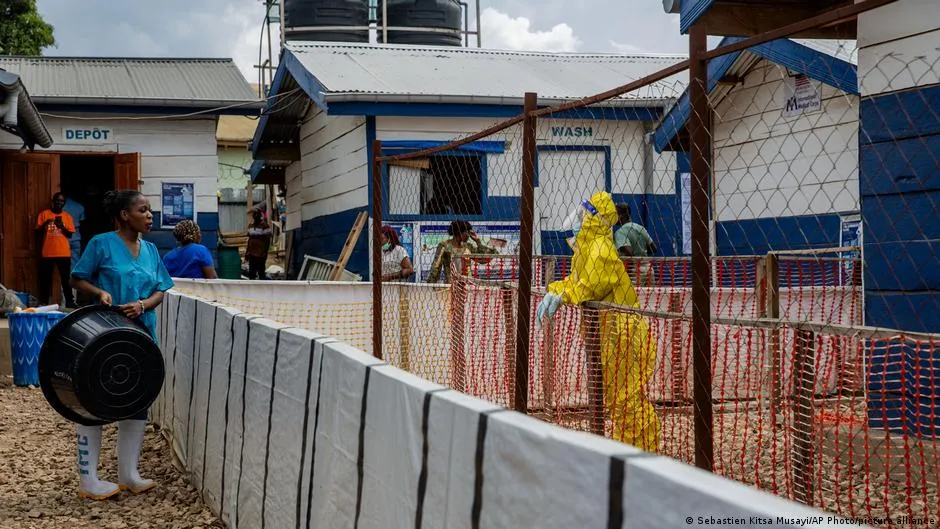
Nigeria confirms first Ebola case in Abuja, a woman just off a Uganda flight
Health Minister Muhammad Ali Pate says the patient flew in from Uganda, putting Africa's latest outbreak on Nigeria's doorstep.