

United lets passengers buy the middle seat. The airline says it costs less, too
A paid option for the middle seat is coming later this year, and it may reduce costs while selling a new product.
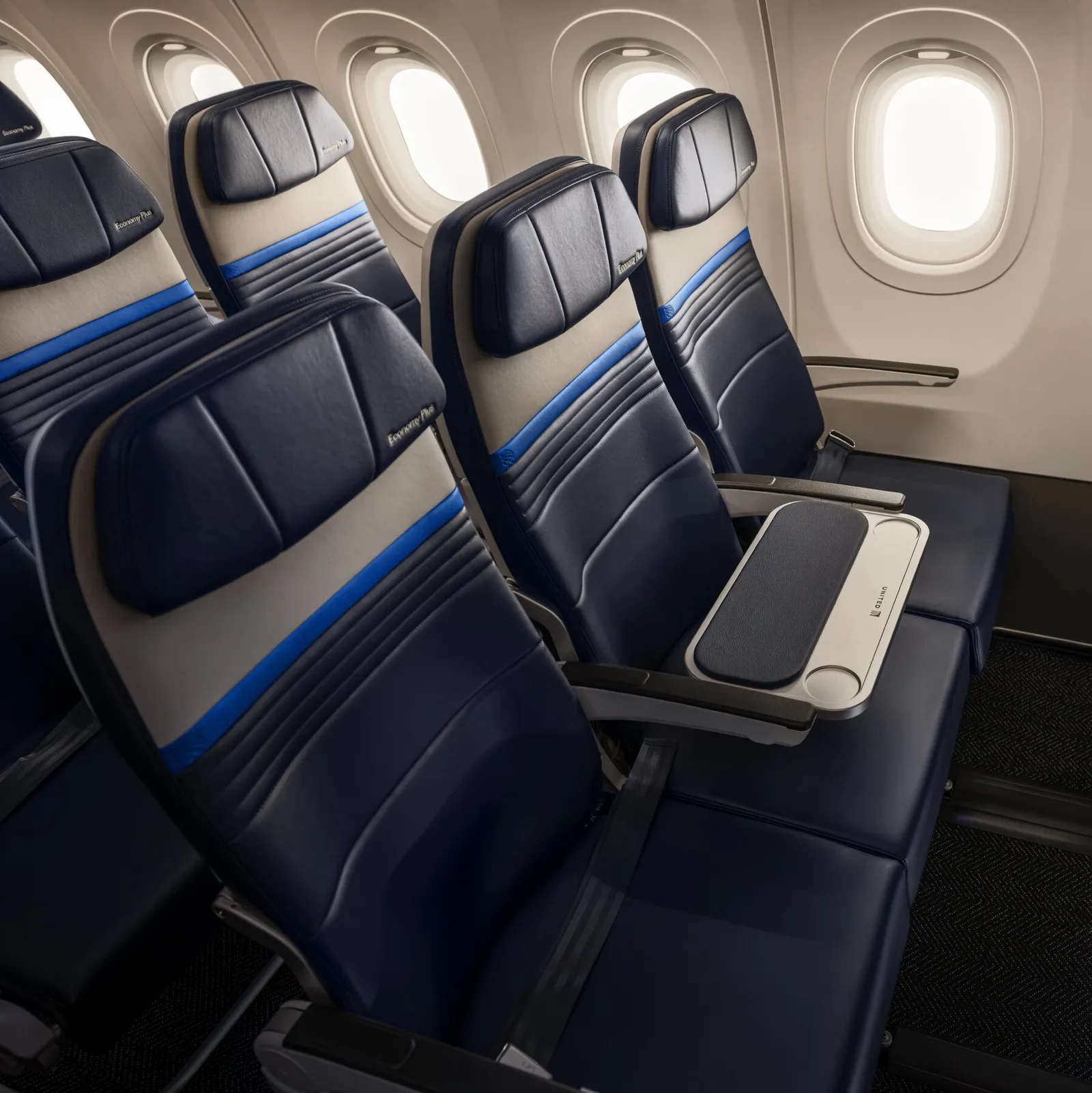
United Airlines is planning to sell an option on some flights later this year that lets passengers “take over” the middle seat for a price. The change includes a shared table in the middle seat and could lower United’s operating costs, not just create a new revenue line.
United Airlines is preparing to sell a new paid option for the middle seat on some flights later this year. The product centers on a shared table located in the middle seat, turning a space most travelers avoid into a monetizable experience.
This matters because the middle seat is usually where airlines quietly win or lose on margins. It is the seat people tolerate only because it is cheaper, and it is the seat that makes “customer experience” complaints easy. United’s move, according to the New York Times, is not just about selling something new. The paper reports that the option “may actually save the airline money,” even as it goes on sale later this year.
To understand why an airline would charge for the middle seat and then also believe it could reduce costs, you have to zoom out to how airline cabin real estate is managed. Airlines do not treat seats like standalone products. They treat them like inventory in a fixed system. Every extra passenger adds revenue, but every extra complaint, disruption, or operational hiccup adds cost. If you can design a middle-seat use case that reduces passenger friction or makes the product easier to manage, you can potentially protect throughput while shifting the cabin experience in a way that is operationally cheaper. The Times is pointing to that possibility with the “may actually save” language.
There is also the product design angle. A shared table in the middle seat changes the promise of the seat from “someone else’s problem” to “a usable space.” That can help an airline frame the seat not as a penalty but as a different kind of option. For passengers, the emotional math of flying changes when the worst seat is no longer just the default middle. For the airline, a seat feature like this can function as a differentiator in a market where airlines sell similar transportation wrapped in increasingly similar amenities.
Timing matters, too. The option is set to go on sale on some flights later this year, not everywhere and not immediately. That staged approach is common for testing new cabin products without committing the whole network at once. Airlines typically want to validate how often the option is purchased, how it affects boarding and seating assignment, and whether it creates any customer service workload that outweighs its value. If the option really can save the airline money, United still needs to prove that the savings do not get eaten by new complexity.
From a regulatory and consumer-protection perspective, seat assignment and pricing are areas regulators and courts have paid attention to historically, even if this specific middle-seat feature is more product design than a rule change. What matters for decision-makers is the transparency and the consistency of how the option is sold. When airlines sell seat-specific experiences, they are more likely to face scrutiny over how clearly customers are told what they are buying and what tradeoffs exist versus standard seating. The Times report is careful and limited on detail, which is typical for early announcements. But it flags enough to note that customers should expect a distinct product layer rather than a simple reconfiguration.
If United’s middle-seat option performs, it could pressure competitors to think harder about the economics of “unwanted” inventory. The middle seat is the easiest place to start when you are looking for marginal improvements, because airlines already sell the same seat type by changing price. Turning the middle seat into a table-based shared experience suggests a different lever: not just pricing, but altering perceived value and managing the customer journey. Even the possibility of cost savings, the Times notes, adds a second incentive. Revenue is one thing. Cutting costs is another. When an airline can potentially do both, boards and investors pay attention.
For executives at other carriers, the strategic stakes are straightforward. The airline industry is obsessed with unit costs because ticket demand swings but costs do not disappear. A new paid seat option that also “may actually save the airline money” is the kind of narrative that can shift internal budget allocations, cabin investment priorities, and even how customer experience initiatives are justified. United is essentially testing whether the product is not just sellable, but operationally rational. If it works on some flights later this year, the next question will be whether the model scales across routes and fleets without turning a clever seat feature into a costly new headache.
This story's Key Insights and Take-aways are locked.
Create a free account to unlock Executive Actions for one credit.
Register to UnlockAlways free for Executives Club members. Join the Club
More in Business

Uber buys Delivery Hero for nearly $15B, vaulting to top food delivery outside China
The deal doubles Uber's dual-services footprint and pushes a ride-and-eats bundling play into 50 more markets.

Epic and Google drop settlement bid, forcing rival Android app stores by July 22
Google told the court it is ready to carry third-party app stores starting Wednesday, July 22.
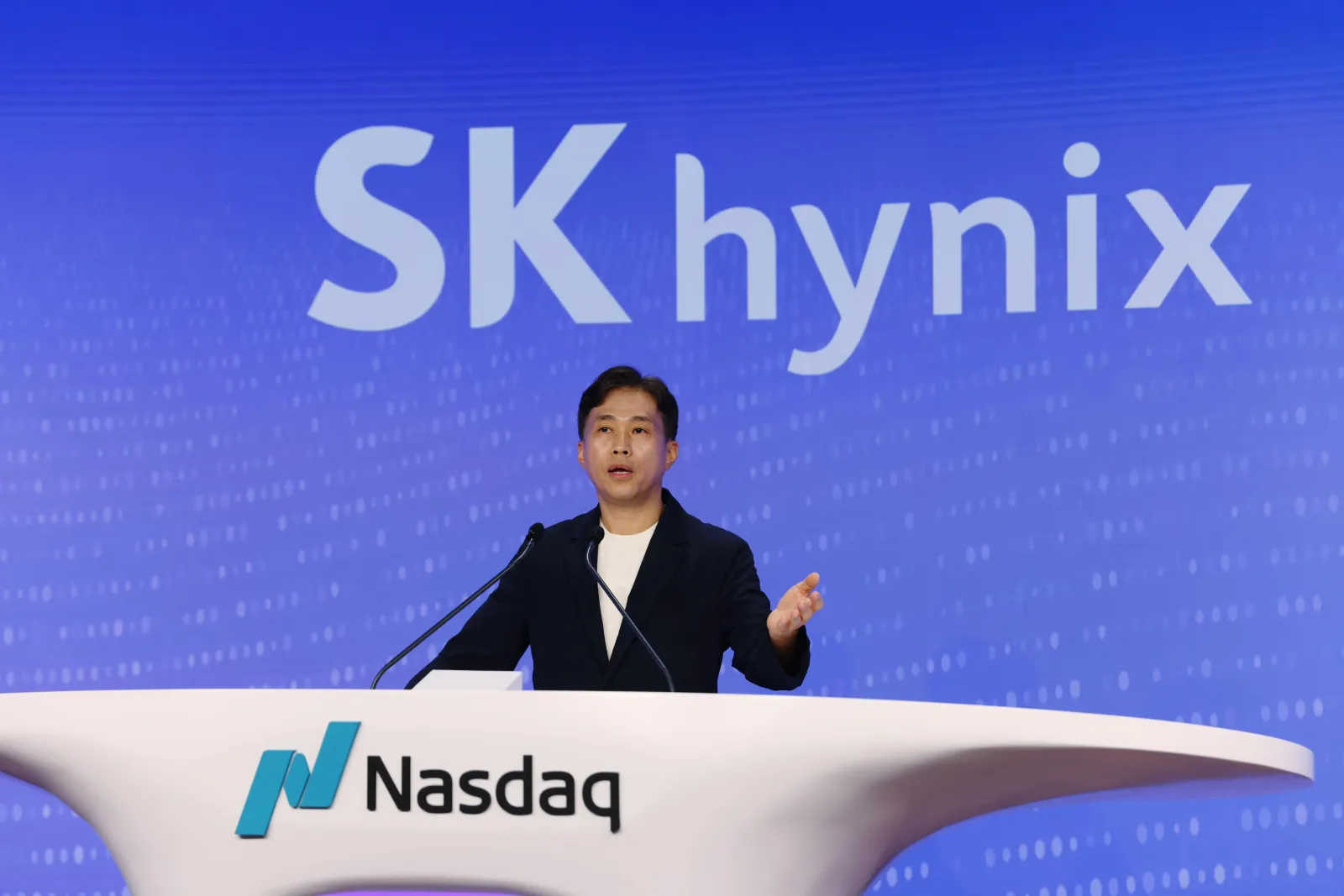
SK Hynix opens at $170, raises $26.5B, and tops foreign IPO records
In Friday's Wall Street debut, SK Hynix turns AI RAM demand into a $26.5B fundraising moment that rewrites comps.