

United says tech outage is resolved, but Saturday delays hit airports coast to coast
A “technology issue” snarled check-in, boarding, and bags nationwide before United restored operations.
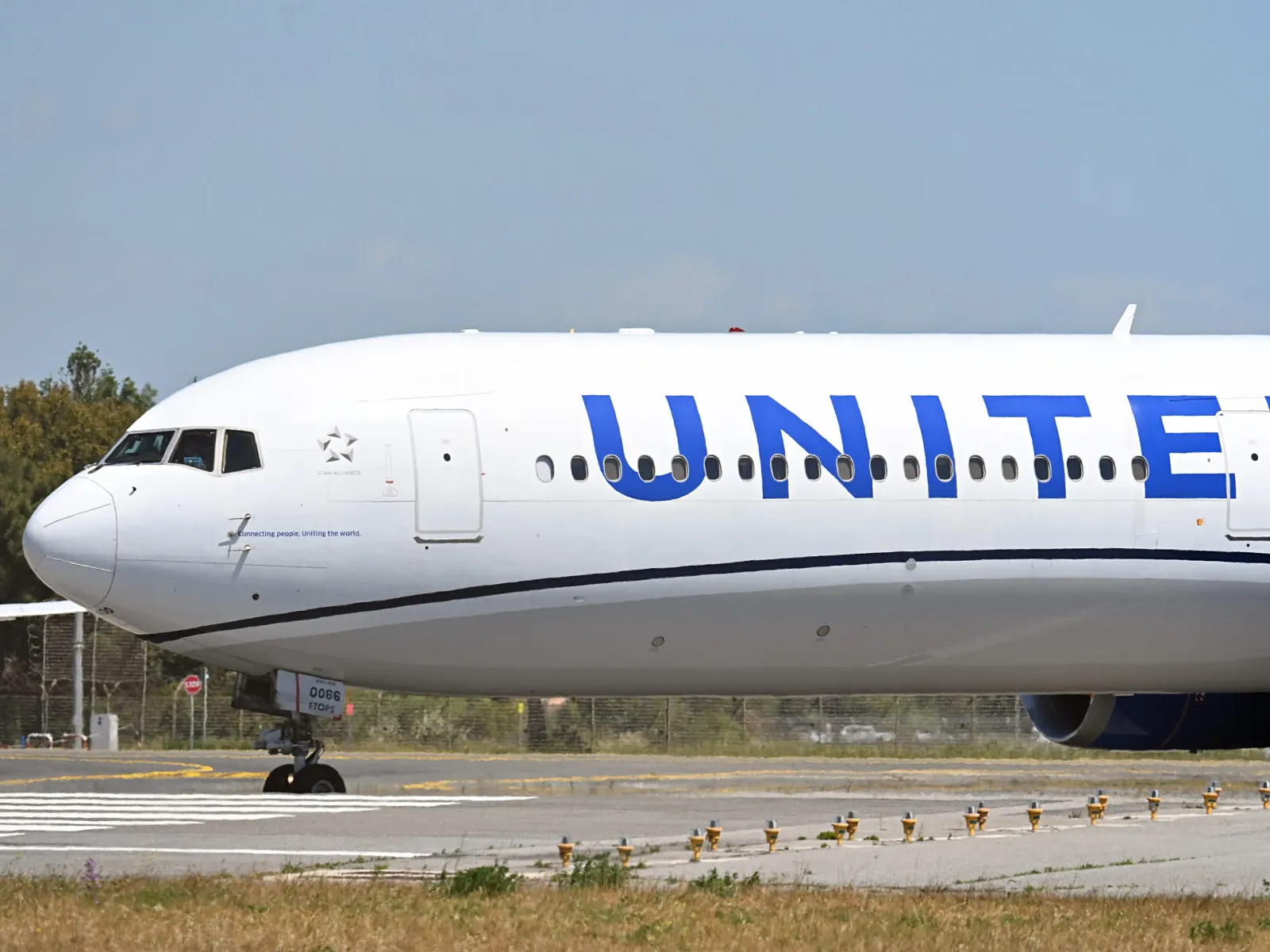
United Airlines delayed multiple flights across the U.S. Saturday morning after a technology issue disrupted systems. For decision-makers, the incident is a real-time reminder that operational tech failures can quickly spill into customer-facing and revenue-critical workflows.
United Airlines is telling passengers its early morning technology issue is resolved, after a technical outage delayed flights across the United States on Saturday. The disruption started before 7:40 a.m., and by 8:23 a.m. Down Detector had recorded more than 430 reports from travelers. In other words: this was not a small hiccup. It was the kind of systems problem that turns “where is my gate?” into “is anything working at all?” at major airports.
United also pointed to the scope of the outage. A spokesperson said operations were returning to normal after an early morning technology issue affected functions including contact centers and check-in processes. The practical effect for travelers was immediate and messy, from delays across routes to headaches checking in, boarding, and checking bags.
Based on what passengers reported on social media, the issue showed up at several major airports, including Washington Dulles International Airport in Virginia and Newark Liberty International Airport in New Jersey. The delays reportedly stretched from New York to San Francisco, illustrating how quickly a single technical fault can propagate through a national network. In airline terms, that is the worst-case pattern: the same core systems show up in multiple places at once, so “local” disruptions become “network” disruptions.
There is also a trust component here that matters to executives. When a tech outage hits, it does not just slow down planes. It disrupts the experience that passengers use to make sense of everything else, like whether they can check in, whether bags are tagged correctly, and whether support channels can handle reroutes or rebooking. United’s spokesperson specifically cited contact centers and check-in processes, which is a quiet but important clue. Those are the workflows airlines depend on to convert schedules into actual movement.
Down Detector’s timing underscores how fast this kind of incident becomes public. Passengers began reporting issues before 7:40 a.m. Saturday, and the count climbed rapidly, reaching more than 430 reports by 8:23 a.m. That matters for boards and operating leadership because it is the public scoreboard for operational stability. Even after a system recovers, the perception can lag behind. Travelers may still be stuck at airports, still waiting on staff, or still dealing with bag-handling problems that take time to unwind.
This is not the first time the airline industry has had to grapple with a technology outage with broad knock-on effects. The source notes that United was among several airlines that faced major disruptions after widespread tech outages related to a CrowdStrike update two years ago. At the time, the airline cautioned pilots they may be unable to communicate with ground services, and it was forced to cancel thousands of flights. Saturday’s incident is not described with the same level of operational detail in the report, and United says the problem has since been resolved. But the comparison is instructive for leadership: when connectivity and operational software fail, the airline has limited ability to patch reality in real time.
Second-order implications follow quickly. First, there is the operational resilience question: how fast can airlines restore the specific functions United listed, especially contact centers and check-in, without creating new inconsistencies like partial system recovery. Second, there is a staffing and process question: even when the systems come back, employees need time to clear queues, reconcile transactions, and confirm that bag status and boarding flows match what the schedule and aircraft assignments require. Third, there is the customer communications question: delays can be forgiven faster than confusion, and social media starts spreading confusion the moment passengers report issues.
For executives at other airlines, the strategic stake is straightforward. If you run an airline in 2026, you are effectively running a high-availability software and operations stack, not just flight operations. United’s experience on Saturday shows how quickly a technology issue can turn into nationwide delays, and how quickly public reporting can spike before resolution messages land. The goal for leadership is not only recovery, it is minimizing the blast radius and speeding up the transition from “system issue” to “passengers can move again.”
This story's Key Insights and Take-aways are locked.
Create a free account to unlock Executive Actions for one credit.
Register to UnlockAlways free for Executives Club members. Join the Club
More in Business

Uber buys Delivery Hero for nearly $15B, vaulting to top food delivery outside China
The deal doubles Uber's dual-services footprint and pushes a ride-and-eats bundling play into 50 more markets.

Epic and Google drop settlement bid, forcing rival Android app stores by July 22
Google told the court it is ready to carry third-party app stores starting Wednesday, July 22.
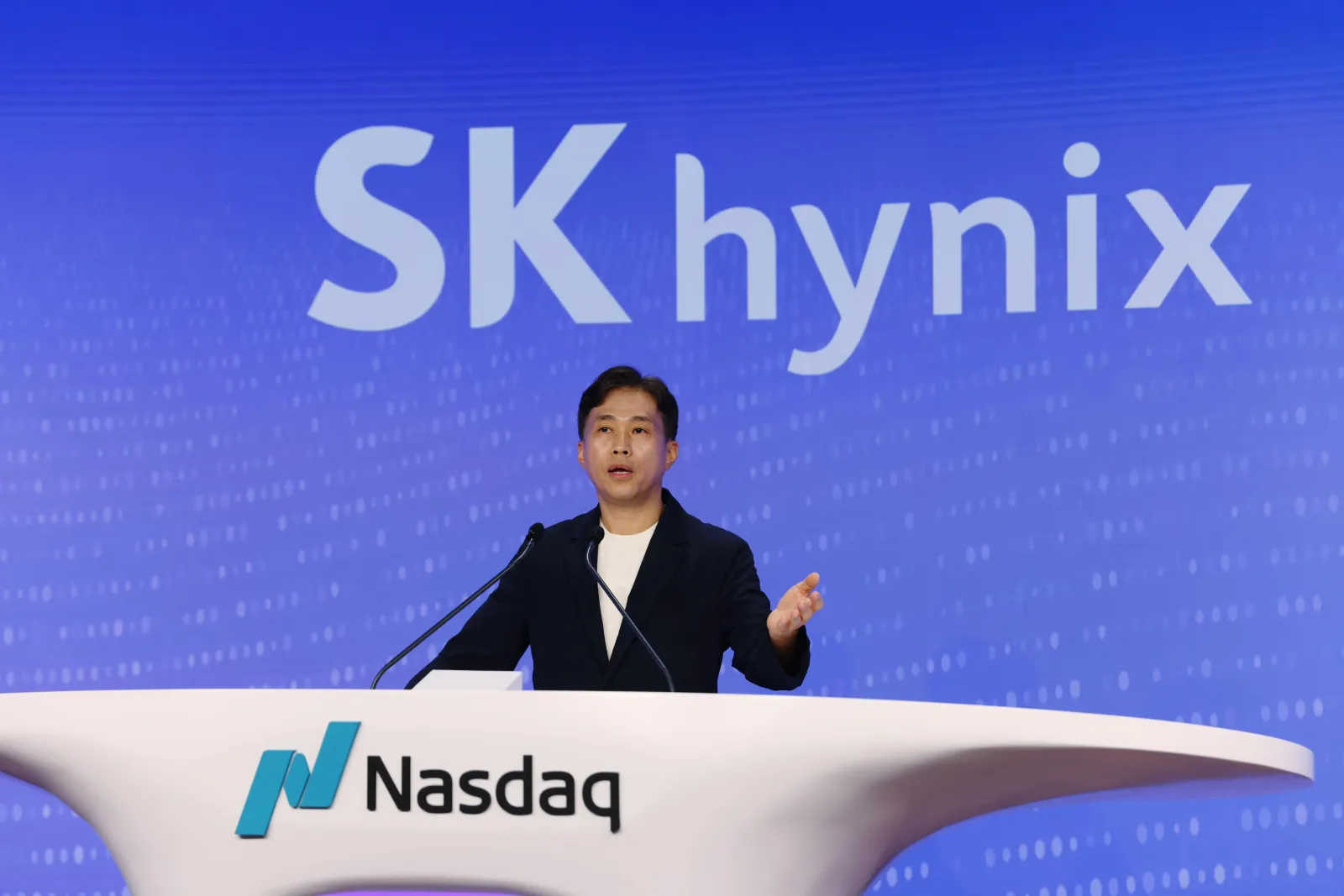
SK Hynix opens at $170, raises $26.5B, and tops foreign IPO records
In Friday's Wall Street debut, SK Hynix turns AI RAM demand into a $26.5B fundraising moment that rewrites comps.