

UnitedHealth blows past estimates, hikes outlook by cutting membership and costs
A margin-stabilization push, including exiting unprofitable contracts and $1.5 billion into AI, changes the earnings playbook.
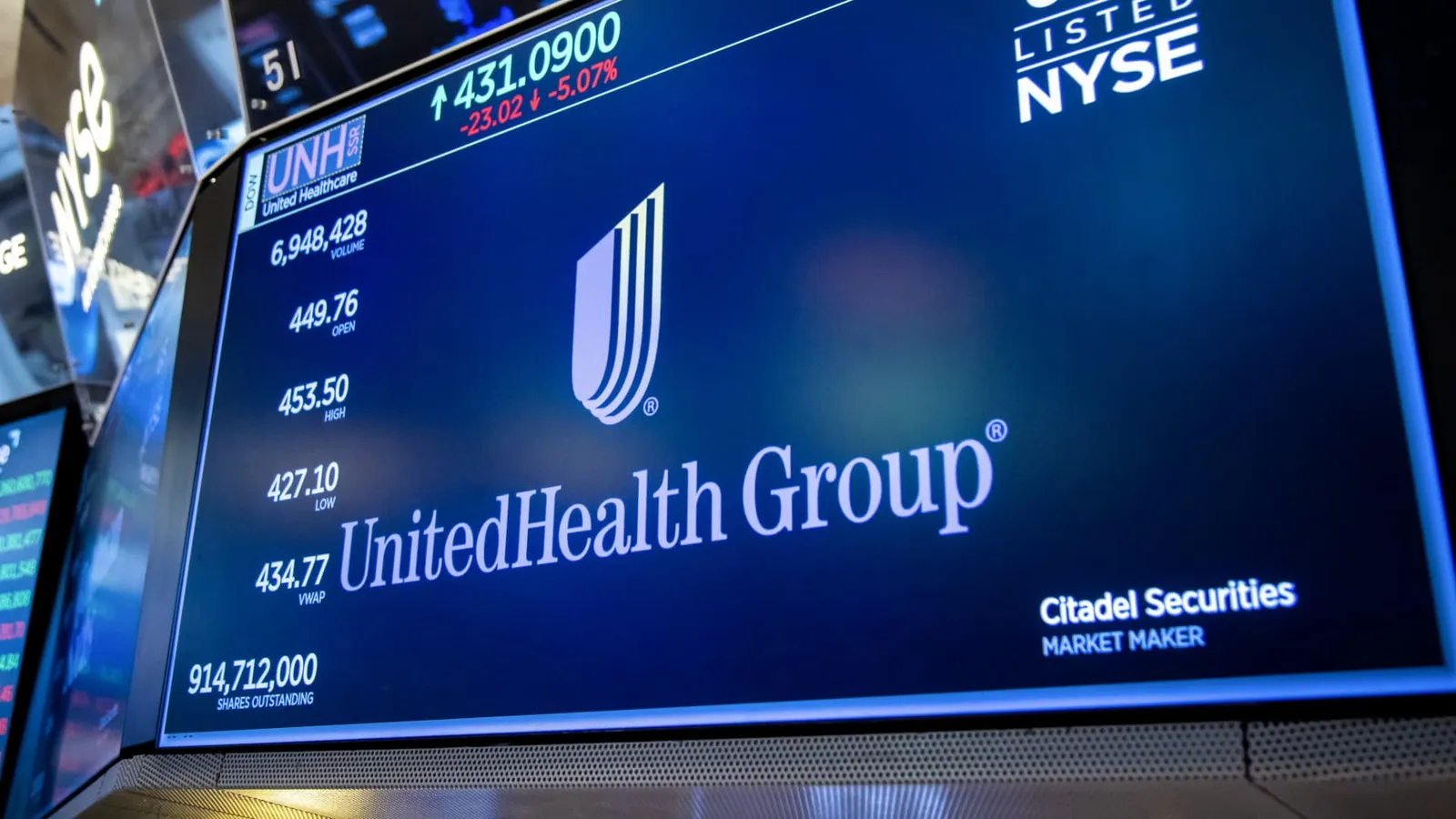
UnitedHealth reported results that blew past estimates and raised its earnings outlook as it reined in costs. The healthcare giant is shrinking membership, exiting unprofitable contracts, and investing $1.5 billion into AI to stabilize margins.
UnitedHealth just delivered a double dose of good news for anyone watching healthcare margins: it blew past estimates and hiked its earnings outlook. The “how” matters as much as the “what,” because the company is explicitly stabilizing margins by tightening the business it operates, not just hoping the market gets kinder.
CNBC reports that UnitedHealth is working to stabilize margins by shrinking membership, exiting unprofitable contracts, and pouring $1.5 billion into AI. Those three moves are a coherent strategy in a sector where costs, pricing risk, and utilization swings can derail quarterly narratives fast. The key is that the company is acting on the demand side (membership) and the supply side (contracts and operational efficiency), then backing that up with technology investment through AI.
To understand why this is a big deal, zoom out to how managed care typically works. Insurers and healthcare services companies make money by collecting premiums and paying out for healthcare utilization, plus overhead. If costs run hot relative to premiums, margins compress, and investors start asking whether management is controlling the machine or just describing it. In that world, “stabilizing margins” is not a feel-good phrase. It is the difference between predictable earnings and a story that turns into a fire drill each quarter.
UnitedHealth’s approach is also notable because it mixes short-term and medium-term levers. Shrinking membership can sound counterintuitive to people outside the industry. After all, bigger membership often means more premium volume. But when membership includes healthier risk profiles or better-aligned pricing, growth can be accretive. When it includes segments that drive higher utilization at unattractive rates, membership becomes a margin liability. By shrinking membership, UnitedHealth is effectively steering away from segments that are harder to profitably serve.
Then there is the contracts piece. Exiting unprofitable contracts is one of those moves that markets often discount until it shows up in financial results. It is also a governance-heavy decision, because contracts are intertwined with customer relationships, provider networks, and legal or operational commitments. Yet CNBC’s framing suggests management is willing to take the pain now to stop recurring margin damage later. Investors typically reward that discipline when the company pairs it with a raised outlook.
Finally, the $1.5 billion into AI is the modern accelerant. In healthcare, AI investment can be used across claims processing, care management, forecasting, fraud detection, and operational workflows. CNBC does not detail exactly where within UnitedHealth the $1.5 billion is going, but the purpose is clear in the story: support margin stability. In other words, the AI spend is not a vanity project meant to win press. It is positioned as part of the earnings engine.
This is where second-order implications kick in for executives and boards at peers. When a large healthcare player openly tightens membership and exits unprofitable contracts, it sends a signal that the margin environment is tough enough to require active restructuring of the risk pool, not just incremental cost cutting. And when it pairs that with a raised earnings outlook, it implies management believes the changes will be durable, not temporary. That matters because peers are watching not only the results, but also the confidence level embedded in guidance.
There is also a regulatory and compliance context underneath all of this. Healthcare is highly regulated, and contract pricing, membership arrangements, and data use are all subject to rules and scrutiny. While CNBC does not mention specific regulators or filings in this excerpt, the broader industry reality is that executives cannot simply optimize away constraints. So, a strategy that includes membership reduction and contract exits needs to be designed to fit the regulatory frame, not around it. Pair that with AI, which typically triggers heightened attention on data governance and model risk, and the board-level stakes rise.
Bottom line: UnitedHealth is not just reporting strong numbers. It is using targeted operational moves, including shrinking membership, exiting unprofitable contracts, and investing $1.5 billion into AI, to stabilize margins and support a higher earnings outlook. For leaders across managed care and adjacent healthcare services, the message is clear: the path to steadier earnings likely runs through choosing the right risks and upgrading execution, not just waiting for conditions to improve.
This story's Key Insights and Take-aways are locked.
Create a free account to unlock Executive Actions for one credit.
Register to UnlockAlways free for Executives Club members. Join the Club
More in Business

Uber buys Delivery Hero for nearly $15B, vaulting to top food delivery outside China
The deal doubles Uber's dual-services footprint and pushes a ride-and-eats bundling play into 50 more markets.

Epic and Google drop settlement bid, forcing rival Android app stores by July 22
Google told the court it is ready to carry third-party app stores starting Wednesday, July 22.
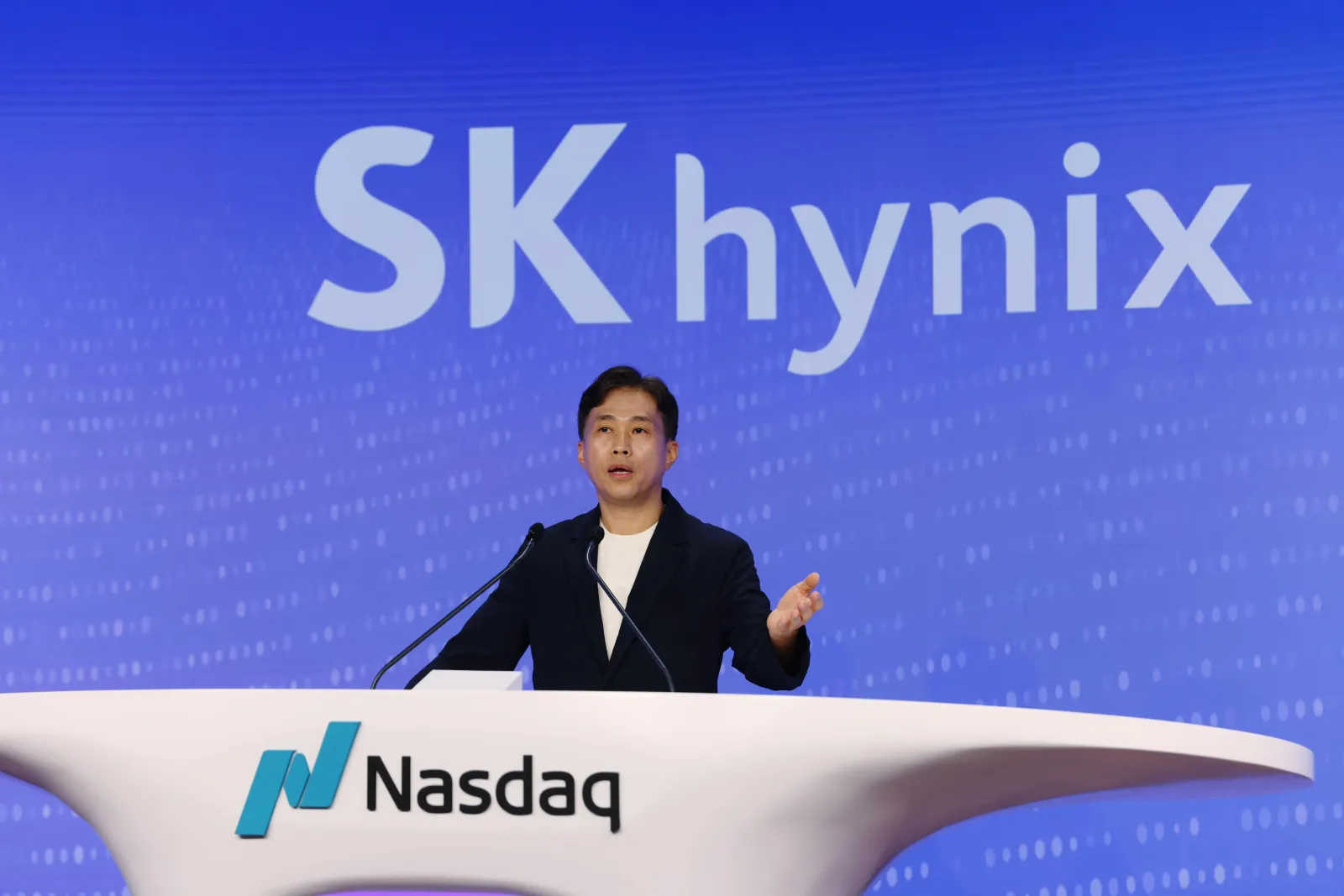
SK Hynix opens at $170, raises $26.5B, and tops foreign IPO records
In Friday's Wall Street debut, SK Hynix turns AI RAM demand into a $26.5B fundraising moment that rewrites comps.