

Universal Kids Resort brings Disney-style “cradle” strategy to Texas, launching July 1
Universal is betting a smaller, IP-heavy park for ages 3-8 will feed bigger Orlando parks and its $10B parks engine.
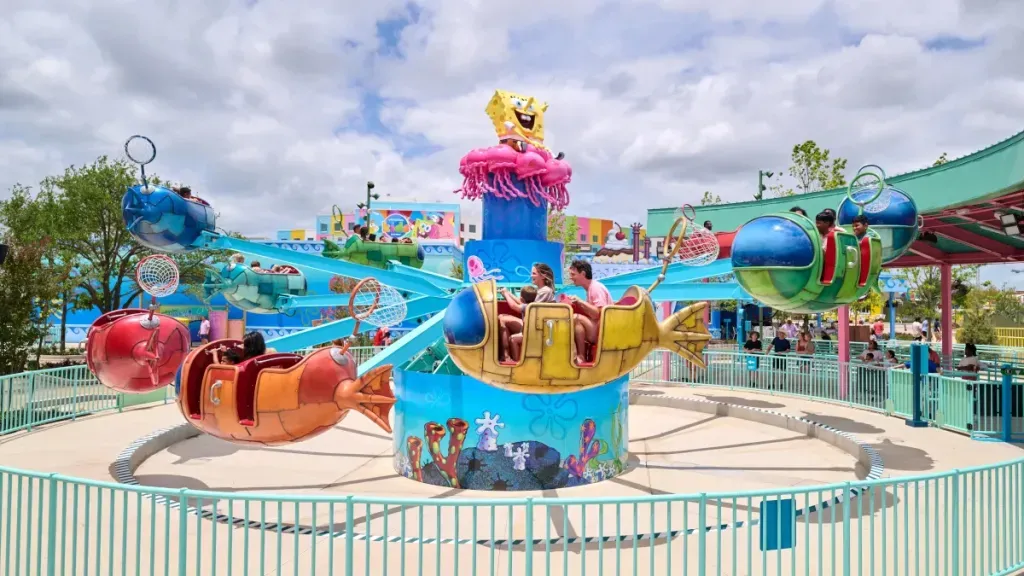
Page Thompson, president of UDX New Ventures at NBCUniversal, is steering Universal Kids Resort, Universal’s first theme park built specifically for young children, opening July 1 in Frisco, Texas. For decision-makers, the move signals how Universal is using parks to hedge volatility in movies and TV while extending character fandom earlier than Disney typically does.
FRISCO, Texas is 93 degrees at 10am, and Universal Kids Resort is designed for exactly one kind of problem: a four-year-old who is too young to care about billion-dollar immersion, but very interested in tiny, sprintable play. That is the point. The park, Universal’s first theme park made specifically for small children, opens July 1 and swaps the usual “step into the blockbuster” approach for kid-sized worlds built around familiar IP like Minions and SpongeBob Squarepants, plus a Trolls-themed caterpillar wooden playground that pulls my son away from everything else.
This is not a scaled-down version of Universal’s bigger parks. There are no massive “Fast and Furious”-style roller coasters and no 3D motion simulators. Instead, Universal Kids Resort is smaller in both scale and budget, and its experiences are meant to fit the attention span and height restrictions of kids between ages three and eight. The goal, according to executives, is to serve as a gateway to Universal’s larger summer destinations down the line, while also hooking families earlier on IP that can feed what Universal sees as its broader “Comcast flywheel.”
Universal Kids Resort also lands at a moment when the parks business is starting to look less like an accessory and more like the financial backbone. The parks segment generated nearly $10 billion in 2025, and the division is framed internally as a hedge against more volatile movie and TV businesses. That matters because Universal is still fighting a long-running battle with Disney over theme park domination, and because linear TV advertising has been cratering while the streaming wars continue, with NBCUniversal’s Peacock still losing money.
This “early fandom” logic mirrors Disney’s “cradle-to-the-grave” approach, where you embrace audiences at a young age and let the loyalty compound over time. Page Thompson, president of UDX New Ventures who oversees development of new resorts and parks, told TheWrap: “This is where young kids will go on their first roller coaster, where they'll meet the characters for the first time, and hopefully they form a love of those characters and those stories and they want to see the movies, they want to watch the TV shows, and then when they get older, they come to the big park. It’s sort of a rite of passage,” Thompson added, “I think that the success of this park will open up a lot of opportunities for us.”
Universal Kids Resort is structured to make that childhood progression feel natural. It’s catered specifically to ages three to eight, with lands dedicated to kid-friendly IP like Minions, Trolls, Shrek, Jurassic World and SpongeBob Squarepants, which Universal licensed from Paramount. The park is not ride-heavy like Universal’s other properties. Splash pads and playgrounds dominate, offering activities that do not require constant waiting in long lines. Still, kids are not left with only soft play: the park includes two kid-friendly roller coasters, one Trolls-themed and the other inspired by Jurassic World, plus a “Minions” water ride.
At a media preview in mid-June, the difference showed up immediately in my son’s behavior. Without the height restrictions that narrow the audience for Universal’s bigger parks to pre-teens and above, he could ride almost everything. The roller coasters were a hit, but the splash parks and playgrounds did the real work. You can feel the intended audience shift: this is a park where you are not “processing” adults and thrills, you are facilitating play for the first wave of coaster-goers.
The location is another deliberate break from the theme-park playbook. Universal Kids Resort sits in a medium-sized Texas city about 30 miles north of Dallas, specifically Frisco. Executives say market research highlighted the booming population and economy in North Texas as an opportunity for a park that could operate at a profit with mainly regional visitors, while hooking kids and families on IP that feeds into Universal’s larger “Comcast flywheel.” Thompson said Universal picked Frisco because of the millions of people already coming to Frisco for FC Dallas, the PGA, the Dallas Stars, and other events, plus easy access via the neighboring highway. The exec also pointed out the regional draw target: Texas and neighboring states like Oklahoma, Arkansas and Louisiana.
That plan is starting to show up in demand signals. Thompson said annual passes were already sold out, and a 300-room hotel connected to the theme park, owned and operated by Universal, is driving bookings for multi-day vacations or “staycations” from Texas residents. “That’s exactly what we hoped would happen, so we're very pleased to see that happening,” Thompson said. The broader scoreboard around Universal Parks also supports the idea that the segment is gaining momentum: in the first quarter, Universal Parks revenue increased 24% year over year to $2.4 billion, and Epic Universe, Universal’s fourth gate in Orlando, opened in 2025 and helped drive a 14% parks revenue increase last year.
Universal is also building more options beyond the Orlando template. Construction is underway on Universal’s first-ever U.K. theme park, a $6.7 billion investment in a massive 540-acre plot of land just outside London, rumored to include lands dedicated to James Bond and Peter Jackson’s “Lord of the Rings” films. Universal also brought its Halloween Horror Nights concept to Las Vegas in the form of a year-round horror attraction called Universal Horror Unleashed, where guests walk through a spooky venue with rotating themes located in AREA51, a shopping center/theme park concept designed by Gensler that includes Meow Wolf’s Omega Mart.
So why does a children-first park in Middle America matter to executives who already own the hardware? Because it is another entry point into the same customer lifetime value, just earlier. Thompson said Universal had “three areas to grow our business”: continue to build in existing parks and expand, including Epic Universe in Orlando and a “Fast and Furious” coaster coming; expand internationally with resorts including a London-area resort opening in 2031; and create new concepts for new audiences in new locations, which he said is where Universal Kids Resort fits. For boards and senior operators, it is a reminder that parks are not only about attendance. They are about timing, IP licensing, and building the next generation of guests before Disney’s “cradle” playbook becomes a permanent advantage.
This story's Key Insights and Take-aways are locked.
Create a free account to unlock Executive Actions for one credit.
Register to UnlockAlways free for Executives Club members. Join the Club
More in Business

A flaw in PHP just forced governments to pull their own sites offline
European agencies from Belgium to Germany took websites dark to patch a critical weakness in the language behind almost 70% of the web, and the blast radius extends far beyond government portals.

BioWare shuts down, Mass Effect 5 dead after $55B EA buyout
The legendary RPG studio's closure lands months after a $55 billion investment group buyout of EA, raising tough questions for gaming's biggest acquirers.
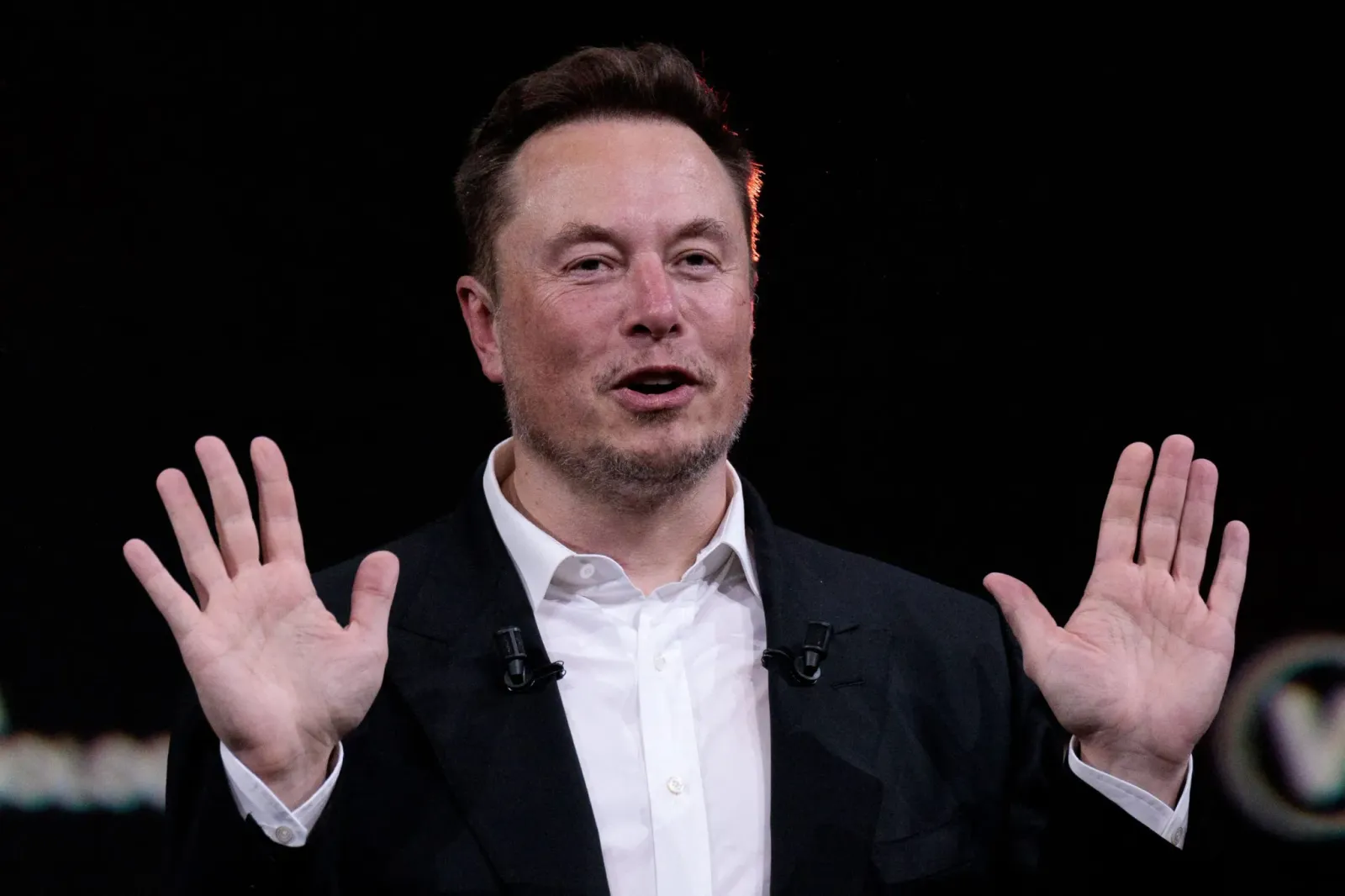
Musk barred from the room as Tesla, SpaceX boards weigh $3.5 trillion merger
The CEO of both companies is a 'conflicted party' watching independent directors negotiate a tie-up that would create a $3.5 trillion giant he would own about a third of.