

University of Queensland freezes koala eggs and sperm in liquid nitrogen to avert extinction
A new cryopreservation program plans to rescue genetic diversity for future IVF and artificial insemination, while screening for deadly chlamydia.
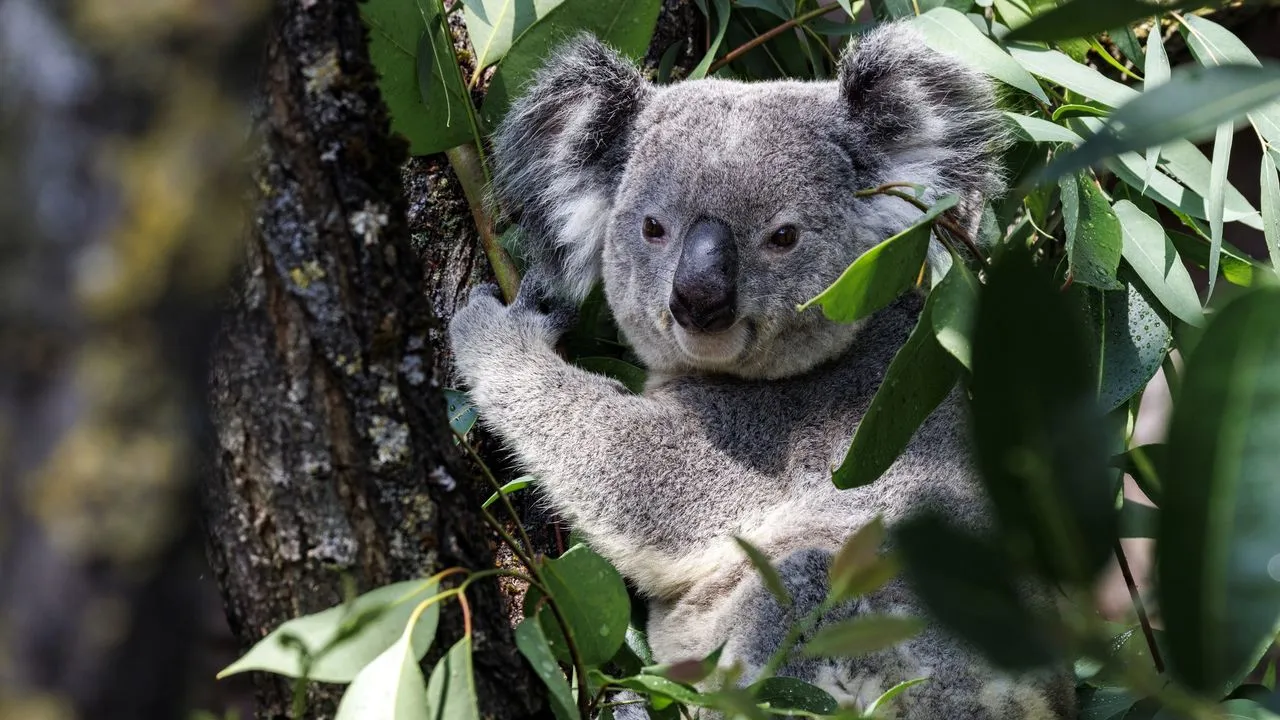
Researchers at the University of Queensland are deep-freezing koala eggs and sperm as a genetic backup using liquid nitrogen. The project aims to preserve DNA for decades so future conservation programs can create healthy embryos via artificial insemination and IVF, even as koala populations crash in parts of Australia.
Scientists at the University of Queensland are deep-freezing koala eggs and sperm in liquid nitrogen as a “genetic backup” to prevent future extinction. The idea is simple but high stakes: freeze the sex cells now, preserve the unique DNA for decades, and use it later to create healthy koala embryos through artificial insemination and in vitro fertilization (IVF).
The immediate payoff is conservation control. When koalas die, unique traits and diverse genes that may help them adapt to changing environments can be lost. The project, researchers say, is meant to store that valuable material safely and systematically so future conservation programs can “rescue and preserve koala spermatozoa and eggs” when the wild population can no longer supply enough healthy breeding stock.
This work is landing in a moment when Australia’s koala story has turned paradoxical. In some regions of Queensland and New South Wales, koala populations have crashed by as much as 80% since the late 1990s, driven by deforestation, bushfires, drought, and disease. That decline was serious enough for the Australian government to change the koalas’ conservation status in their eastern range from “vulnerable” to “endangered” in 2022.
At the same time, in parts of southern Australia, koalas are overabundant. But those “thriving” areas are not a free win. The places where koalas are currently doing well may not be able to support a booming population much longer, because the animals are overbrowsing and killing the trees they need to survive, according to recent research. In other words: both scarcity and abundance can be symptoms of a bigger mismatch between habitat capacity, disease pressure, and population dynamics.
To build the backup, the team plans to freeze reproductive cells at liquid nitrogen temperatures. Liquid nitrogen (LN2) has a boiling point of minus 321 degrees Fahrenheit (minus 196 degrees Celsius). That extreme cold is what makes cryopreservation practical for long-term storage. Evolutionary developmental biologist Vincent Lynch, an associate professor of biological sciences at the University at Buffalo in New York, said the method would allow the team to cryopreserve the cells for several decades until they are needed.
Lynch also points to real-world durability, not just theory: “I’ve successfully woken cells up that were frozen in LN2 a couple of decades ago,” he told Live Science in an email. The koala program will feed into that lesson by harvesting sex cells from two sources: wildlife hospitals that already deal with injured or sick koalas, and situations where koalas are dead or can no longer breed due to disease or trauma. Since every year many koalas are admitted to wildlife hospitals and sadly not all survive, the program is effectively turning disaster and loss into a pipeline of stored genetic material.
Before the cells could ever be used, the team will test samples for Chlamydia pecorum, described in the source as a highly contagious and deadly form of chlamydia in koalas. In koalas, C. pecorum causes painful urinary tract infections, gastrointestinal issues, and conjunctivitis that can lead to blindness. It can also cause infertility in females. The connection to population decline is direct: C. pecorum is one of the main contributors to koalas’ decline in recent years, with infertility driving a sharp reduction in the number of koala joeys being born. In the worst-affected populations, mostly in Queensland and New South Wales, almost 90% of koalas are infected with chlamydia.
If the reproductive cells contain C. pecorum, Steve Johnston, an associate professor of animal reproduction and captive husbandry at the University of Queensland who works on the koala project, said in a statement that “we have the technology now to remove the infection from the samples.” The program’s design is also not starting from scratch. In 1998, Johnston was part of a research team at the University of Queensland that created the world’s first koala joey born through artificial insemination. The new work also builds on a 2025 study led by Gambini that produced the first-ever IVF kangaroo embryos. Those embryos did not result in live births at the time, and the scientists said live births would take another decade, underscoring how long the path from “created” to “born” can be.
One thing the article makes clear is that the planning details are still fuzzy: it is unclear how many sperm and egg cells the researchers plan on freezing. Lynch said it is hard to estimate how many cells would be needed to ensure the survival of healthy koala populations, because the number of cells required is probably increasing with time. That matters because as koala populations shrink, genetic material is being lost at an accelerating pace. So, the team will have to get more samples as time goes on to obtain the same amount of diversity.
For leaders and decision-makers watching conservation, the strategic implication is that this is not a replacement for traditional interventions. The project does not replace habitat protection, disease management, or population monitoring. But it addresses a core problem that conservation programs cannot always outrun: you cannot wait for populations to be smaller and genetic diversity to be harder to recover. Gambini said researchers cannot afford to wait, and Lynch said there is “a chance” scientists can save the species through cryopreservation.
He also frames the approach as part of a multipronged playbook: “I support multipronged approaches like this.” Preserving the environment with traditional conservation allows reintroductions because the species will have somewhere to live. For executives and boards in adjacent fields, the koala program is a reminder that “storage” and “science infrastructure” can become as important as “field work,” especially when the clock is measured in generations, not quarters.
This story's Key Insights and Take-aways are locked.
Create a free account to unlock Executive Actions for one credit.
Register to UnlockAlways free for Executives Club members. Join the Club
More in Science
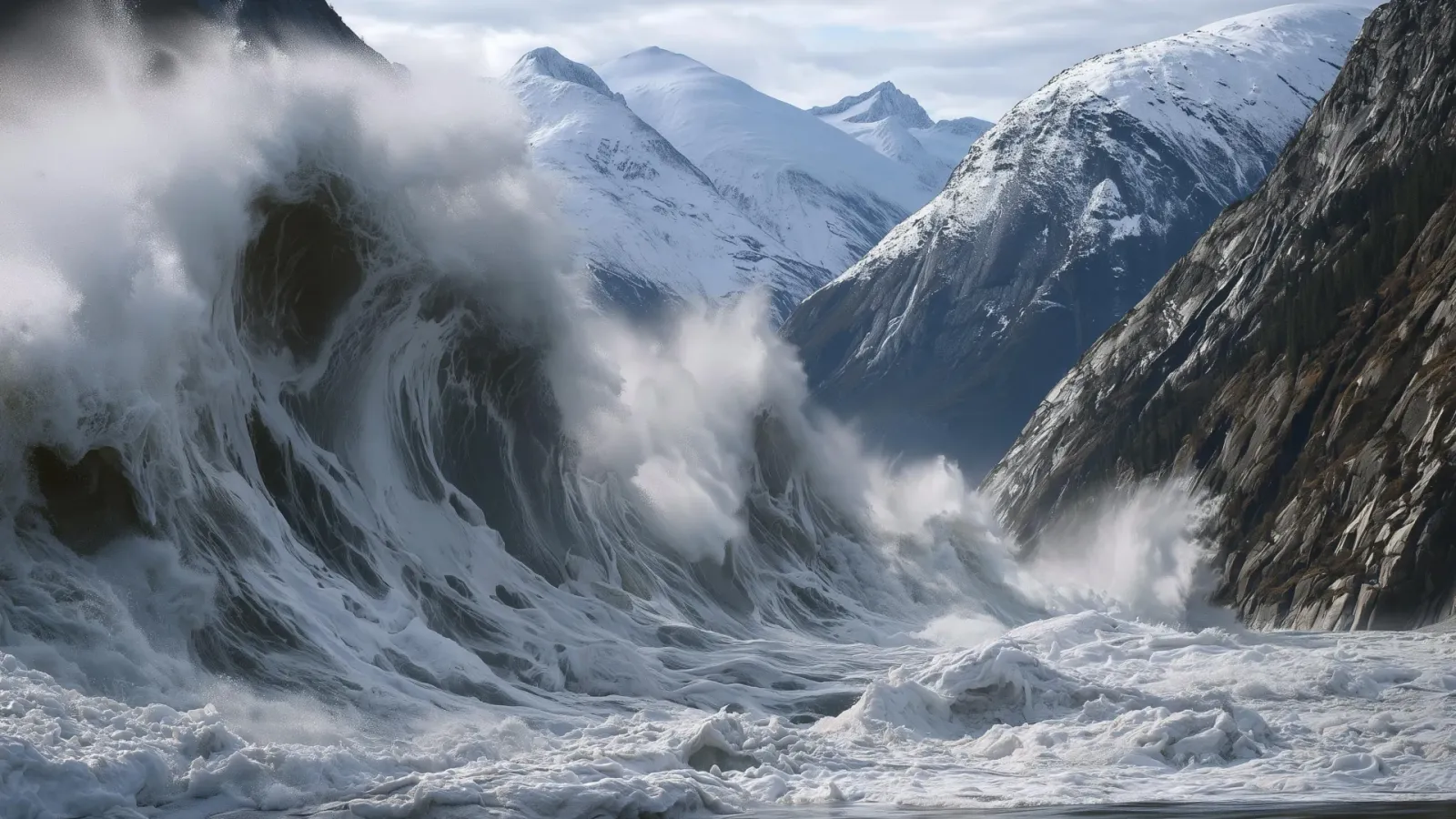
Alaska's 1,580-foot tsunami had warning signs. Scientists just found them.
Rapid glacier retreat, heavy rainfall, and thousands of tiny tremors preceded Alaska's 1,580-foot tsunami, a warning for every coastal community in a warming world.
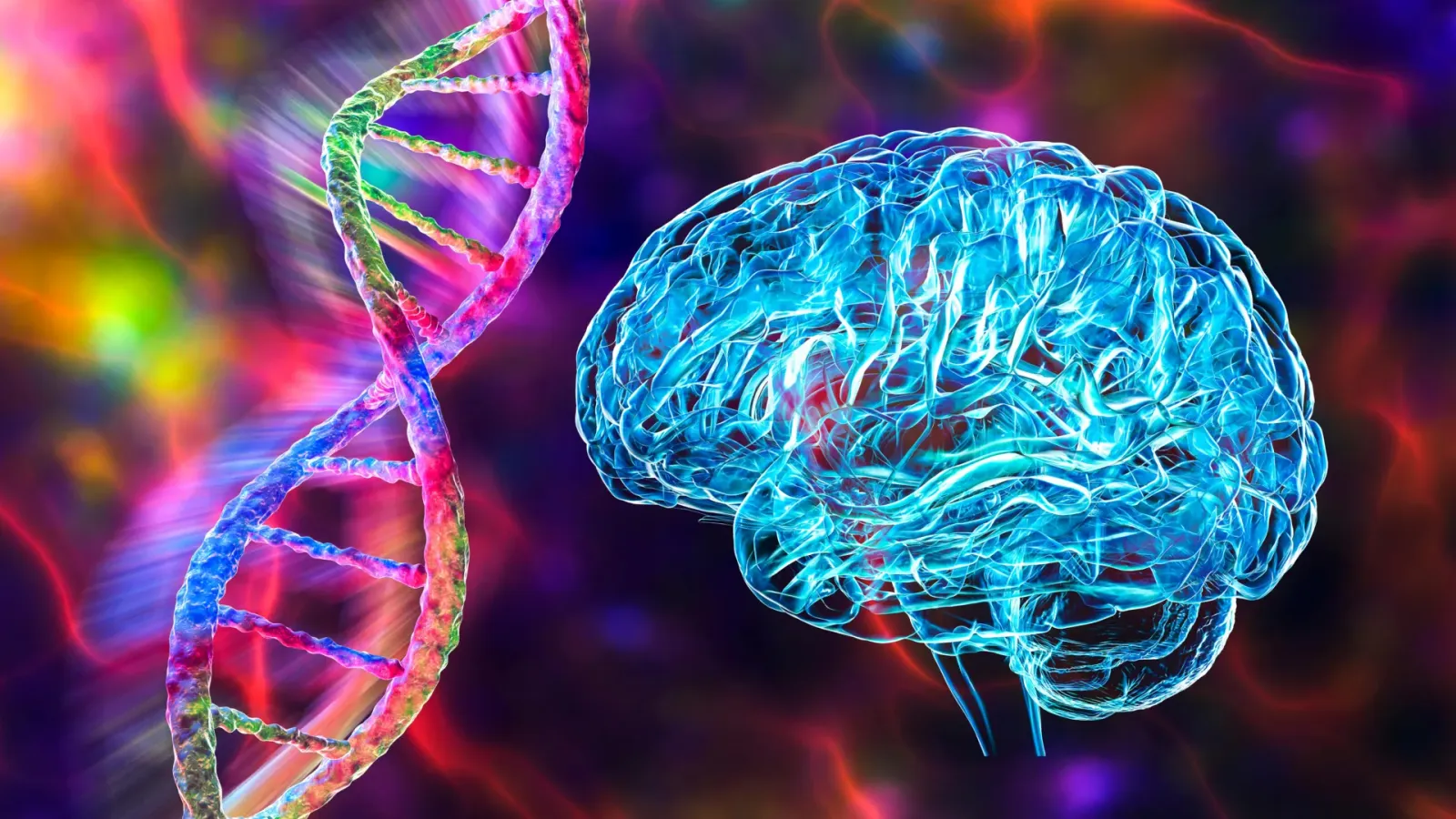
The rare mutation that lets high-risk brains dodge Alzheimer's
Scientists found a natural defense against protein buildup, opening a new path to preventive treatments.

3,000 steps a day may halve Alzheimer's decline, study finds
New research links a modest daily walk to less tau buildup and nearly half the cognitive and functional decline, even for those with early signs.