
US hits 140 Iran targets after Hormuz ship burns; Gulf strikes widen
The Strait of Hormuz is the choke point again as Washington strikes around 140 targets and Iran retaliates across the region.
The United States launched a major wave of strikes against Iran after an Iranian attack set a container ship ablaze in the Strait of Hormuz and forced its crew to abandon the vessel. The Central Command said it struck about 140 targets, with Iran appearing to respond with attacks targeting Bahrain, Qatar, and the United Arab Emirates.
WASHINGTON - The United States launched a major wave of strikes against Iran early Sunday, hitting about 140 targets after an Iranian attack set a container ship ablaze in the Strait of Hormuz and forced the crew to abandon the vessel.
Central Command said the targets included missile and drone launch sites, ammunition depots, communications equipment, and other military facilities. The stated intent was to "degrade Iran's ability to attack civilian mariners and commercial vessels freely transiting the strait." If you are a logistics operator, shipping CFO, or energy risk lead, that is the ballgame: the US is explicitly framing this as protection of commercial traffic, while Iran is treating the waterway as leverage.
This escalation matters beyond headlines because the Strait of Hormuz has been the main obstacle to renewed negotiations between Washington and Tehran aimed at securing a permanent end to the war that began on Feb. 28. About one-fifth of globally traded oil and natural gas passes through the strait, and Iran's control of the waterway during the war triggered a global energy crisis. The immediate market signal from the source is that oil prices have fallen sharply from wartime highs of $120 a barrel, but the operational reality does not care about price charts. If ships reroute, insurance costs move, and port schedules wobble, commercial risk compounds even when spot prices cool.
The US strike scale is also a notable deviation in momentum. The Central Command said the new wave struck about 140 targets, significantly more than during the previous two rounds of attacks. Those earlier rounds killed at least 17 people and injured 115 others, according to Iranian Health Ministry spokesperson Hossein Kermanpour. The pattern the source paints is clear: retaliation is not going smaller, and it is not staying contained to one location.
Iran's response, according to the report, appeared to target Bahrain, Qatar, and the United Arab Emirates, further escalating tensions across the Gulf. The United Arab Emirates warned residents on Sunday of an incoming missile and drone attack, explosions were heard in neighboring Qatar, and missile alerts were activated in Bahrain. Qatar's military said it intercepted the incoming Iranian fire, and Qatar sounded a missile alert shortly after the blasts.
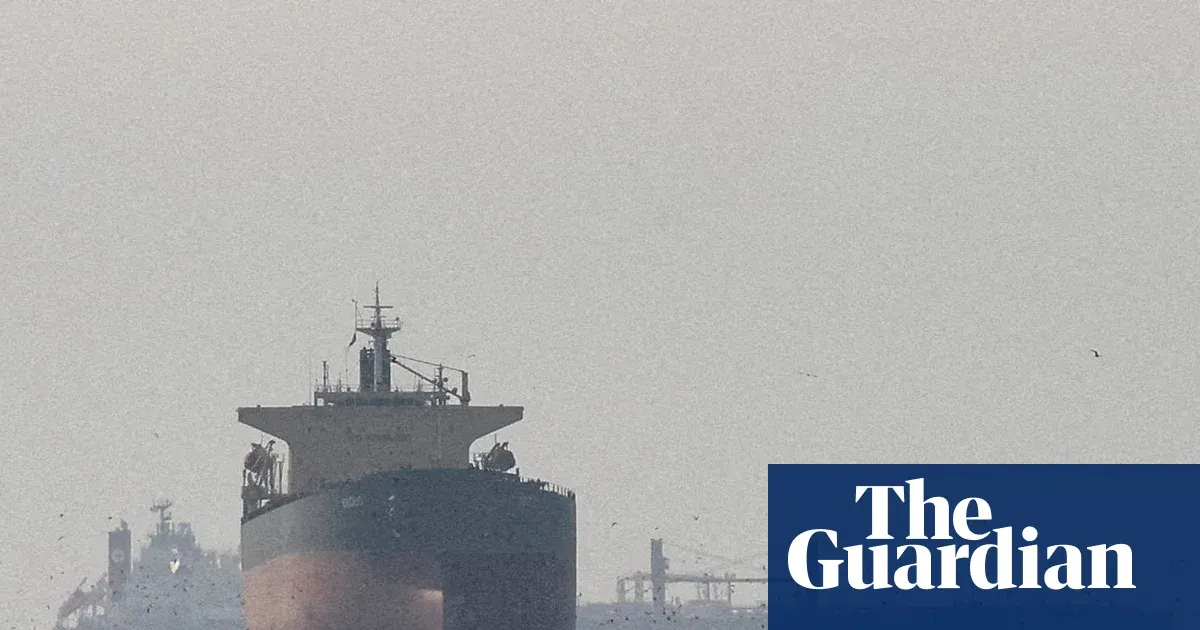
For the maritime side, the incident itself gives the escalation a concrete operational signature. A Cyprus-flagged container ship suffered "significant engine-room damage" after being struck by Iran, with one civilian crew member remaining missing, according to US Central Command. The UK Maritime Trade Operations center said the vessel was traveling close to Oman's coastline, on a route used by ships seeking to avoid Iranian territorial waters. The crew abandoned the vessel after it caught fire. Iran's Islamic Revolutionary Guard Corps said several vessels ignored warnings and instructions to change course and use an approved route, and it said one vessel was struck by a warning shot and forced to stop. Translation: each side is telling a different story about navigation, compliance, and whether this is an accident of movement or a deliberate signal.
Strategically, this fight is tangled up with diplomacy and leadership change inside Iran. The source notes that the renewed crossfire came days after President Donald Trump said the interim agreement intended to halt the war was effectively "over." It also points to Saturday talks between the foreign ministers of Iran and Oman over the strait after several days of Iranian attacks on commercial vessels and US retaliation, with Oman saying the two countries agreed to continue discussions at both technical and political levels. Yet Iran did not issue the public commitment Washington sought to reopen the waterway fully to international shipping.
Leadership politics is the other pressure point. Iran's new supreme leader, Ayatollah Mojtaba Khamenei, vowed to avenge the killing of his father, Ayatollah Ali Khamenei, during the opening strikes of the war on Feb. 28. The source quotes his first public statement since his father's funeral: "Such revenge is the will of our nation and must certainly be carried out." US officials have said renewed Iranian attacks were carried out by a hardline faction seeking to sabotage the ceasefire, though Tehran insists its leadership remains united under the new supreme leader. Even if you discount faction stories as contested, the underlying message for boards and executive teams is consistent: internal legitimacy, not just external bargaining, drives the tempo.
The immediate regional posture is also hardening. The report says Tehran said the Strait of Hormuz would remain closed "until further notice" and warned it could target additional regional bases if Iran came under further attack. Iranian state media reported that US strikes targeted Bandar Abbas, Sirik, and other areas along the Strait of Hormuz. Taken together, the operational stakes for executives are straightforward: maritime risk models, sanctions and shipping compliance workflows, and energy supply planning now have to treat Hormuz disruptions as an active scenario, not a tail risk.
If you run a shipping line, insure voyages, finance trade, manage a petrochemical supply chain, or allocate risk in capital markets, the second-order effect is not just higher volatility. It is that the strait is being used as both a military instrument and a bargaining chip, and both Washington and Tehran are acting like that is the point. The US says the strikes aim to limit attacks on civilian mariners. Iran is signaling continued closure and possible broader targeting. Until diplomacy produces a verifiable reopening of the waterway, the Gulf’s conflict line will stay close enough to reroute schedules, raise costs, and test contingency plans across the global energy system.
This story's Key Insights and Take-aways are locked.
Create a free account to unlock Executive Actions for one credit.
Register to UnlockAlways free for Executives Club members. Join the Club
More in Politics
Glacial collapse, not rain, killed 180 in Nepal's Himalayan flood
The Himalaya's extreme geography hid the true cause of Nepal's catastrophic flood, a glacial collapse that turned a geological battleground into a mass-casualty zone.
Iran’s Esmail Baghaei says Oman talks start shipping via Hormuz, not US talks yet
Temporary route plans with Oman aim to restart commerce while Tehran says Washington dialogue is not on the table.

Standards watchdog opens probe into Reform UK deputy leader Richard Tice over interests
The parliamentary standards commissioner says it began an investigation on 28 July into a possible undeclared interest.