

US hospitals are hiring Filipino remote nurses, but Philippine shortages are getting worse
Remote staffing is easing US coverage gaps and costs, while quietly aggravating the nurse crunch abroad.

U.S. hospitals increasingly hire Filipino nurses for remote roles, filling staffing gaps and pursuing cost savings. For executives, the move may stabilize patient coverage in the US while worsening talent shortages in the Philippines.
Chris works as both a nurse and a healthcare administrator, deciding on appropriate treatments for patients and checking their vital signs. In his remote setup, he monitors as many as 10 patients at a time in intensive care, using that clinical rhythm to keep care moving even when he is not physically in the hospital room.
This is the new staffing reality that Rest of World describes: U.S. hospitals are increasingly hiring Filipino nurses for remote roles to fill staffing gaps and to save money. The pitch is straightforward. Remote nursing can stretch limited clinical labor, and it can lower operational costs compared with fully on-site staffing. But there is a catch that becomes the central tension of the story. The same practice can aggravate shortages in the Philippines, where nurses are already stretched.
To understand why this matters to decision-makers, zoom out from any single hospital and look at how healthcare labor markets behave. Nursing is not interchangeable. It is location-specific, training-specific, and relationship-specific, because care involves both clinical judgment and real-time coordination with on-site teams. When hospitals can offload some monitoring and decision support to remote clinicians, they gain scheduling flexibility. They also gain a pathway to staff units without waiting for the same timeline as traditional recruitment.
Meanwhile, the Philippines is not just “a source of workers.” It is a national workforce whose supply can be pressured by outflow. If more hospitals in higher-income countries rely on Filipino nurses for remote roles, then demand for these nurses can rise in the home market too. Even if remote work is not the same as permanent migration, it still changes where nurses spend their time and how many remain available for local care. That is the aggravating dynamic the story highlights: U.S. staffing decisions can ripple back into the Philippines’ shortages.
There is another layer executives should care about: second-order operational risk. Remote staffing can help hospitals cover gaps, but it can also introduce new dependencies, including technology reliability, secure data handling, and coordination between remote clinicians and in-person teams. If remote nurses monitor vital signs and inform treatment decisions, then any breakdown in workflow, escalation processes, or communication can turn a staffing win into a quality risk. Even without inventing details, the structure of remote monitoring implies the need for tight protocols and clear accountability.
Regulatory framing is part of the picture, even in the absence of specific citations in the excerpt. In general, cross-border healthcare work forces institutions to think about licensure, scope-of-practice, and compliance with patient privacy rules. Hospitals cannot simply buy clinical labor and plug it into their systems. They have to ensure the remote nurses can legally perform the tasks required, and that patient data is handled properly. That administrative overhead is one reason staffing gaps persist, and it is also why executives often treat these remote models as a workaround worth implementing when shortages become acute.
For the Philippines, the workforce impact may be felt in ways that are not captured by a simple “how many nurses left the country” statistic. Remote roles can still pull nurses toward U.S.-linked employment channels. That can increase competition for clinical time, reduce available coverage for local facilities, and intensify staffing constraints where demand is already high. The story’s core point is that what solves a problem in one geography may create or worsen another, particularly when labor markets do not rebalance quickly.
Strategically, peers in similar leadership roles should treat this as a long-term management issue, not a short-term hiring hack. The US may get more stable ICU monitoring capacity when remote Filipino nurses cover up to 10 patients at a time, but the underlying supply pressures elsewhere do not vanish. As more hospitals chase cost savings and coverage continuity, the practice can harden into a structural shift in how nursing labor is allocated across borders. That raises the stakes for boards and senior executives: how do you balance immediate staffing relief with the ethical and operational consequences of widening shortages in the source country, and how do you design remote models that are resilient, compliant, and safe?
This story's Key Insights and Take-aways are locked.
Create a free account to unlock Executive Actions for one credit.
Register to UnlockAlways free for Executives Club members. Join the Club
More in Technology

Vivo’s India JV signals a new template for Chinese phone makers post-Apple boom
A Vivo joint venture points to how Chinese smartphone brands may scale in India next, and what boards should watch.

ASA cracks down on fake portable air conditioners after ads promised rapid room cooling
Regulator says claims for “small devices” cooling rooms fast were too good to be true. Here’s what to watch next.
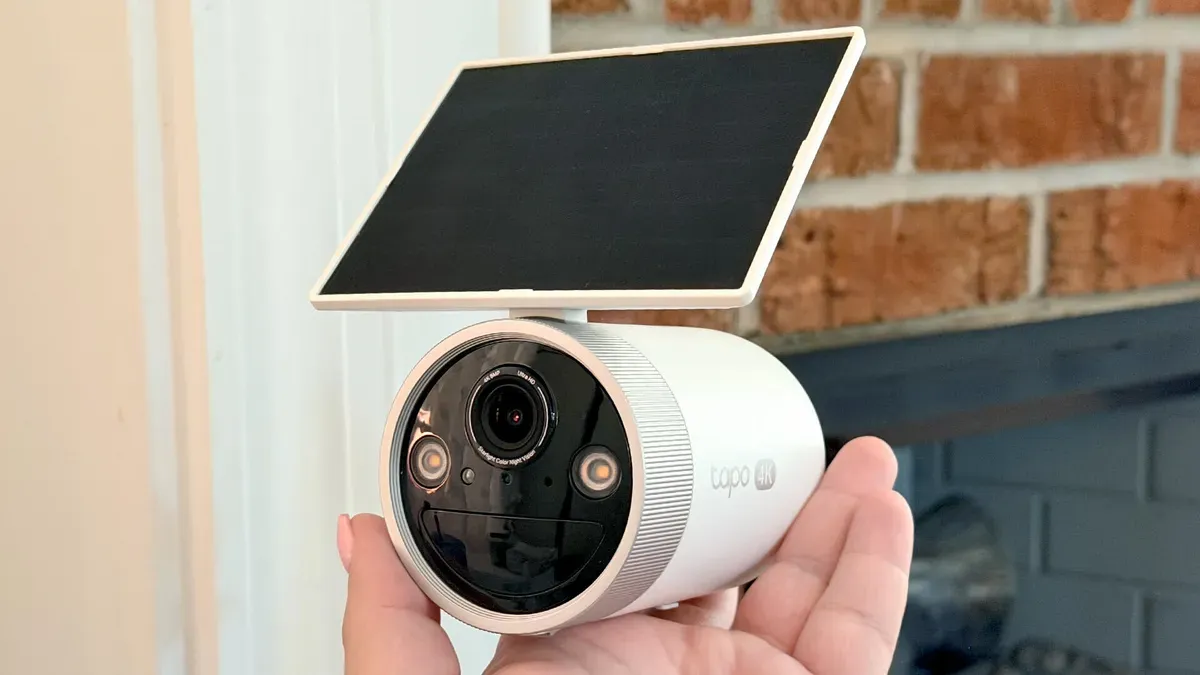
TP-Link’s Tapo C465 solar camera skips batteries and subscription, and the video holds up
A solar-powered wireless camera that reportedly beats Ring on image quality, without subscriptions, shifts what buyers expect from security tech.