

Utah bans Stephen King’s Different Seasons from schools; King calls it “What’s wrong with these people?”
A statewide ban starts July 6 after four districts cite “objective sensitive material,” removing books teens previously had.
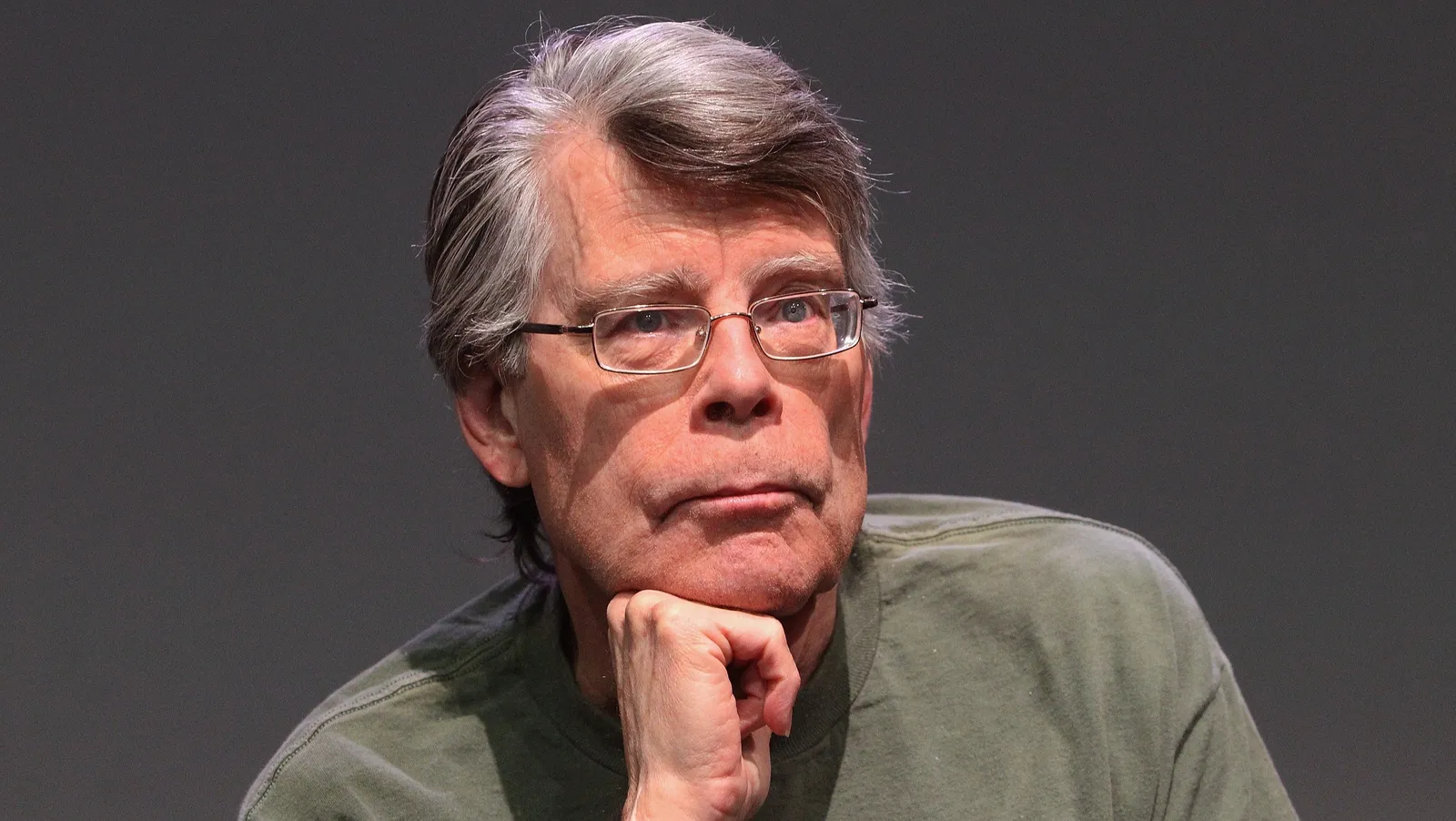
Stephen King blasted Utah after the state banned his 1982 novella collection Different Seasons from all public schools, removing it from libraries via a decision by four districts. For decision-makers, the fight is a preview of how “sensitive material” definitions can instantly reshape what students can access.
Stephen King just put Utah on blast over a school ban that hit his 1982 novella collection Different Seasons. The Salt Lake Tribune reported the book was banned from all public schools in Utah after multiple districts decided it included “objective sensitive material,” triggering a statewide ban on 6 July.
This matters because Different Seasons is not some obscure outlier. The collection includes four novellas that were adapted into major mainstream films: “Rita Hayworth and Shawshank Redemption: Hope Springs Eternal” became the 1994 The Shawshank Redemption, and “The Body: Fall from Innocence” became the 1986 coming-of-age classic Stand by Me. King said on social media, “They banned DIFFERENT SEASONS in Utah,” adding that it “Contains STAND BY ME and THE SHAWSHANK REDEMPTION, stories of friendship and courage. Readable by teens, too. What's wrong with these people?”
So what exactly did Utah do, and how did the law make it unavoidable once the right districts moved? According to the Salt Lake Tribune, Utah law requires a book be banned from all public schools in the state if at least three school districts decide it includes to “objective sensitive material.” In this case, the Davis, Jordan, Tooele, and Washington school districts decided earlier this month to remove the collection from their libraries. Their move set off the statewide ban effective 6 July. The book had previously been available to students in grades 7-12, so the practical effect is a rapid access cutoff for a defined student group.
Utah’s definition of “objective sensitive material” is where the legal temperature really rises. Utah code defines it as “instructional material that constitutes pornographic or indecent,” is “harmful to minors,” or “includes certain fondling or other erotic touching.” That framing is broad enough to capture a wide range of content, but the key is that it is also specific about categories like pornographic or indecent material and harmful content. Once those thresholds are met under the state rule, the statute converts district-level action into statewide impact.
The Davis school district’s website pinned the ban rationale to alleged sexual content. It said Different Seasons “violates the standards” because it describes “genitals in a state of sexual stimulation or arousal.” The website, per the reporting, cited three pages. On page 184 the district said the book violates the law by showing humans in a state of sexual stimulation or arousal. On page 251 it describes genitals in a state of sexual stimulation or arousal, and on page 252 it again describes human genitals in a state of sexual stimulation. The article notes it is thought that “Apt Pupil: Summer of Corruption” is the novella in question.
For context, “Apt Pupil: Summer of Corruption” is described as a dark psychological thriller about an all-American high school student who discovers his elderly neighbor is a fugitive Nazi war criminal. Instead of turning him in, the boy blackmails the man into sharing horrific Holocaust stories, leading both into a dangerous, corrupting descent into evil. That synopsis is important because it shows why these kinds of bans are rarely just about “vibes” or tone. The material is tied to themes of evil, corruption, and moral decline, while the district’s stated trigger appears to be explicit sexualized descriptions on specific pages.
King’s response focused on the recognizable adaptations rather than the disputed passages. He did not mention “Apt Pupil: Summer of Corruption” or “The Breathing Method: A Winter’s Tale” in his tweet. Instead, he highlighted the cultural footprint of the stories: Stand by Me and The Shawshank Redemption, both linked to the collection’s novellas, and he argued the stories are “readable by teens.” It is a rhetorical move that also functions as a pressure point for anyone watching the policy fight: when a book’s content is already embedded in mainstream media, bans can look less like targeted curriculum adjustments and more like a broader culture clash.
This is not Utah’s first brush with King. In February, his 1998 horror novel Bag of Bones found its way onto the banned list, per the article. And across the United States, various King books have been banned over the years. There is also an active legal backdrop. In January, the American Civil Liberties Union of Utah filed a lawsuit against state officials on behalf of the estate of Kurt Vonnegut and several bestselling authors, arguing the book bans are “unconstitutional under the First and Fourteenth Amendments.” That lawsuit matters for second-order thinking because it suggests the current fight is not only about one collection. It is about whether the mechanism used by Utah to convert “objective sensitive material” findings into statewide removal can survive constitutional scrutiny.
If you are a publisher, education stakeholder, investor, or board member tracking risk, the business lesson is sharp: policy definitions plus procedural thresholds can create sudden market and access outcomes, even when a book is already widely known and adapted. The July 6 ban shows how quickly a single legal framework can turn “library removal” into “statewide availability ends,” and how content classification disputes can land on the front page. The strategic stakes go beyond Stephen King. They touch how curricula are shaped, how content gets labeled, and how fast institutions can be forced into compliance when “sensitive material” standards leave little room for nuance.
This story's Key Insights and Take-aways are locked.
Create a free account to unlock Executive Actions for one credit.
Register to UnlockAlways free for Executives Club members. Join the Club
More in Entertainment

12TB Steam 'teraleak' goes beyond Valve: GTA 3, Mafia 2 prototypes exposed
A 12-terabyte dump of Steam data reveals prototypes and builds of third-party classics like GTA 3 and Mafia 2, plus unreleased Valve content, rewriting game history.

LinkedIn's romance problem: 1 in 4 workers say dating on it is fair game
A new survey shows a quarter of U.S. employees treat the professional network as fair game for romance, even as LinkedIn bans it and removes hundreds of thousands of offending posts.

Enhypen's first No. 1 album breaks K-pop's Billboard 200 streak
The K-pop group's 98,000-unit debut tops the chart while Dolly Parton's catalog reentry shows how death reshapes streaming.