
Vadym Yermolaiev, sanctioned by Kyiv, is reportedly injured in Monaco assassination attempt
A Monaco incident involving Vadym Yermolaiev ties into Ukraine's sanctions playbook, raising new compliance and risk questions.
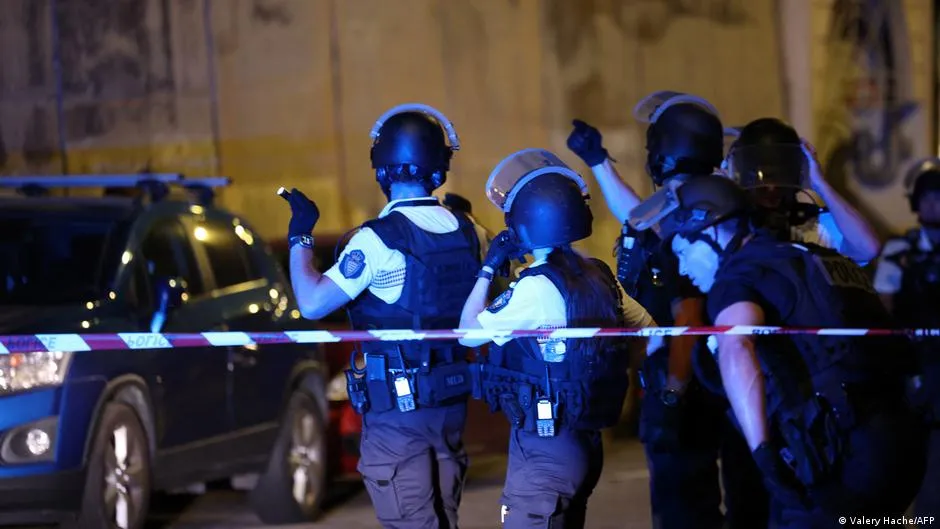
Ukrainian-born businessman Vadym Yermolaiev was reportedly injured in a suspected assassination attempt in Monaco. Kyiv had previously imposed sanctions on him, turning the case into more than a local security headline.
Vadym Yermolaiev, a Ukrainian-born businessman, was reportedly injured in a suspected assassination attempt in Monaco. The development immediately changes the risk profile around a person already in the crosshairs of state policy, because Kyiv had previously imposed sanctions on him.
For executives and decision-makers, this matters for a simple reason: sanctions do not just live on paper. When a sanctioned individual becomes the subject of a violent incident, counterparties, banks, insurers, and boards typically have to reassess exposure fast, not at their next quarterly meeting. Monaco is also not a random backdrop. It is a financial and legal hub where reputation and compliance systems are built to notice changes in the risk environment.
So what is known about the case? The reporting frames it as a suspected assassination attempt and says Yermolaiev was reportedly injured. On the regulatory side, the key point is that Kyiv had previously imposed sanctions on him. That matters because sanctions are an official declaration that a government considers certain people or entities to pose unacceptable risk, whether related to wrongdoing, conflicts of interest, or support for hostile actions. Even without more details of the incident, the combination of a sanctions history and alleged targeted violence is enough to trigger operational reviews.
The second layer is how sanctions shape business behavior. When a government like Kyiv places someone on a sanctions list, it can constrain the flow of capital and services across jurisdictions, especially through banks and compliance teams that treat sanctioned counterparties as high-risk by default. In practice, this can affect everything from payment processing to contract enforceability, from onboarding new partners to whether existing relationships should be re-papered or wound down. A violent incident does not automatically change the sanctions status. But it can accelerate decisions that were already on the horizon, and it can intensify scrutiny from regulators and auditors who care about whether firms responded promptly to known risks.
This is where governance comes in. Boards often talk about sanctions as a compliance checkbox. But incidents like this tend to reveal that sanctions are also a reputational and liquidity risk channel. A company that has any relationship, direct or indirect, with a sanctioned person can face heightened diligence expectations from banks, insurers, and counterparties. The problem is rarely only legal exposure. It is also the inability to explain, on short notice, why the company stayed in the picture if the risk intensified.
There is also a strategic implication for peers watching from the sidelines. If you run a business with cross-border reach, you do not get the luxury of assuming that “nothing will happen.” The headline underscores that the stakes around sanctioned individuals can shift abruptly. Even when the operational details of the alleged attempt are still unclear, the combination of reported injury in Monaco and prior sanctions imposed by Kyiv is enough to suggest heightened volatility in the surrounding ecosystem.
Finally, there is the human and geopolitical dimension. The story is about a specific individual, but the context is larger: Ukraine's sanctions policy and the real-world consequences it can produce across borders. When state policy meets security events, compliance teams, legal counsel, and risk committees get pulled into the same circle. They need to think about how to protect the organization while the situation develops, and how to communicate internally without turning rumor into process.
For executives, the key is not to overclaim what is not in the reporting. The confirmed elements here are narrow: Vadym Yermolaiev is Ukrainian-born, he was reportedly injured in a suspected assassination attempt in Monaco, and Kyiv had previously imposed sanctions on him. Everything else will depend on what authorities determine next. But even with those limited facts, the case is a real-time test of how prepared your company is to manage sanctioned counterparty risk when the news cycle turns from regulatory to physical danger.
This story's Key Insights and Take-aways are locked.
Create a free account to unlock Executive Actions for one credit.
Register to UnlockAlways free for Executives Club members. Join the Club
More in Politics

Glacial collapse, not rain, killed 180 in Nepal's Himalayan flood
The Himalaya's extreme geography hid the true cause of Nepal's catastrophic flood, a glacial collapse that turned a geological battleground into a mass-casualty zone.

Iran’s Esmail Baghaei says Oman talks start shipping via Hormuz, not US talks yet
Temporary route plans with Oman aim to restart commerce while Tehran says Washington dialogue is not on the table.

Standards watchdog opens probe into Reform UK deputy leader Richard Tice over interests
The parliamentary standards commissioner says it began an investigation on 28 July into a possible undeclared interest.