

Valve engineers: RAM shelves lag bulk supply by 3 to 6 months, still worsening
Steam Machine architects warn the memory squeeze is getting worse, with Valve hoping for affordability only later.
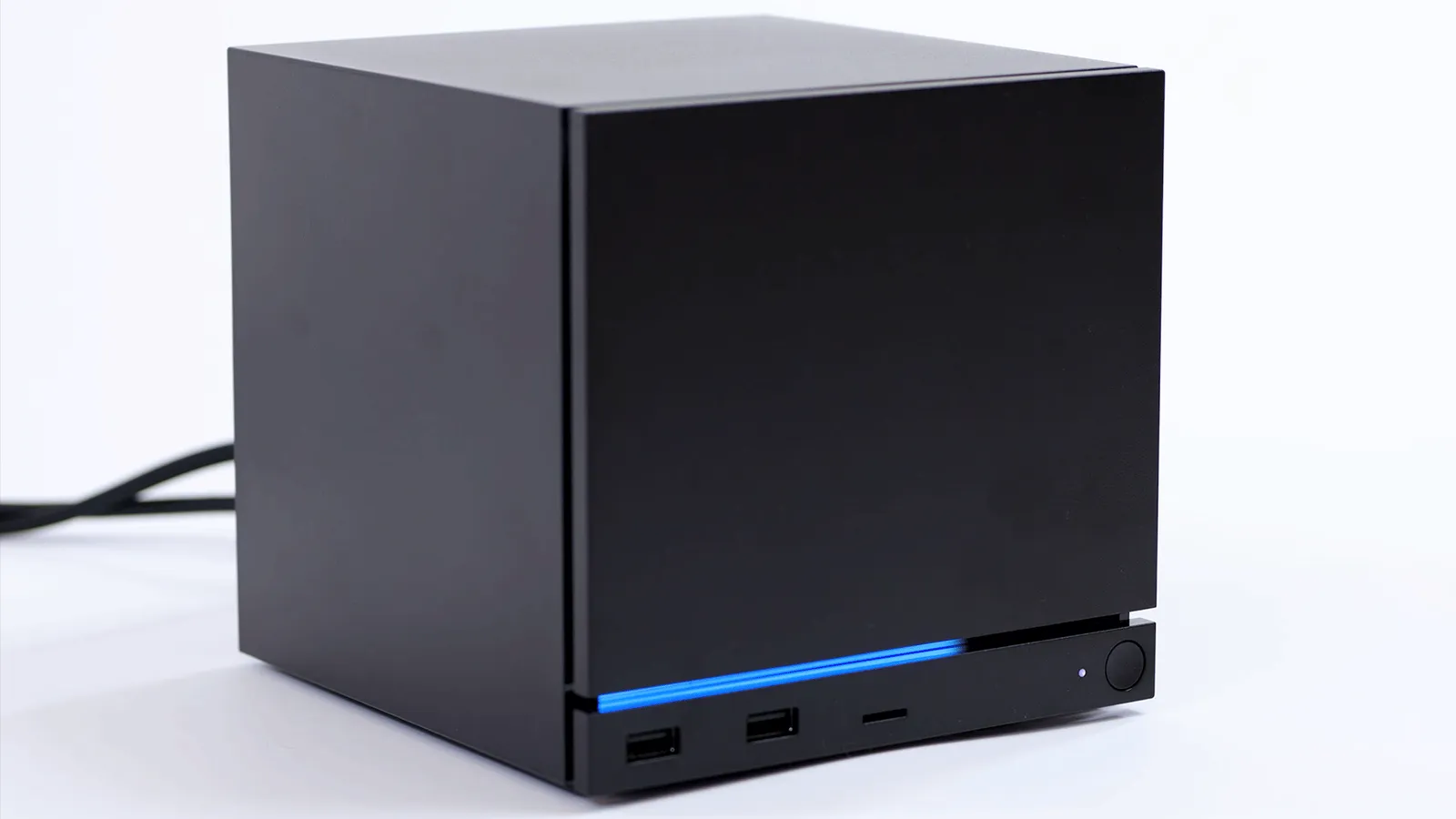
Valve Steam Machine engineers Yazan Aldehayyat and Pierre-Loup Griffais said the tech memory crisis is still worsening and that retail availability lags bulk supply by 3 to 6 months. For decision-makers, that means pricing pressure and supply uncertainty are likely to persist longer than buyers and budgets want.
Valve’s Steam Machine engineers delivered a blunt supply-chain reality check: RAM availability is still getting worse, and what buyers see on retail shelves is lagging bulk supply by 3 to 6 months. Yazan Aldehayyat, one of the people who helped bring the hardware to life, told Bloomberg that the discrepancy is not just lingering, it is actively widening from Valve’s observations, even as companies build and ship in the background.
In the same interview, Aldehayyat did not frame this as a temporary bump. “Honestly, it’s still getting worse,” he said. “Just in case people are not aware. What people are seeing on retail shelves right now, from our observations, is lagging what we’re seeing from a bulk supply by at least three to six months.” That timing gap is the kind of detail that matters because retail pricing and product availability are the signals most buyers and most internal planners react to first. If retail is delayed relative to bulk supply, teams can misread demand, overreact to price spikes, or commit to build plans based on information that arrives late.
The warning lands on top of already painful price points. The Steam Machine launched with a price tag of $1,049 for its base 512GB model. Its most expensive option, a 2TB version bundled with a Steam Controller, costs $1428. Aldehayyat said Valve expected some trouble when it formally announced the device in November 2025, but “the extent was beyond anything we actually expected.” In other words, Valve anticipated friction in sourcing. What Valve did not anticipate was how the friction would translate into the lived experience of customers browsing “what’s on the shelf,” where the lag and pricing pressure can compound.
Pierre-Loup Griffais, also cited as a key contributor behind the new gaming hardware, added that Valve has been “building everything we can get our hands on.” But he also emphasized the constraint underneath the effort: Valve is limited by memory capacity “for sure.” That pairing is important for executives and board members because it explains why “just scale manufacturing” may not solve the problem. If the bottleneck is memory capacity, not a normal factory throughput issue, then expanding assembly does not automatically expand system availability, and it does not automatically bring prices down.
The Valve team also pointed to the broader stress inside its own hardware portfolio. Part of Valve’s turbulent period has included struggling to keep up with demand for the Steam Deck. The Half-Life company also said it “would love” to make the Steam Machine “more affordable,” but warned that a price drop would not arrive “any time soon.” In supply constraint cycles, those two statements often become the governance flashpoints: internal pressure for affordability versus external reality where components, especially RAM, remain expensive and scarce.
And Valve is not alone in sounding the alarm. The memory crisis is showing up across the ecosystem, from component vendors to platform strategists to game-industry leaders. Micron CEO Sanjay Mehrotra said he expected the RAM shortage to last through 2027. Epic Games boss Tim Sweeney warned in late 2025 that high-end PC gamers will struggle with prices “for several years.” Those remarks matter because they suggest this is not only a “this quarter” supply story. It is a medium-term affordability and procurement story that touches multiple layers of the market: chipmakers, OEMs, retailers, and the consumers trying to upgrade.
Even as the industry looks ahead to consoles, the memory pressure remains part of the backdrop. As Sony and Microsoft charge closer to the release of new next-gen gaming consoles, Sony has said it is still deciding when and how to launch the PS6. For boards and execs, that kind of uncertainty is strategically relevant because hardware cycles and platform launches are often mapped against cost curves and component availability. If the memory crisis persists longer, then launch timing, SKU planning, and pricing architecture become harder to manage.
So what does this mean for decision-makers beyond Valve? When internal teams hear “lagging by 3 to 6 months,” the operational takeaway is not just about memory. It’s about planning accuracy. If retail is behind bulk by months, procurement teams, merchandising leaders, and product managers can end up designing roadmaps around distorted market signals. In the same way, if an OEM like Valve expects trouble but ends up surprised by the “extent,” other companies should treat this as a risk model failure, not just bad luck. The strategic stake is simple: if buyers face “exorbitant prices” and supply gaps persist, then product adoption, inventory strategies, and investor expectations all get harder to align. Valve’s message is grim, but it is specific, and specificity is the currency executives need right now.
This story's Key Insights and Take-aways are locked.
Create a free account to unlock Executive Actions for one credit.
Register to UnlockAlways free for Executives Club members. Join the Club
More in Technology

Google quietly links your phone number to every Android account on your SIM
Adding a SIM now ties your phone number to all Google accounts - and future accounts inherit it. Here's the security and privacy stakes.

Hijacker AI 'Skynet mode' runs 100,000 attack steps against exposed models
Symantec caught a criminal AI agent that borrows other models, steals data, and mines crypto; the only relief is no confirmed victims yet.

Nvidia's AI-financier shift faces its first big test as neoclouds stumble
A rout in neocloud stocks is forcing investors to weigh Nvidia's hidden exposure as both supplier and lender to the AI buildout.