

Valve had to “negotiate really hard” for Steam Machine memory and SSD supply
Pricing was not the fix. Valve says it had to fight for supply, even before retail felt it.
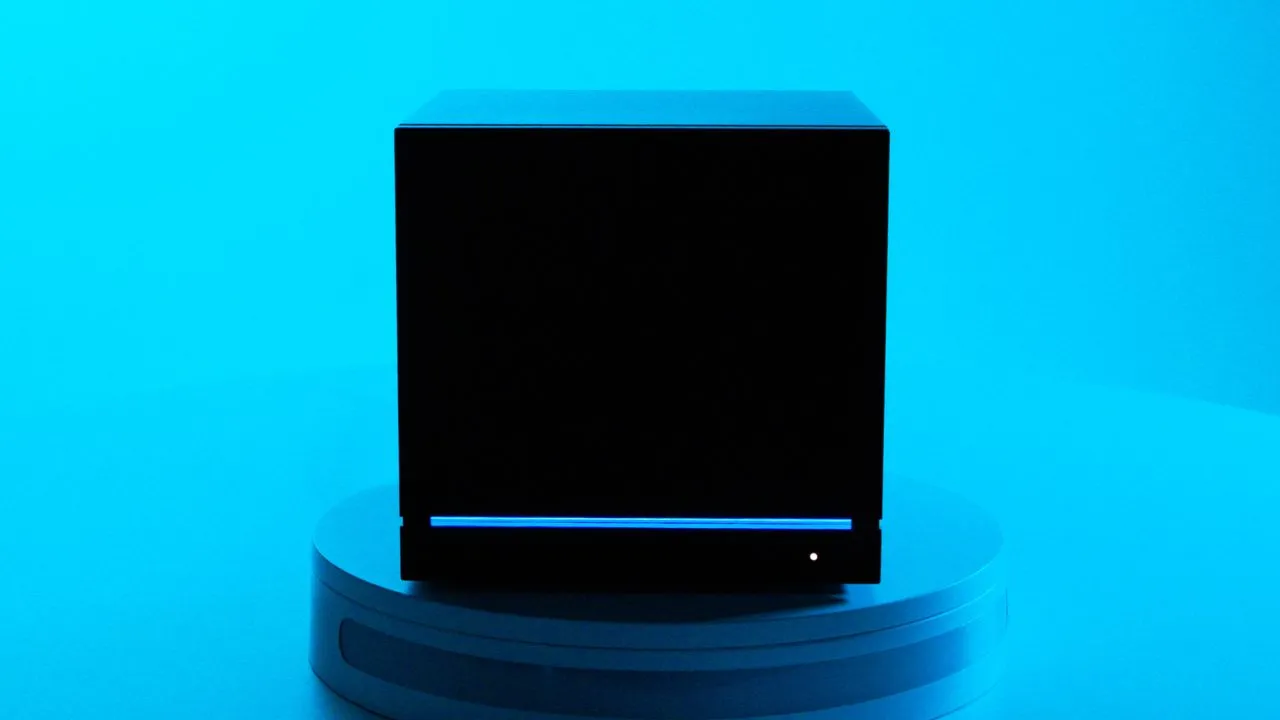
Valve executives Pierre-Loup Griffais and Yazan Aldehayya described how Valve handled memory and storage shortages for the Steam Machine. Griffais says negotiating for components became so difficult that securing supply required real effort, not just higher prices.
Valve’s memory and storage crisis for the Steam Machine wasn’t just an “expensive now” problem. It was a “we might not get the parts” problem. In a recent interview with Valve’s Steam Machine reps Pierre-Loup Griffais and Yazan Aldehayya, Griffais explained that for components like memory and storage, paying more was no longer a reliable shortcut. Instead, Valve had to “negotiate really hard just to secure a few thousand.” And that matters because Steam Machines are, in practice, a real-time test of whether hardware supply chains can still deliver at scale when the market is strained.
The key detail is the one that flips the usual narrative. Griffais said that items that were “a year ago, two years ago, commodity things” used to be handled with normal pricing, and it “it’s all good.” Now it isn’t. You might need those parts to build inventory, but “so many more people” are in the queue ahead of you. Valve is effectively describing a world where scarcity is the binding constraint, not sticker prices. And Griffais added that Valve started dealing with it “for eight months to a year,” with most people only starting to see it “in the past six months.”
There is a reason this is more than a PC Gamer rant about shortage doom. Valve is one of the biggest names in PC gaming distribution, and it also has a public track record for being unusually transparent about the mechanics behind what it ships. That transparency makes the interview useful for executives who sit on the other side of the procurement spreadsheet. When even Valve, building a “lovely little thing,” still couldn’t simply rely on market pricing to solve the shortage, it signals how far the supply crunch has progressed from “volatile” into “operationally disruptive.” In other words, the risk isn’t just margin compression. It is delivery risk.
Griffais also drew a contrast that is particularly relevant to anyone making build-vs-buy decisions or managing board-level expectations. He said that compared to the retail channel, Valve was dealing directly with suppliers for the components that will be built into systems and then “put on shelves.” That direct-to-supplier posture changes what “early signals” look like. Valve “had to deal with it a little bit ahead of everyone else in the public,” because the company’s timeline is closer to manufacturing and less dependent on consumer-facing price discovery. For decision-makers, the implication is clear: the same shortage can show up in different forms depending on where you sit in the chain. Retail shoppers may notice price swings later, but manufacturers and integrators can feel the squeeze earlier through availability and allocation.
The interview also contains a pricing reality check that connects the supply constraints to the business outcome. Griffais referenced the Steam Machine’s pricing at “$1,049,” and he said the situation made it “very hard to justify” that price point. In plain terms: when components become harder to secure and more expensive to source, you either eat margin or increase price. Valve appears to have been forced into the first option and, at the same time, constrained in the second. PC hardware is a buyer’s market where small psychological thresholds matter. The article notes it would have been preferable to push the Machine “under $1,000,” at least for optics, because a three-digit sticker is easier for consumers to swallow.
But the source underscores that the uglier number likely reflected how tight the whole situation was. At the beginning of the year, “it wasn’t clear that they would have any Steam Machines to sell.” Somehow, Valve still managed to build enough stock to launch, but it was “touch and go for a bit.” That detail is important for anyone at a company that depends on external manufacturing inputs. Even if a product launches, the launch itself might have been bought with procurement stress and late-stage uncertainty, not just standard lead times.
This is where the supply chain meets second-order consequences for boards. When memory and storage shortages tighten, the operational knock-on effects can ripple into product roadmaps, inventory planning, and even pricing strategy decisions, all at once. The source frames the environment as “a really weird climate right now for memory and storage.” For executives, weird is not just descriptive, it is a warning sign. In normal times, boards can model pricing using historic cycles. In this kind of climate, scarcity and allocation can override pricing entirely. You can agree on a price and still lose access to supply if others negotiate harder, order earlier, or have better relationships with suppliers.
And there is a strategic lesson for peers who think they can “wait it out.” The source’s bottom line is blunt: until, and “indeed if,” the market returns to something resembling normality, there is “little to be done” except absorb the reality and keep making procurement and pricing choices under uncertainty. If you run hardware-dependent businesses, the takeaway is not to panic every time a component moves. It is to treat supply negotiation and supplier access as a board-level risk metric, alongside cost. Valve’s experience suggests that when allocation is tight, the difference between launching and missing the window can be the difference between a smooth procurement plan and a scramble to “secure a few thousand.”
This story's Key Insights and Take-aways are locked.
Create a free account to unlock Executive Actions for one credit.
Register to UnlockAlways free for Executives Club members. Join the Club
More in Business

Comcast shares jump 25% as it plans to split NBCUniversal and Sky
The tax-free spin-off could reshape focus, funding, and competition across media and tech for years.

Bungie cuts most Destiny 2 staff as Sony says Marathon still matters
Herman Hulst confirms layoffs affecting most Destiny and some Marathon teams after Bungie admits Destiny fell short.

SK Hynix jumps 11% after seeking up to $29.4B in Nasdaq listing
The chip giant filed for a Nasdaq listing plan that could raise $29.4 billion, instantly reshaping investor expectations.