

Veteran '60 Minutes' Correspondent Fired After Confronting New Leadership
The sudden exit of a high-profile anchor signals a major shift in CBS's editorial direction and the internal power dynamics of its flagship news division.
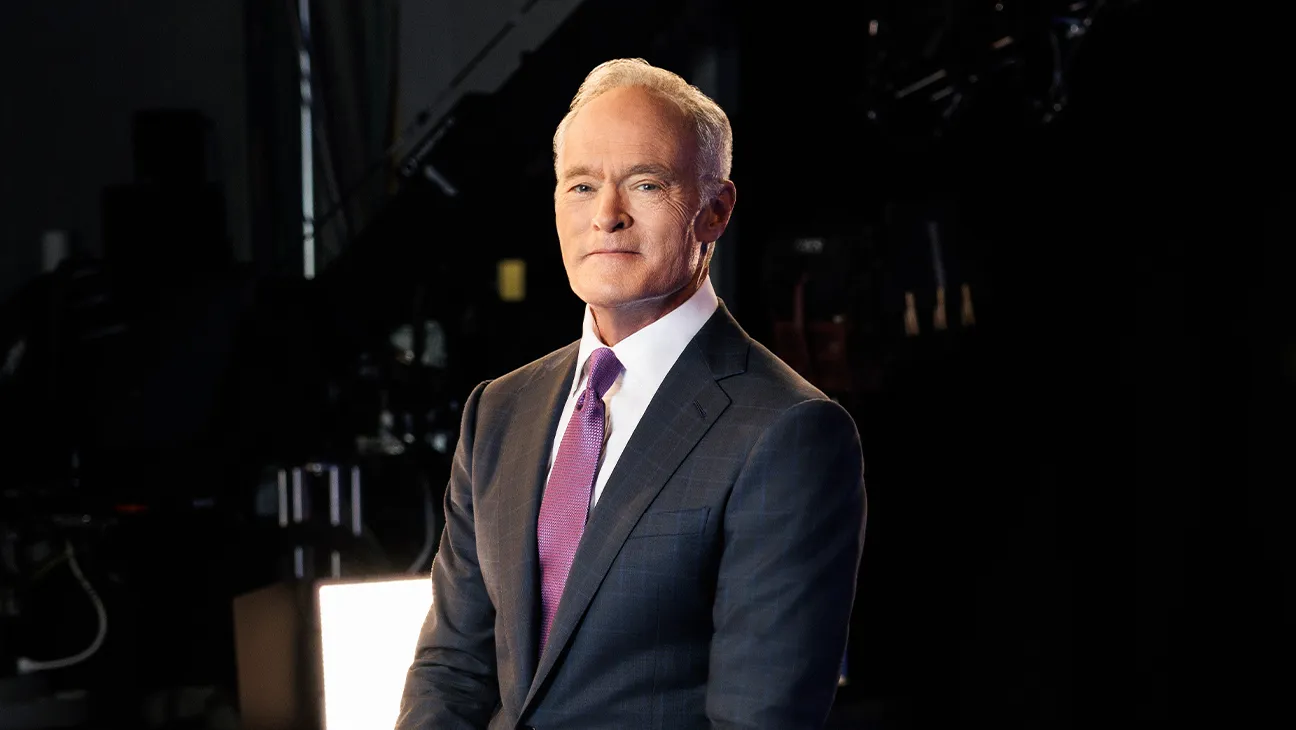
Veteran correspondent Scott Pelley was reportedly fired from '60 Minutes' after publicly challenging new leadership, including EP Nick Bilton and Bari Weiss. This signals a significant internal reckoning for CBS regarding journalistic independence and the management of high-profile talent.
The departure of veteran correspondent Scott Pelley from '60 Minutes' marks a dramatic and highly visible internal shakeup at CBS, stemming from a confrontation with the show's new leadership. Pelley, a long-time fixture and former anchor of the 'CBS Evening News,' reportedly called out key figures, including new Executive Producer Nick Bilton and Bari Weiss, during a recent meeting. This public challenge, coming from a figure with deep institutional knowledge and a recognizable public profile, suggests a profound disagreement over the editorial direction, tone, or operational management of one of television's most prestigious news programs. The incident is not merely a personnel change; it is a flashpoint revealing underlying tensions regarding creative control and the evolving standards of investigative journalism at the network.
For context, '60 Minutes' has historically been a powerhouse of investigative reporting, relying on the gravitas of its correspondents and the perceived independence of its reporting. The presence of a veteran like Pelley, who has anchored major news broadcasts and built a career on high-stakes journalism, adds significant weight to his critique. His actions suggest that the disagreement was not trivial, but rather touched upon fundamental questions of journalistic integrity, the relationship between the correspondent and the producers, and the overall mandate of the program in a rapidly changing media landscape. When a figure of Pelley's stature publicly challenges the new guard, it implies that the stakes are high, affecting not just his career, but the perceived credibility and future trajectory of the entire show.
The dynamics at play involve the intersection of legacy talent and new management structures. News organizations, especially those with decades-old flagship programs, constantly struggle to balance honoring their established brand identity with the necessity of modernizing their content and operational efficiency. The arrival of new leadership, such as Nick Bilton as EP, often signals a strategic pivot-a desire to inject fresh energy, adopt new formats, or adjust the show's focus to meet contemporary audience demands. However, such pivots can inevitably clash with the established methods and personal fiefdoms of long-serving, highly successful correspondents. The tension between the 'old guard' and the 'new vision' is a recurring theme in media history, and the Pelley situation is a textbook example of that friction playing out under intense public scrutiny.
Furthermore, the involvement of figures like Bari Weiss adds another layer of complexity. In the modern media environment, the roles of editorial leadership, political commentary, and pure reporting are often blurred. The internal conflict suggests that the disagreement may extend beyond mere process or scheduling; it could relate to the underlying philosophical approach to storytelling, the selection of topics, or the perceived bias in the coverage. For decision-makers, this signals that the challenge is not just about one person's performance, but about the institutional alignment of journalistic values. The network must decide whether to prioritize maintaining a consistent, traditional brand voice or to embrace a more agile, potentially polarizing, modern editorial stance.
From a broader industry perspective, the incident highlights the precarious nature of high-profile media employment. In an era of declining linear TV viewership and increasing competition from digital platforms, networks are under immense pressure to prove the relevance and profitability of their core assets. This pressure often leads to rapid changes in leadership and content strategy. For executives, this means that talent management is no longer just about salary and tenure; it is about ideological alignment and the ability to execute a unified, forward-looking vision. A star correspondent who feels constrained or misaligned is a liability, and the network's response-whether through dismissal or restructuring-is a public declaration of its current editorial priorities.
The fallout from this kind of internal conflict has ripple effects across the entire media ecosystem. It sends a clear message to other high-profile talent: that tenure and reputation alone are insufficient shields against corporate restructuring or a change in management philosophy. For peers in similar roles, the lesson is that maintaining a strong personal brand is crucial, but it must be coupled with an acute understanding of the current corporate power structure and the strategic needs of the network. The ability to navigate internal power dynamics, or to force a necessary change in those dynamics, is now as valuable as the reporting itself. The incident serves as a stark reminder that in modern media, the most powerful currency is not the scoop, but the alignment of vision and the management of institutional expectations.
This story's Key Insights and Take-aways are locked.
Create a free account to unlock Executive Actions for one credit.
Register to UnlockAlways free for Executives Club members. Join the Club
More in Entertainment

Christopher Nolan’s “The Odyssey” posts his biggest Tuesday haul, surpassing “The Dark Knight’s” record
The film’s Tuesday breakout reframes Nolan’s box-office ceiling and forces competitors to rethink timing, budgets, and release strategy.

Kacey Musgraves cancels Aug. 20, 29, Sept. 2 Middle of Nowhere shows
Ticketmaster emails are telling fans refunds are coming, while the tour still starts Aug. 21 in Chicago.

Billie Joe Armstrong launches Epiphone Les Paul Junior and Marshall 1959BJA signature gear
Two limited releases turn decades of Green Day’s tone into branded hardware, including Marshall’s first artist amp in 14 years.