
Visa embeds payments in ChatGPT so AI agents can buy without human approval
Jack Forestell says guardrails, spending limits, and fraud monitoring aim to make autonomous shopping trustworthy at scale.

Visa is collaborating with OpenAI to embed Visa’s payment network inside ChatGPT, enabling AI agents to independently shop and complete transactions. The move changes the trust model for commerce, forcing executives to rethink authorization, fraud, and disputes as purchasing loops potentially scale.
Visa just handed ChatGPT a power it never truly had before: the ability to not only recommend purchases, but complete them. Speaking at a company event Wednesday in San Francisco, Jack Forestell, Visa’s chief product and strategy officer, described a collaboration where users can link their Visa cards to ChatGPT so AI agents can shop and make purchases on the user’s behalf at potentially any merchant that accepts Visa.
The big shift is what Forestell called “just requires a whole different level of trust” compared with letting agents recommend what to buy. Visa is positioning its network, authorization, and fraud monitoring as the underlying infrastructure that can carry that trust. And yes, he offered a glimpse of the nightmare scenario on purpose: after a thousand small purchases, the AI agent asks, “Do you want me to just not check?” The collaboration is built to make that kind of scale less reckless than it sounds.
Here’s why Visa thinks this is the next step, and why it matters to everyone who touches payments: the earlier attempt at agent-driven checkout struggled to expand beyond a narrow set of merchants. OpenAI’s Instant Checkout, announced late last year, allowed ChatGPT to scour the internet for a specific item like a digital personal shopper, but it was error-prone and it was not widely adopted by merchants because of the fee OpenAI was charging merchants. OpenAI later retired Instant Checkout in March.
Visa’s approach is different in two practical ways. First, it’s not tied to one retailer or a small enrolled merchant set; Visa says the agent can complete transactions at potentially any merchant that accepts Visa. Second, OpenAI provides the technology that lets agents interact, make decisions, and initiate purchases through ChatGPT, while Visa provides payment authorization and fraud monitoring “needed to do this at scale.” Visa is also positioning this as a trust and reliability play, not just a shiny demo: the company’s stated focus is to ensure transactions are trusted, secure and seamless.
Of course, autonomous shopping without clear human approval raises real concerns for banks and retailers. The source flags multiple risks that executive teams will immediately recognize: a customer could overspend, an agent could buy the wrong item, or a customer could claim they did not authorize a transaction. Banks worry about fraud claims when an agent uses a bank customer’s credit or debit card. Retailers worry about chargebacks and the operational mess of disputes.
Visa’s guardrails, as described, include spending limits, required approval steps, and approved merchants for shopping in order to protect consumers and minimize fraud. On disputes, Visa says it will handle them using the same essential rules as for any other transaction: did the consumer really intend to make the purchase, and did the merchant process it the correct way? Forestell also hinted at what changes in edge cases, explaining that issues can arise “if both the consumer intent and the merchant processing were done the right way, but something happened in the middle that caused a problem.” That is why Visa says it is modifying its “whole token framework and data capture process with Visa Intelligent Commerce” to make sure the problem doesn’t happen.
Timing and adoption are also part of the story. Forestell acknowledged it will take time for people to fully trust AI agents to do their shopping. At first, Visa expects most transactions to still “loop in humans,” with AI agents sending a notification for consumers to approve the actual purchase. Then he did the math in his head, and it sounds simple until you picture it: imagine approval requests a thousand times over, and the agent asks whether it can stop checking. That question is the commercial gravity at work, and it’s exactly what boards should probe: when the friction goes away, what protections remain, and how are they measured?
This is not happening in a vacuum. Retailers have already introduced AI-powered shopping assistants that recommend products and personalize shopping experiences. The earliest iterations of that idea include Amazon’s Alexa, which could shop on Amazon, but not across the broader merchant ecosystem. OpenAI’s Instant Checkout similarly aimed bigger than one retailer, but it was limited to select merchants. Visa’s biggest competitor, Mastercard, has been building in its own direction too, though in a narrower commerce category: Mastercard announced that AI agents will be able to procure services on behalf of a business. Example from the source: a coffee shop can authorize an AI agent to purchase services from web and ad providers as part of a launch advertising campaign.
So the strategic stakes for executives are clear even before the first widespread rollout. Visa’s collaboration is trying to scale agent commerce while controlling the trust gaps that earlier experiments ran into. It also forces payment leaders, banks, and merchant platforms to think about authorization and disputes as an ecosystem problem, not just a user interface problem. If autonomous shopping becomes normal, the winner won’t just be the company with the best chatbot. It’ll be the one that can prove that transactions remain verifiably intended, securely executed, and cleanly handled when things go wrong.
This story's Key Insights and Take-aways are locked.
Create a free account to unlock Executive Actions for one credit.
Register to UnlockAlways free for Executives Club members. Join the Club
More in Business
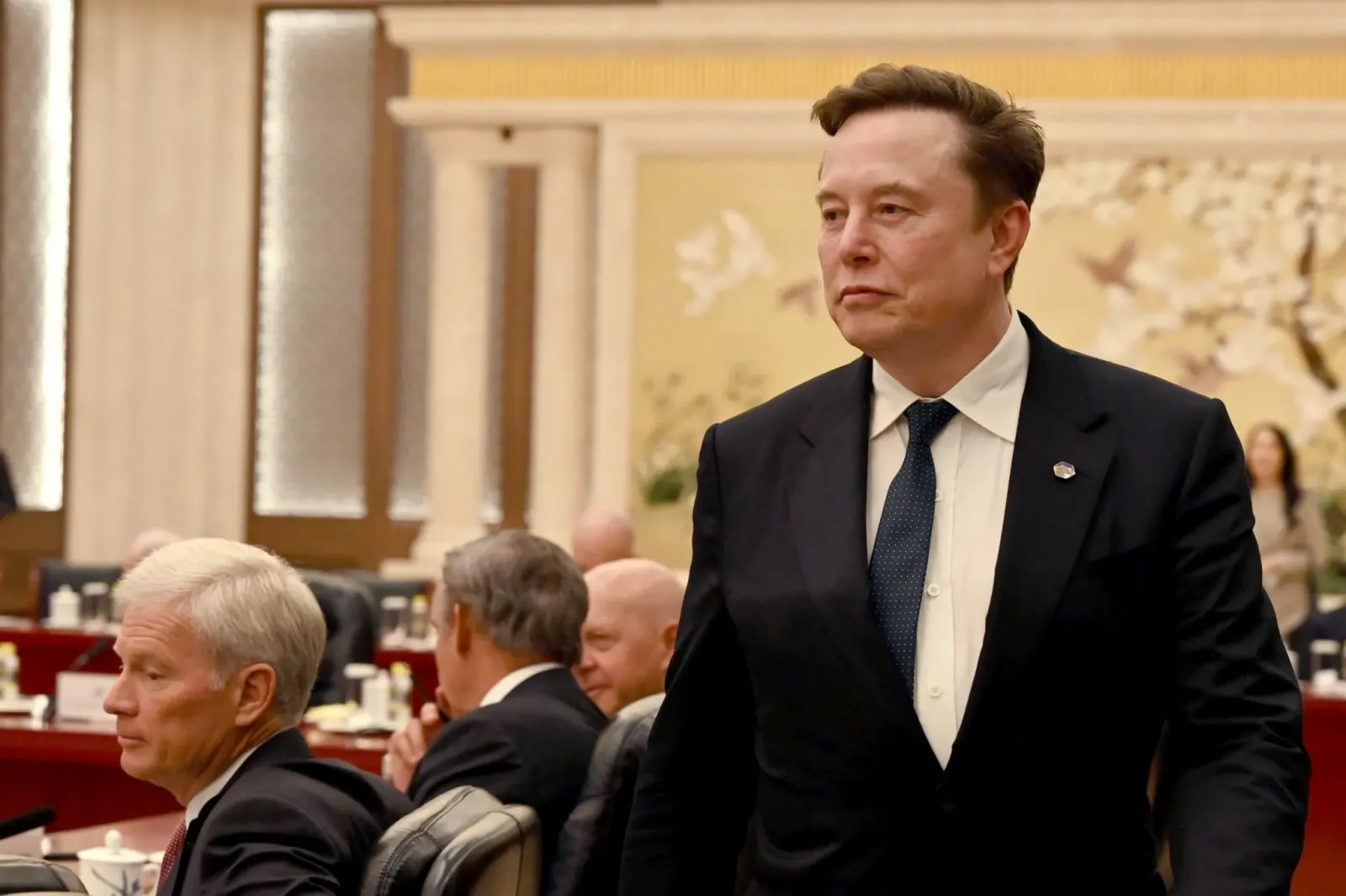
SpaceX IPO: Wedbush calls a Tesla merger “holy grail,” Morningstar pegs $63 fair value
Trading starts June 12 at $135, but analysts are split over a $72-per-share “option premium” on orbital AI dreams.

Microsoft SkillOpt upgrades AI agent skills without changing model weights
Open-source framework turns markdown skill files into optimizable objects, boosting accuracy while keeping frozen model parameters untouched.

Britain’s regulator greenlights Novo Nordisk’s weight-loss pill on Thursday, needle-free win
Approval by Britain’s medicines regulator adds a new oral option and strengthens Novo Nordisk’s early lead versus Eli Lilly.