
Walmart pulls 4 Marketside bagged lettuce products after FDA links Taco Bell outbreak to Cyclospora
The FDA tied shredded iceberg lettuce in 5 states to 1,644 confirmed cases, and Walmart added precautionary shelf removals.
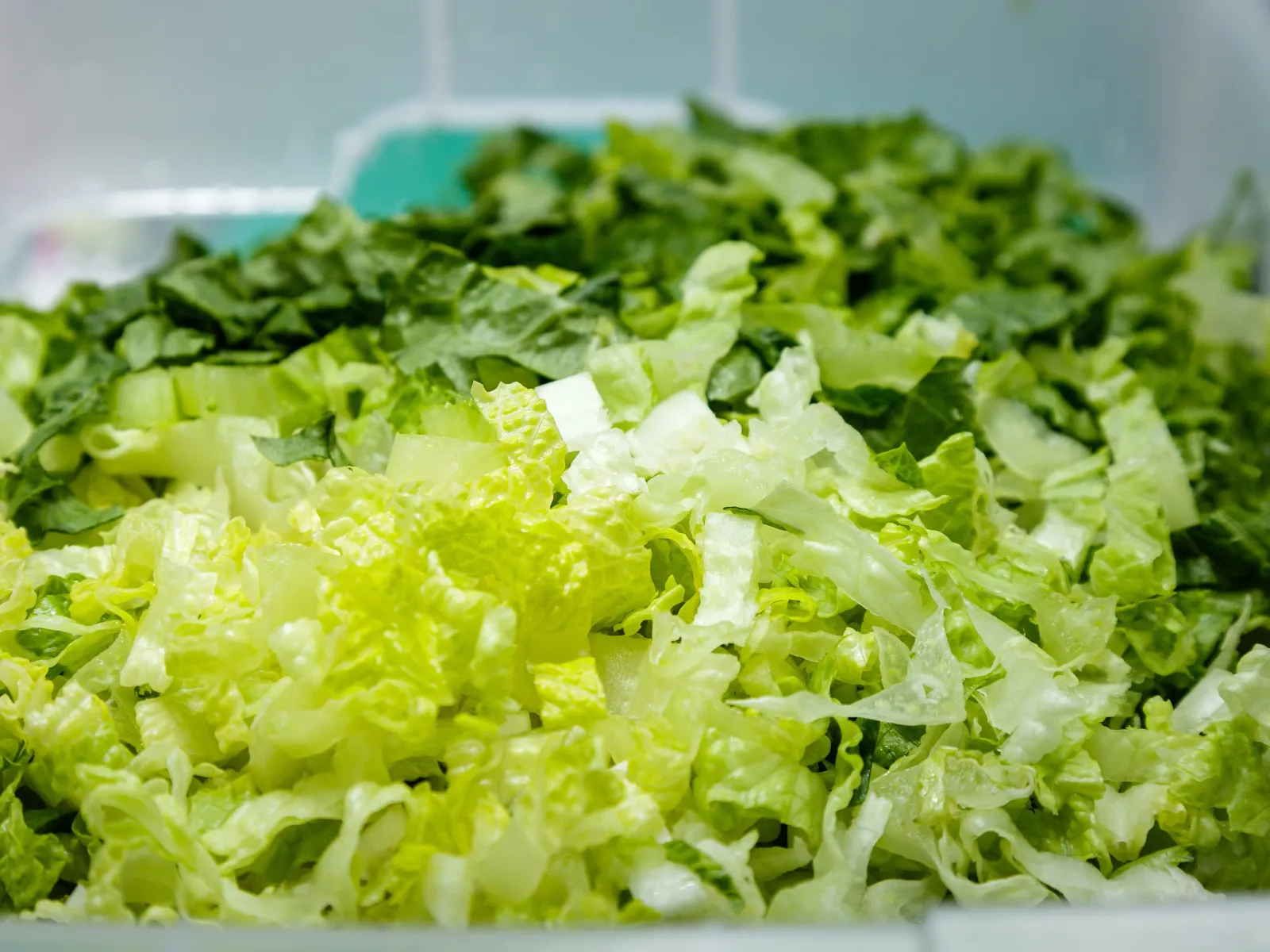
Walmart removed four Marketside-brand bagged iceberg lettuce salad products from select locations as a precaution after the FDA linked shredded iceberg lettuce served at Taco Bell to the ongoing cyclosporiasis outbreak. For decision-makers across food retail and supply chains, this is a live test of how fast firms must act when regulators identify a likely ingredient source.
Walmart is quietly doing something loud: it pulled four Marketside-brand bagged iceberg lettuce salad products from select locations after the FDA linked shredded lettuce sold at Taco Bell to the current cyclosporiasis outbreak.
The regulatory headline behind the action is specific. The FDA said shredded iceberg lettuce served at Taco Bell locations in Indiana, Kentucky, Michigan, Ohio, and West Virginia was responsible for 1,644 confirmed cyclosporiasis cases, and it pointed to a “single supplier of iceberg lettuce from Mexico.” Walmart said it removed the products despite stating there was “no indication” that items sold in its stores were affected by the current investigations. Still, it acted “as a precaution after receiving notice from our supplier,” and added that there have been “no confirmed illnesses associated with these products at this time.”
What makes this outbreak operationally brutal is that the ingredient link is both narrow and widely distributed. Taco Bell and its supply chain are not small. The FDA’s framing tied the ingredient to a source in central Mexico, and Taylor Farms moved first. On Friday, Taylor Farms said it was pulling iceberg lettuce from central Mexico “indefinitely.” On Saturday, it expanded its recall list to include four Marketside-brand products sold at Walmart. That is the supply-chain domino effect in real time, where a decision at the processor level can instantly turn into a shelf-level action for major retailers.
Walmart’s caution also reflects how fast consumer trust can erode even when the facts are incomplete. The company is careful: it removed four products, it did not claim the items were confirmed culprits, and it emphasized no confirmed illnesses. That distinction matters for legal and reputational reasons, but it also signals a broader reality for grocery and CPG leaders. When regulators identify a likely supplier and an ingredient linked to confirmed cases, the cost of inaction is usually judged against the cost of a precautionary removal, even if the removal turns out to be wider than necessary.
Behind the scenes, Taylor Farms is a major node in the North American salad business. The source notes Taylor Farms is the biggest producer of salad greens in North America, supplying chain restaurants like Chipotle and McDonald’s, and big grocery stores including Costco, Walmart, and Trader Joe’s. The company says it operates 30 processing facilities across North America. If you are an executive in this industry, that scale cuts both ways. It increases distribution, which increases exposure during contamination events. It also gives you the infrastructure and leverage to trace, quarantine, and re-source quickly. In this case, Taco Bell said it would “voluntarily remove” possibly impacted lettuce, with the affected ingredient being “indefinitely removed from our supply chain nationwide” and replaced “within 24 hours in select states.” The operational message is clear: replace fast, even while investigations continue.
The investigation is ongoing, and that is where boards and risk teams start paying attention to second-order effects. The FDA linked shredded iceberg lettuce to cases across five states, but other potential sources could still emerge. The source also emphasizes that the true number of people sickened is likely higher. The Centers for Disease Control and Prevention says cyclospora infections have spread across 34 states since May 1. As of July 13, the CDC confirmed 1,645 cases and 141 hospitalizations, with no confirmed deaths. Michigan stands out with more than 4,300 cyclosporiasis cases in the state alone, and Michigan health authorities said on Monday their investigation was pointing to “lettuce or salad greens” as a potential contamination source.
For context, cyclosporiasis does not surface like a typical food poisoning event where you immediately connect symptoms to last night’s dinner. Symptoms can take about a week to incubate, and watery diarrhea is a hallmark symptom along with cramps and gas. The illness can last for several weeks if left untreated, and a combination antibiotic, Bactrim, can treat it. The CDC’s expectation, as quoted in the source, is blunt: “we anticipate continuing to see cases increase possibly through the end of August, which is the end of the cyclosporiasis season.” For operators, that means product decisions and public messaging are happening while case counts are still rising, not after they stabilize.
This is also why regulators and consumer health experts recommend precautionary behavior that is hard to verify at home. Health experts advised avoiding bagged lettuce and salads until the outbreak is over, choosing whole heads of lettuce and removing the outer layer, and washing all produce thoroughly. There is no surefire way to wash cyclospora off produce, so the safest approach is to cook foods to at least 158 degrees Fahrenheit. When the “can’t wash it off reliably” message hits mainstream awareness, it changes shopping patterns, and it pressures brands to show visible action even when they cannot guarantee zero risk.
The broader industry backdrop adds another layer of executive risk. The source notes Taylor Farms has been involved with multiple food recalls over the past few years. In 2024, Taylor Farms recalled yellow onions, including some sent to McDonald’s, over potential E. coli contamination; the CDC said that E. coli outbreak killed one person and sickened over 100 others across a dozen states. Another 2020 recall focused on onions sold at Kroger and Walmart over potential Salmonella contamination, according to the FDA at the time. It also points to a previous recall of salad kits that did not disclose that they included soy and sesame, according to the FDA. For boards, executives, and partners, recurring recalls do not just create one-time disruptions. They shape how stakeholders interpret every new alert, including this one tied to iceberg lettuce from Mexico.
Strategically, this case is a stress test for food safety governance across multiple levels: processor, restaurant chain, retailer, and regulators. Walmart’s move shows how quickly precautionary shelf removals can follow supplier recalls, even when there are “no confirmed illnesses” tied to the retailer’s specific products at that time. Taco Bell’s “replace within 24 hours in select states” framing shows how brands try to control ongoing exposure while investigations continue. And the CDC and FDA timelines show why executives should expect continued case reporting as the season runs. If you lead in supply chain risk, this outbreak is a reminder that the operational clock starts when a regulator points to an ingredient, not when you can prove the last link in the chain.
This story's Key Insights and Take-aways are locked.
Create a free account to unlock Executive Actions for one credit.
Register to UnlockAlways free for Executives Club members. Join the Club
More in Entertainment

12TB Steam 'teraleak' goes beyond Valve: GTA 3, Mafia 2 prototypes exposed
A 12-terabyte dump of Steam data reveals prototypes and builds of third-party classics like GTA 3 and Mafia 2, plus unreleased Valve content, rewriting game history.

LinkedIn's romance problem: 1 in 4 workers say dating on it is fair game
A new survey shows a quarter of U.S. employees treat the professional network as fair game for romance, even as LinkedIn bans it and removes hundreds of thousands of offending posts.

Enhypen's first No. 1 album breaks K-pop's Billboard 200 streak
The K-pop group's 98,000-unit debut tops the chart while Dolly Parton's catalog reentry shows how death reshapes streaming.