

Walmart ran LaLiga World Cup store tours. The surprise: most “international” fans were Americans
A New Jersey Supercenter staged ranch, passports, and player appearances. Then the crowd turned into a mirror of America.

Walmart hosted guided store tours in partnership with LaLiga, including appearances by soccer figures, culminating in an East Brunswick, New Jersey event about 29 hours before the 2026 World Cup final. For decision-makers, the campaign shows how global sports hype can be operationalized into retail traffic and media moments, but also how target assumptions can break on the ground.
Walmart’s World Cup store tour was built as an “official welcome” for international fans. The company expected international visitors at its East Brunswick, New Jersey event, which it paired with LaLiga and appearances from soccer stars. But the day I attended, most of the guests holding the official “passports” and collecting stamps were Americans, according to the people I spoke with.
Here is the concrete timing and the core setup. The outdoor LaLiga event ended at 11 a.m. on Saturday, about 29 hours before Spain and Argentina were scheduled to kick off the 2026 World Cup final. Guests received VIP lanyards, giveaway bags containing about $35 in merchandise, and small paper “passports” to be stamped as they moved through a curated Walmart experience. The featured stops were peanut butter, ground beef, soccer jerseys, and, yes, ranch dressing. Rain arrived and forced a shift indoors for the meet-and-greet, so the soccer stars ended up under the same enormous roof as the mostly-American crowd.
To understand why this matters, zoom out to what Walmart is actually doing with World Cup attention. Walmart said it organized the tours to “seize on all the attention.” Over the past month or so, the retailer worked with LaLiga to offer guided store tours paired with appearances by some of soccer’s biggest names. The point is simple but smart: sports fandom is emotional and sticky, and retail is where you translate that emotion into measurable foot traffic, merch purchases, and viral brand storytelling.
At the store level, Walmart turned the Supercenter into a storyline. Tour guides led guests through aisles with a deliberately obvious American theme. In the condiments aisle, guides presented ranch dressing and peanut butter as American staples, and guests got a stamp in their passports. Next came the meat department, where ground beef earned a steak-shaped stamp. In apparel, Walmart showed off soccer-themed jerseys and added one last mark to each passport. Finally, they ended in the produce section highlighting bananas as the best-selling product across the US. Walmart also says it sells 4.46 billion bananas each year.
Then came the part that makes executives lean in: the audience mismatch. Walmart spokespersons told Business Insider the tours were built to “be relevant for first-time or longtime fans,” and that they were “happy from all of the positive feedback.” But in the East Brunswick store tour I attended, the passport holders I spoke to were Americans. Karl Marttz, who lives 40 minutes away in North New Jersey, brought his children while rain fell outside. After the tour concluded, he said, “As a person who lives near another Walmart, it was … eh,” and he was mostly there for the meet-and-greet.
That is a useful operational lesson. When you assume a global audience is flying in for your brand, you design the show for visitors. But if local fans show up in larger-than-expected numbers, you still need to deliver the experience, keep the logistics tight, and make sure the viral moment does not become a credibility problem. In this case, the weather did something similar for crowd management. The outdoor event was interrupted by a thunderstorm, and Walmart moved the meet-and-greet from the parking lot into the store. The soccer stars then stood under the same enormous roof as the passport-holding Americans, compressing the “international spectacle” into a familiar retail environment.
The sponsorship partner is doing its own kind of branding math. The outdoor LaLiga event, which included games, free food, and live music, promised appearances from retired Spanish star Carles Puyol and Colombian striker Radamel Falcao. Walmart also said the store sits about 30 miles from MetLife Stadium, where Lionel Messi was set to chase a second World Cup title the following day. In other words, Walmart placed itself in the emotional gravity well around the final, even though the product stops and the audience experience look different than a stadium.
There is also a deeper cultural tailwind behind the whole campaign. Business Insider describes how international World Cup fans have fallen in love with some very American brands, including Walmart, and how other US fixtures sparked viral tourism moments: a cheap Waffle House breakfast, the sprawling excess of a Buc-ee’s gas station, and the giant aquariums inside Bass Pro Shops. Videos went viral after a crowd of Australian national team fans turned a Dallas Walmart’s produce section into an impromptu party, switching from “Aussie! Aussie! Aussie! Oi! Oi! Oi!” to “We’re going to Walmart!” Walmart’s tours appear designed to turn that organic wonderment into something more controlled, official, and brand-aligned, with ranch dressing and stamped passports as the “entry ticket” to the story.
For decision-makers in retail, brand partnerships, and sports marketing, the second-order implication is that global events can be repackaged for local behavior. Even when the stated target is international visitors, the gravitational pull can land on residents who want a close-up moment with sports stars. The strategic stakes are straightforward: get the partnerships right, get the logistics right under real weather conditions, and build an experience that works even when the crowd you expected does not show up as expected.
This story's Key Insights and Take-aways are locked.
Create a free account to unlock Executive Actions for one credit.
Register to UnlockAlways free for Executives Club members. Join the Club
More in Business

Uber buys Delivery Hero for nearly $15B, vaulting to top food delivery outside China
The deal doubles Uber's dual-services footprint and pushes a ride-and-eats bundling play into 50 more markets.

Epic and Google drop settlement bid, forcing rival Android app stores by July 22
Google told the court it is ready to carry third-party app stores starting Wednesday, July 22.
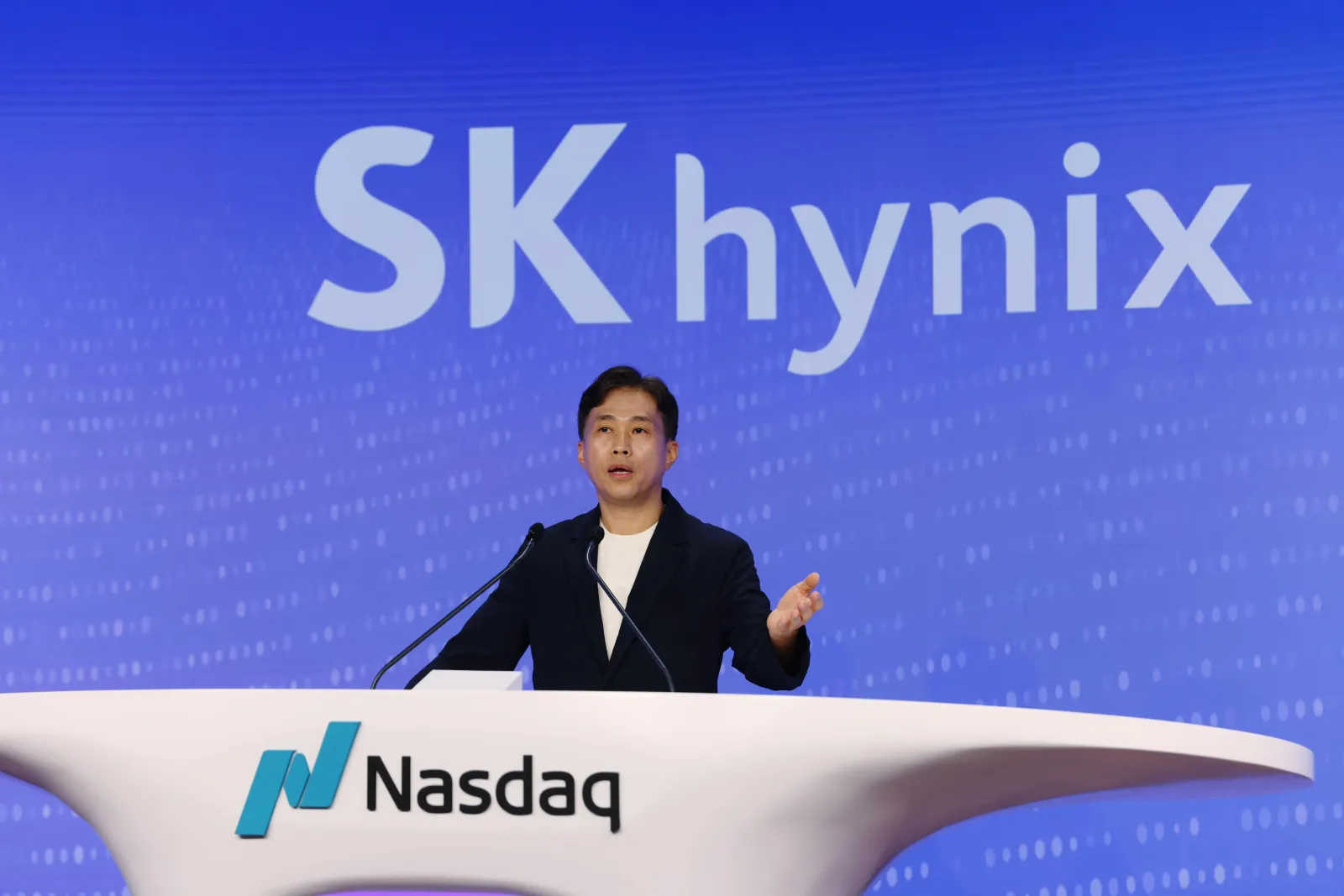
SK Hynix opens at $170, raises $26.5B, and tops foreign IPO records
In Friday's Wall Street debut, SK Hynix turns AI RAM demand into a $26.5B fundraising moment that rewrites comps.