

Warner Bros. Discovery’s Supergirl spin-off slows DCU momentum after Superman cameo
A surprise Kara Zor-El moment couldn’t save a fast-track plan, and early reviews now threaten the broader DC reset.
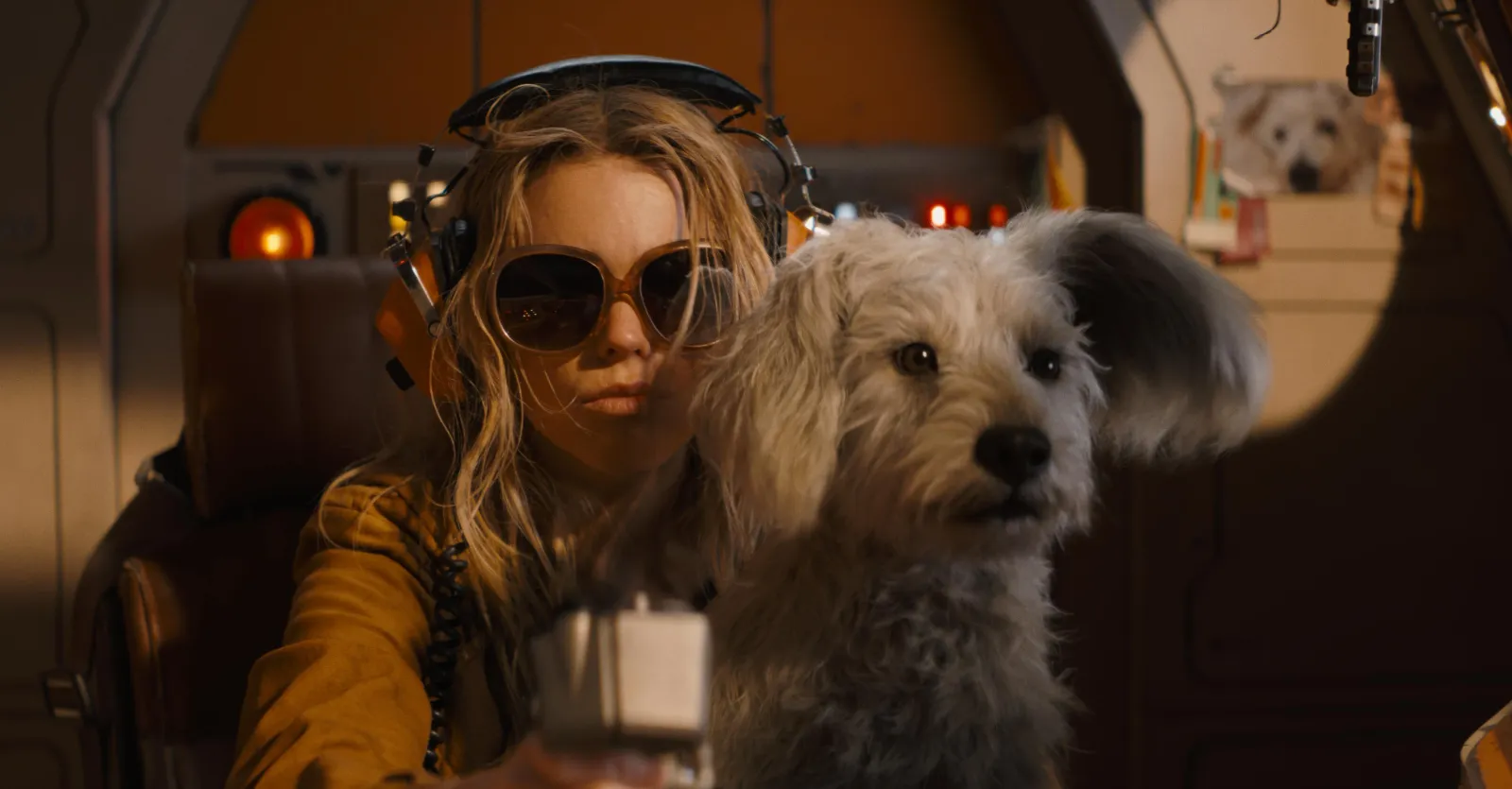
Warner Bros. Discovery planned to fast-track a standalone Supergirl feature after James Gunn’s Superman, betting it would flesh out DC’s new cinematic universe. But The Verge reports the Supergirl movie is already struggling with critics, complicating the studio’s interconnected-story strategy.
Kara Zor-El’s appearance at the end of James Gunn’s Superman was a feel-good surprise. It signaled momentum for Warner Bros. Discovery’s new DC cinematic universe, and it also made the next step feel inevitable: fast-track a standalone Supergirl feature.
The trouble is that the plan, which always seemed slightly dubious, is now running into a very unfun reality. The Verge reports that while hopes were high for Supergirl, the movie has turned out to be “a bit of a dud” with critics. That matters because this was not just a random side quest. It was supposed to help build a connected universe that, in Gunn’s framing, could put Warner Bros. Discovery’s last batch of comic book movies to shame.
To understand why this stings for decision-makers, you have to look at how studios manage franchise risk. Interconnected cinematic universes are basically living projects. The logic is simple: one hit story creates interest for the next, and the next increases the chances the next one lands. But that logic works only if the audience gets a consistent signal that the world is worth returning to. When a new installment underperforms with critics early, it doesn’t just affect one film. It makes every downstream bet harder to sell internally and harder to justify to external stakeholders like distributors, advertisers, and partners.
The Verge’s broader point is about sequencing and incentives. After Superman, Warner Bros. Discovery wanted to flesh out the new cinematic universe with films about another Kryptonian and one of Batman’s less notable villains. That is a tell. The studio was moving quickly, and speed can look like confidence when things are going well. But fast-tracking is also how you lock in a narrative and production pipeline before the market has fully validated it. If the first moves stumble, the entire timeline can start to feel like it is chasing its own tail.
James Gunn, for his part, addressed that exact concern by imploring fans to have faith in his vision. His message was that the DCU would become a world of interconnected stories that could put Warner Bros. Discovery’s previous comic book output to shame. This is a classic franchise-operator move. When a universe is being rebuilt, you are asking the audience to trust the architecture, not just the individual building. But critics are one of the fastest feedback loops the market has. When the early reception doesn’t cooperate, the “trust us” phase gets shorter.
There is also a business reality hiding inside the fandom talk: universes are not just creative choices, they are capital allocation decisions. Studios typically plan slate strategies around narrative continuity, talent availability, and brand heat. If Supergirl is already getting a lukewarm critical response, it raises the chance that the studio will need to do more than market harder. It may need to recalibrate what the next few projects are trying to achieve, whether that means changing how much emphasis is placed on character exploration versus spectacle, or how quickly the universe is pushed toward the “interconnected” payoff.
Second-order implications are where boards and exec teams feel this first. A “dud” with critics can pressure internal confidence. It can also change how external partners respond. For example, press cycles influence consumer expectations, and those expectations influence downstream performance and the tone of negotiation with theaters, streamers, and marketing partners. Even without inventing any specific metrics, the dynamic is real: the faster a studio tries to scale a universe, the more one underperforming entry can ripple.
For peers watching this unfold, the strategic stake is clear. Warner Bros. Discovery is trying to reset and accelerate at the same time. Gunn’s insistence on interconnection is the creative thesis, and the Supergirl outcome is the early market test. If the next steps cannot quickly restore momentum, the studio risks turning “a new cinematic universe” into “a set of films that must prove themselves all over again.” And in a world where audiences have endless viewing options, that kind of credibility debt is expensive.
This story's Key Insights and Take-aways are locked.
Create a free account to unlock Executive Actions for one credit.
Register to UnlockAlways free for Executives Club members. Join the Club
More in Entertainment

Russell Brand's accuser 'bewildered and confused' as he denies 7 sex charges
The criminal case against the comedian is a live test of how media companies manage talent risk when serious allegations go public.

'It's a Magic Trick': Ballet Experts Say Rosalía's SNL Pose Is Impossible
Three ballet experts tell Rolling Stone Rosalía's gravity-defying SNL stillness shouldn't be possible - and why the debate is now part of the show.

Activision CMO: GTA 6 Will Boost Call of Duty, Not Bury It
Activision's top marketer says Rockstar's blockbuster will drive players back to consoles and into Modern Warfare 4, even as the company admits its recent strategy failed.