
WhatsApp lets you reserve usernames now, before rollout later this year
Claim your handle this week to chat without exposing your phone number, as WhatsApp expands “private” identity controls.
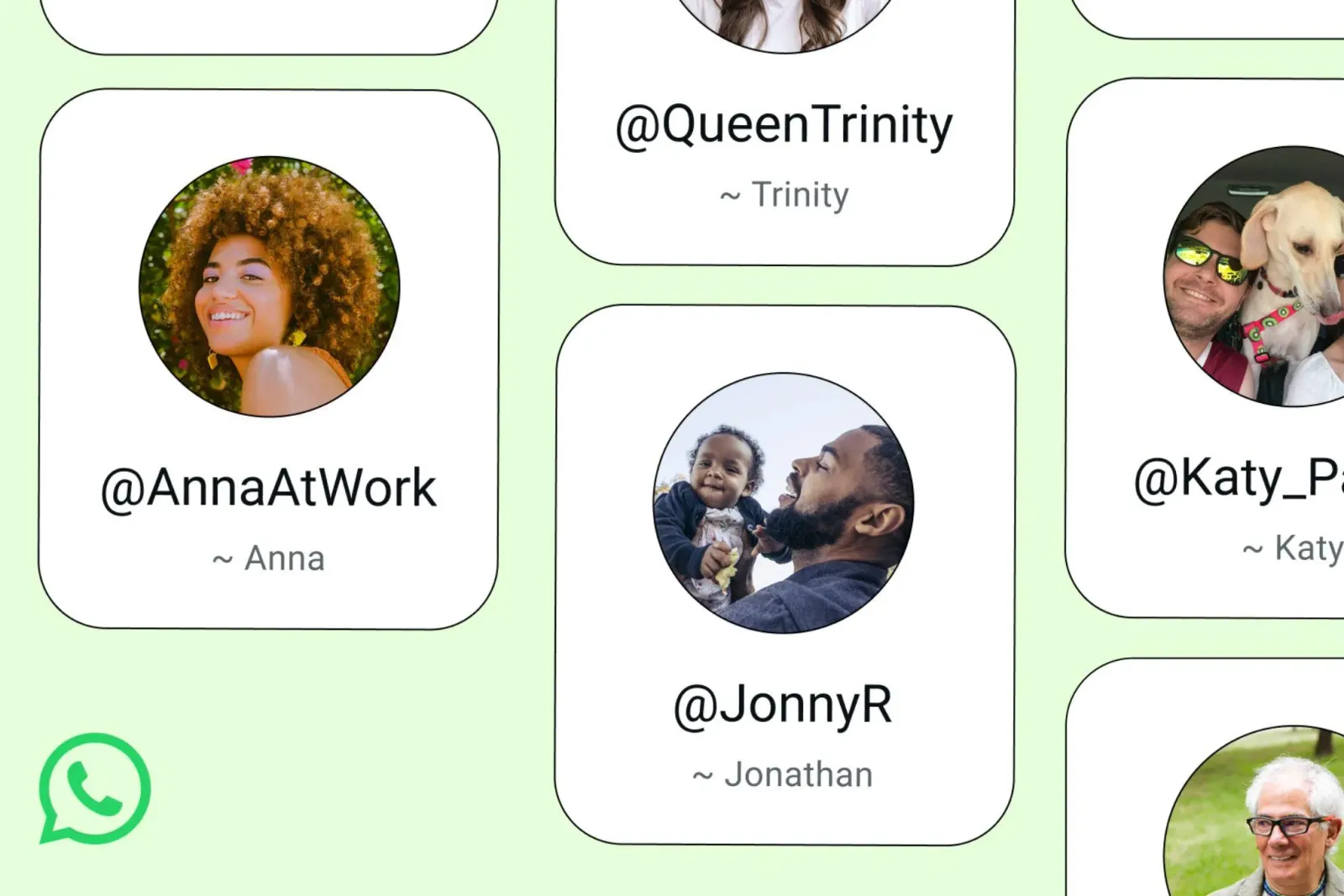
WhatsApp is introducing usernames and letting users reserve them starting this week. The rollout begins later this year, giving decision-makers a concrete signal that privacy features are becoming a primary product battleground.
WhatsApp is launching usernames, and you can reserve the handle you want starting this week. The feature is slated to roll out “later this year,” and WhatsApp frames it as a step toward “even more private” communication by letting people message without sharing your phone number with contacts you have not already connected with.
Here is the practical consequence: if you already use a specific username elsewhere, you may want to lock it in now. WhatsApp’s username availability is rolling out gradually over the coming months, and users will be notified when the feature is available in their country, which means there is a real timing advantage to reserving earlier rather than waiting for general access.
This is not just a cosmetic change. For years, phone-number sharing has been the glue of contact discovery on services like WhatsApp, turning your mobile number into both identity and routing information. Usernames shift that identity layer. WhatsApp says usernames will allow you to “keep your phone number concealed from people who aren't already in your contacts.” That is a meaningful difference in who can learn what about you, and when.
From a product and privacy standpoint, the story is pretty direct: reduce data visibility by default, and increase the friction for strangers trying to map you to a phone number. That matters because messaging platforms live at the intersection of convenience and exposure. If your service makes it easy to find people, it also makes it easier for unwanted contacts to target or profile you, especially when identity depends on something as stable and searchable as a phone number.
There is also a business reason this is happening now. Messaging has turned into a high-velocity feature arms race, where the differentiator is increasingly trust: how safe the service feels, how much personal data it exposes, and how quickly it responds when expectations change. WhatsApp’s decision to roll out usernames gradually “over the coming months” suggests it is calibrating infrastructure, moderation, and account linking while still getting the product into market hands at scale.
The “reserve yours” window adds another layer: it creates urgency and controls demand. By letting users claim handles before the full feature becomes available, WhatsApp creates a smooth transition from the phone-number-first identity model to the username model. That also reduces chaos during launch, when millions of users try to adopt the same preferred handles at once. In other words, it is a rollout strategy that is as much about user experience as privacy.
It is worth noting what WhatsApp does not claim in the source: it does not provide a specific date for the global launch, only that it happens “later this year,” and that rollout will be gradual. It also does not list every edge case in the snippet, like how existing contacts will see or search each other once usernames become active. But the core promise is clear: usernames give you a way to add and chat with contacts without having to share your phone number. Even without the fine print, that is the central privacy lever.
For executives, boards, and anyone managing consumer trust, the second-order implication is that privacy is shifting from a “policy document” to a user-visible interface choice. When a platform moves identity away from phone numbers and toward usernames, it changes default exposure in a way users can feel immediately. That can affect retention, virality, and support load. It can also change the competitive baseline because other messaging apps typically follow when users begin to demand the same kind of visibility control.
Strategically, this also tightens the link between messaging growth and regulatory expectations. While the source does not mention specific regulators or legal frameworks, the general direction fits a broader global trend: regulators and users are increasingly sensitive to what data is shared with whom, and under what conditions. A feature that conceals phone numbers from people not already in contacts is a concrete mechanism that aligns with that direction, even if the immediate driver here is product privacy positioning.
So if you are a leader in a messaging or communications-adjacent business, the stake is simple: identity and privacy are now product features that roll out on schedules, not just settings buried in menus. WhatsApp is giving users a chance to reserve usernames this week, then expanding availability later this year, and doing it gradually over the coming months. That combination says the company expects usernames to matter, and it wants the market to adapt early to a less phone-number-centric world.
This story's Key Insights and Take-aways are locked.
Create a free account to unlock Executive Actions for one credit.
Register to UnlockAlways free for Executives Club members. Join the Club
More in Technology

Nvidia's $89B data center quarter: the 9 companies cashing in
The AI buildout is minting fortunes beyond GPUs, and memory, cloud, and cooling suppliers are riding the same wave.

Google quietly links your phone number to every Android account on your SIM
Adding a SIM now ties your phone number to all Google accounts - and future accounts inherit it. Here's the security and privacy stakes.

Hijacker AI 'Skynet mode' runs 100,000 attack steps against exposed models
Symantec caught a criminal AI agent that borrows other models, steals data, and mines crypto; the only relief is no confirmed victims yet.