
White House says ICE traffic stops resume after deadly July shootings, despite pause reports
Despite claims that enforcement would be halted, the White House says ICE traffic stops will continue.
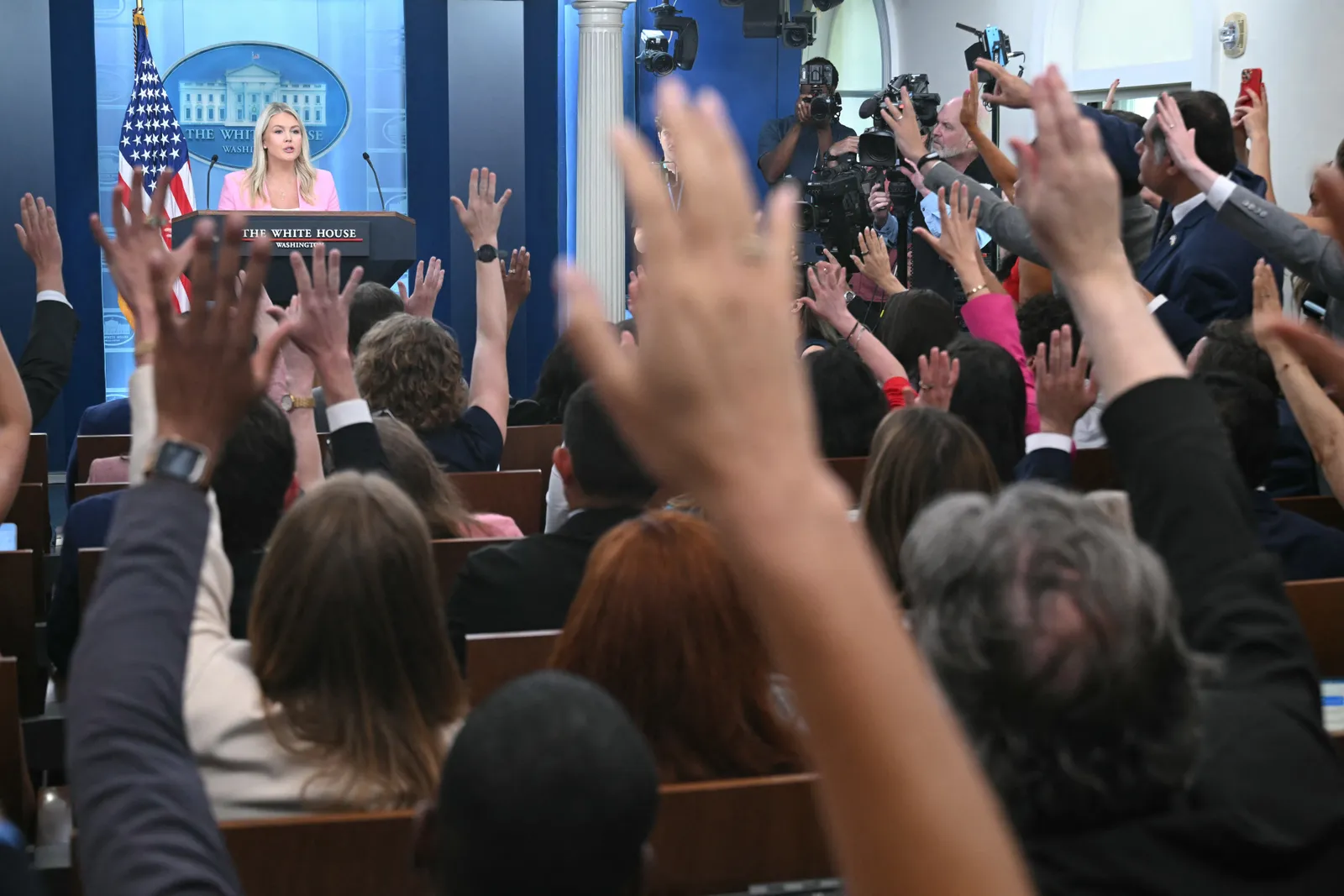
The White House said ICE traffic stops will continue after earlier reports claimed they would be paused. The decision matters immediately for immigration enforcement operations and for leaders monitoring rule-of-law, security, and compliance risk.
The White House is pushing back on earlier reports that ICE traffic stops would be paused after deadly shootings by ICE agents in early July. The comments came after widespread reports earlier in the week that enforcement would be put on pause following the deaths of two immigrants.
In other words, the administration is signaling continuity, not a reset. Even with public outrage and intense scrutiny after those killings, the White House’s position is that ICE traffic stops will continue rather than stop.
That distinction sounds bureaucratic until you remember how traffic stops function in practice. ICE traffic enforcement is often described as a mechanism to identify and apprehend people suspected of immigration violations during routine traffic interactions. That matters because it creates a high-frequency, frontline process. When the government makes a move like pausing that process, the effect can ripple outward quickly: law enforcement agencies adjust schedules and patrol patterns, supervisors issue new instructions, and families and communities react in real time.
So when the White House says the pause is not happening, it is effectively choosing operational continuity over a temporary, visible course correction. In a system like this, “pause” signals are not neutral. They can be interpreted as a change in enforcement priorities, a shift in legal posture, or a signal about how risk and accountability are being handled. And because the original reports were widespread, the administration is also trying to close the information gap and stabilize expectations.
This is where politics meets compliance risk, even for people far from immigration court. Government enforcement actions shape regulatory environments. When agencies are publicly tied to deadly incidents, oversight scrutiny tends to rise: questions about training, use of force, internal reviews, and accountability procedures follow. Even if no new rule is immediately announced, the operational posture can change. By saying traffic stops will continue, the White House is betting that continuity can stand up to scrutiny and that the public expects enforcement to go on, even under a spotlight.
There is also a signaling game at work. If the administration had allowed traffic stops to pause, it would have created a precedent that deadly incidents lead quickly to enforcement freezes, which could invite future pauses after the next high-profile event. Continuing stops does the opposite. It frames the administration’s message as: enforcement will not be interrupted just because rumors swirl.
For decision-makers watching from the corporate side, the second-order effect is not only about policy. It is about how quickly and how intensely institutions are required to respond to government developments. Companies operating in jurisdictions affected by enforcement, or that rely on workforces with immigration touchpoints, typically pay attention to how law enforcement guidance changes day-to-day. Uncertainty can be costly: it affects staffing, mobility, planning, and legal exposure, especially where HR and legal teams coordinate compliance around documentation and eligibility.
Boards and executives also understand that these stories can become governance stories. When enforcement agencies are involved in deadly incidents, investor and stakeholder attention often shifts to risk management. That includes reputational risk, operational continuity risk, and risk related to government contracting or facilities. The White House’s comments are a reminder that, in politically charged environments, operational signals can change faster than many compliance programs can adapt.
And if you are monitoring the immigration policy landscape more broadly, this moment fits a larger pattern: high-profile enforcement incidents lead to rapid public reaction, then policy clarification. In this case, clarification means the administration is telling the public and agencies that ICE traffic stops will continue after the reported pause. The stakes extend beyond the headlines, because it determines how frontline interactions will unfold and whether communities expect a near-term break in enforcement.
For executives, the strategic takeaway is simple: when policy signals flip, it matters. Early July shootings led to widespread reports of a potential pause. The White House comments reject that pause. If you run organizations tied to affected communities or regulated jurisdictions, you need a fast line from public policy updates to operational planning. In high-scrutiny environments, continuity can be as consequential as a freeze.
This story's Key Insights and Take-aways are locked.
Create a free account to unlock Executive Actions for one credit.
Register to UnlockAlways free for Executives Club members. Join the Club
More in Politics

LA County: DOJ's 20,000 'noncitizen' voter list is 'unreliable,' includes U.S.-born
Preliminary review by Los Angeles County election officials finds errors in the federal list, raising the stakes for voter roll integrity ahead of November.

Trump's $1.5B Pentagon chip investment lands in North Carolina
A $1.5 billion defense infusion for North Carolina chipmaking signals a new era of Pentagon-backed reshoring - here's what it means for the industry.

Nigeria confirms first Ebola case in Abuja, a woman just off a Uganda flight
Health Minister Muhammad Ali Pate says the patient flew in from Uganda, putting Africa's latest outbreak on Nigeria's doorstep.