
White House trades forced-labor claims for tariffs again, foreign leaders say
Foreign officials allege the forced labor narrative is being used to justify fresh protectionist tariffs and reshape trade policy.

Foreign leaders accuse the White House of using forced labor allegations as a smokescreen for protectionist measures. If true, the next round of tariffs could complicate trade compliance, supplier risk, and pricing decisions for global businesses.
Here is the blunt claim driving the latest trade noise: foreign leaders accuse the White House of using forced labor allegations as a smokescreen for protectionist measures, even as policy direction effectively remains tariff-heavy. In other words, the centerpiece of the argument is not a dispute over facts on the ground. It is the intent behind the framing, and the alleged use of forced labor claims as cover for tariffs that reshape who wins and loses in cross-border commerce.
That accusation matters because forced labor allegations are not a neutral talking point. They sit in the same policy neighborhood as customs enforcement, supply chain due diligence, and border controls. When those claims enter the trade process, companies can face scrambling compliance work: re-checking sourcing, updating supplier certifications, and reassessing whether goods are at risk of being blocked or targeted. Foreign leaders are effectively arguing that this compliance trigger is being repurposed, at least in part, to make protectionism look like moral enforcement. That is the governance question embedded in the dispute, and it is why decision-makers should pay attention.
To understand the alleged mechanics, it helps to remember how trade policy often moves. Tariffs are blunt instruments. They tax imports, shift relative prices, and push buyers to redesign sourcing. Forced labor allegations, by contrast, are often framed as a regulatory and human rights issue, and they can be used to justify restrictions through a legal and administrative lens. The overlap is where the allegation lives: that forced labor claims are being used as the narrative that makes restrictions politically and legally easier to sell, while still delivering the economic result that protectionists want.
For executives and boards, the second-order issue is that the supply chain becomes both a compliance problem and a pricing problem at the same time. Even if a company believes the underlying forced labor assertions are being misused, the operational reality does not wait for resolution. Compliance teams still have to respond to risk signals. Procurement still has to ask suppliers for paperwork. Legal still has to assess exposure. Finance still needs to think about costs and margins because tariffs, once in motion, tend to create new price baselines.
There is also a stakeholder dynamic at play. Trade policy disputes are rarely purely bilateral in effect. Even when the immediate disagreement is between the White House and specific foreign governments, the impact lands on global value chains and multinational firms. That means foreign leaders' accusations can influence how other governments interpret their own leverage. If they believe the forced labor track is a smokescreen, they may harden positions, tighten their own trade response, or become less willing to cooperate on shared compliance regimes. The end result can be a policy environment that is more adversarial and less predictable.
From a governance and strategy standpoint, unpredictability is costly. Boards prefer policy frameworks they can model. Tariffs, especially when they are swapped in and out alongside regulatory narratives, can change the assumptions in everything from contract terms to inventory planning. Businesses may face timing risk, where contracts signed months earlier become mismatched to the new tariff regime. They may also face relationship risk, where existing sourcing partnerships are suddenly less valuable because the tariff and compliance burden shifts.
The final, and most practical, takeaway is that this accusation points to a world where trade measures are justified through multiple lenses. One lens is economic, tariffs and their immediate effect on imports. The other lens is compliance and forced labor enforcement, which can justify restrictions that look non-economic but function like market access control. When foreign leaders claim the second lens is being used to mask the first, it signals a potential cycle of escalation: tighter measures, counter-arguments about intent, and more scrambling across industries that depend on cross-border logistics.
If you are a CEO, CFO, or board member running a company exposed to international trade, the message is not just political. It is operational: plan for policy to move in layers, not in a single clean change. Forced labor claims can trigger real compliance work even when the strategic interpretation is contested. Tariffs can then hit the financials. And when those two threads get braided together, companies need tighter visibility across procurement, legal compliance, and pricing so that the next policy turn does not force a last-minute scramble.
This story's Key Insights and Take-aways are locked.
Create a free account to unlock Executive Actions for one credit.
Register to UnlockAlways free for Executives Club members. Join the Club
More in Politics
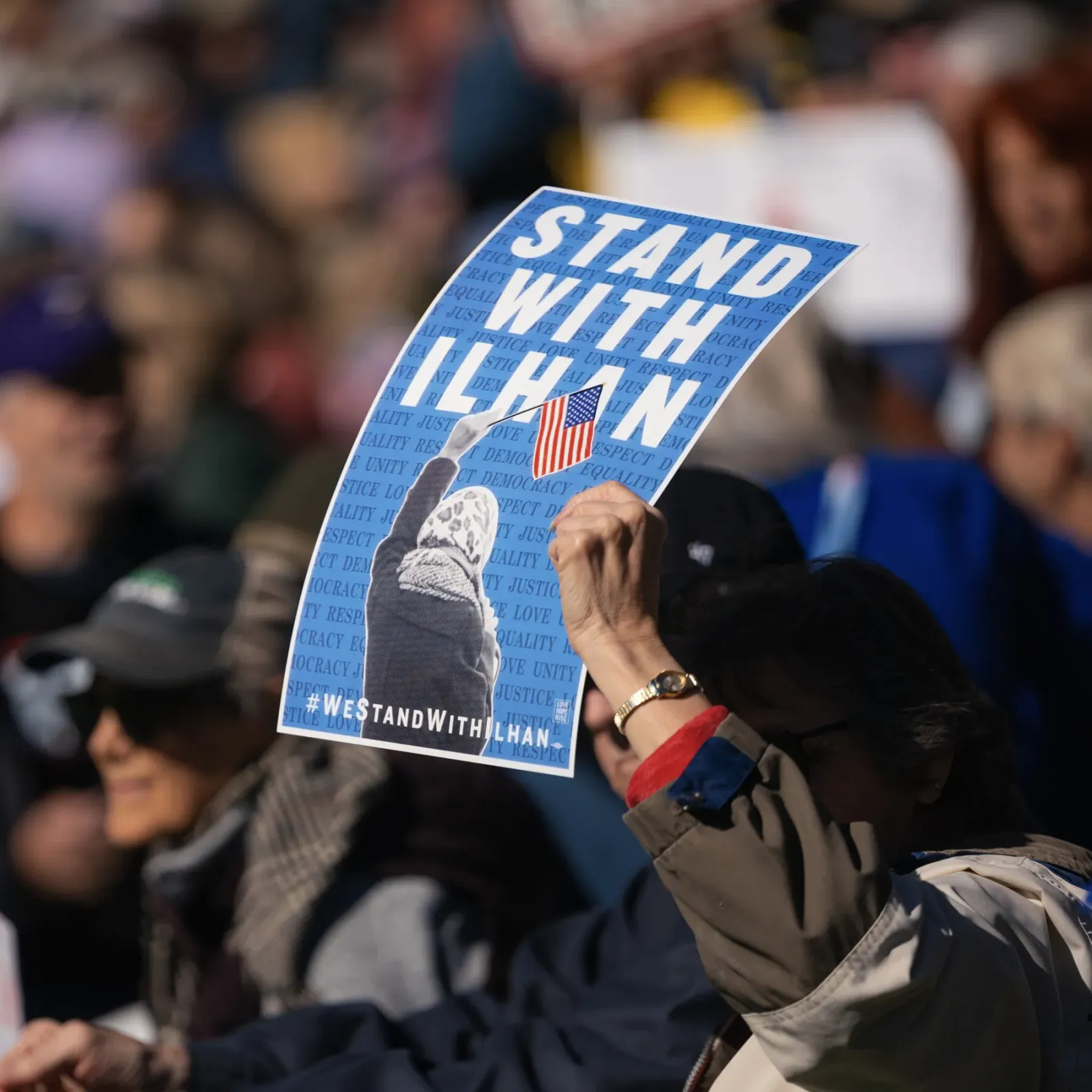
Obama Defends Ilhan Omar After Agents Search Her Home in Trump Inquiry
The former president's intervention raises the stakes in a federal probe into immigration paperwork that has put a prominent progressive lawmaker in the crosshairs.

Blair-era minister: cut welfare to fund youth job support
Alan Milburn's call for welfare cuts to fund employment support opens a Labour fight over benefits and the Neet crisis.
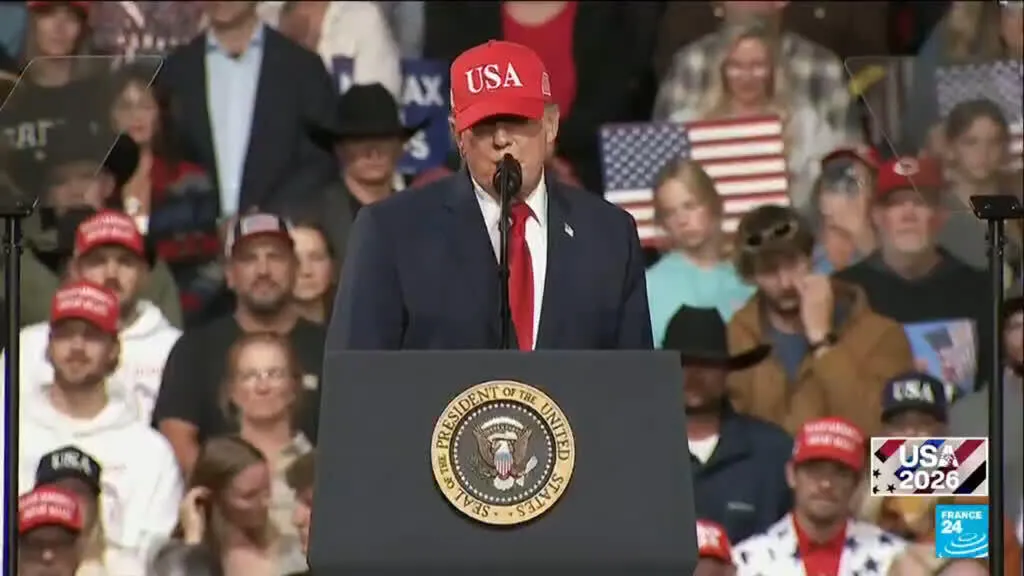
Hot September CPI: energy costs surge, voters feel the squeeze before midterms
The latest inflation print lands as Trump campaigns for GOP control of Congress, putting cost-of-living worries at the center of the midterm fight.