
Whitney Houston estate blasts Oprah: “She was absolutely not high”
A 2009 “fell off stage” retelling triggers a public rebuttal, forcing media and executives to re-litigate credibility, duty, and story framing.
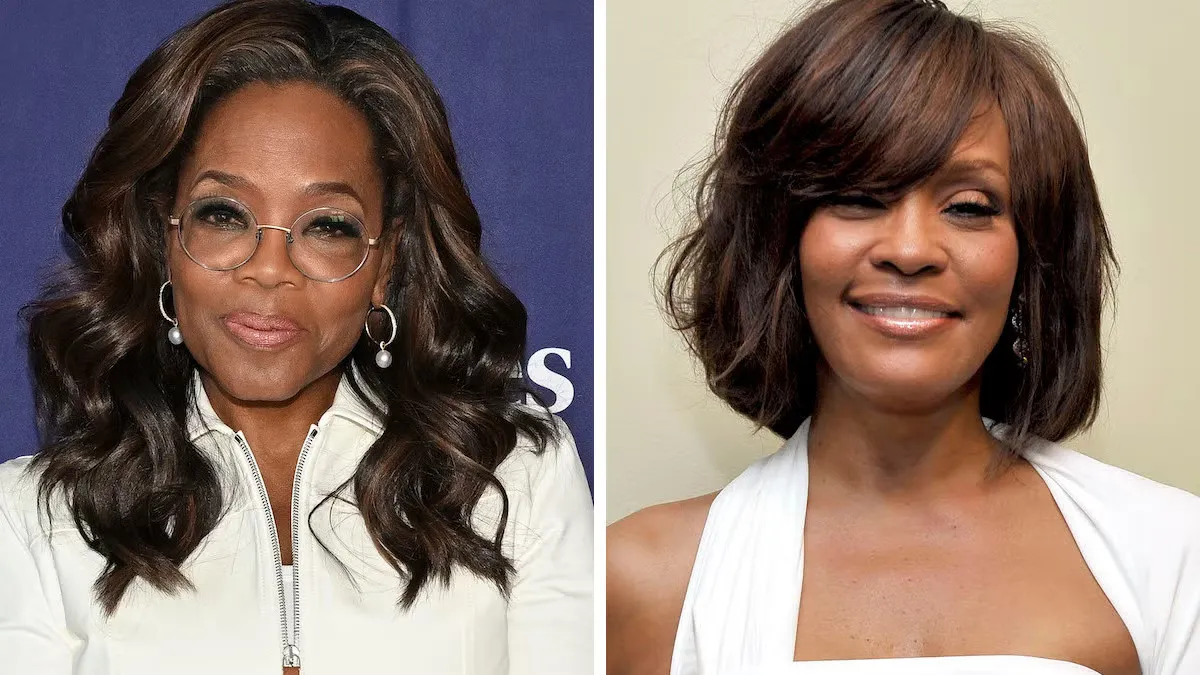
Whitney Houston's estate responded on Instagram to Oprah Winfrey after she described the singer falling off the stage during a 2009 interview on “The Oprah Winfrey Show.” For media leaders and decision-makers, it spotlights how quickly celebrity health narratives become mainstream claims, and what risks follow when those claims get repeated.
Whitney Houston’s estate fired back at Oprah Winfrey with one blunt line: “She was absolutely not high.” In an Instagram statement posted Wednesday, the estate denounced Oprah’s retelling of a 2009 “Oprah Winfrey Show” interview, where Oprah said Houston “fell off the stage” during a moment that she framed as a sobriety relapse.
The dispute centers on a very specific claim about what audiences saw. Oprah, speaking at Cannes Lions on Tuesday, recalled that Houston, who she said was “back on drugs,” fell off stage during the singer’s final performance on the show in front of a studio audience. Oprah also explained her reaction to the potential fallout: she said she begged the audience not to put pictures up, warning that if the story “got out that she fell off the stage,” Houston would be “destroyed by that.” She also said, “That would not happen today,” and added, “I can tell you that.” The estate’s rebuttal directly challenges Oprah’s interpretation of the moment, saying: from the 2009 interview on “The Oprah Winfrey Show,” “Whitney absolutely fell off stage,” but “it was during a soundcheck and it was due to the darkness of the area and her unfamiliarity with the stage.”
That is the headline-level tension: Oprah’s narrative is about substance and relapse, while the estate insists the explanation is grounded in the staging reality, not intoxication. The estate’s statement also targets the broader pattern of how stories get repeated once they attach to a vulnerable public figure. “Like many people, she faced personal battles, but it is inaccurate and unfair to attach that struggle to every performance or every chapter of her life,” the estate said. It then tries to reframe the day in question as professional output instead of sensational decline: “What the studio audience witnessed on stage was the result of discipline, talent and commitment not the assumptions others project.”
For media executives, platform operators, and boards, this is not just a celebrity squabble. It is a case study in how narrative risk travels. One person’s retelling at a high-profile industry event becomes a headline in multiple outlets; those headlines then become the “record” that new audiences accept as context. The estate explicitly points to that amplification mechanism: it issued a formal response after Winfrey’s comments were “picked up by several media outlets.” In other words, the reputational harm is not only what was said, but how the ecosystem disseminates it.
It is also a reminder that when the topic is health, sobriety, or “what someone was on,” the stakes shift from entertainment into something closer to adjudication by audience. Even if the original anecdote is delivered with personal framing, second-order consequences can be severe for the subject’s legacy and for the credibility of the speaker’s broader narrative arc. The estate closes with a moral argument about dignity and truth: “Whitney’s humanity included triumphs and struggles, but on that day, she showed up as the professional and gifted artist she always worked to be. We owe her the dignity of telling the truth not repeating myths.”
There is also a practical broadcast mechanics angle hiding inside the fight. Oprah’s comments tied the moment to a studio audience and cameras, while the estate’s statement distinguishes between a soundcheck and the actual performance setting. The estate says the fall happened “during a soundcheck” and was related to “the darkness of the area” and “her unfamiliarity with the stage.” That distinction matters because it changes what “fell off stage” implies. A soundcheck slip is still a visual moment, but it is not necessarily the same as a performance-day failure. In media operations, that is the difference between a clip being “contextualized” or treated like a standalone smoking gun.
And for decision-makers across the industry, this is where the organizational learning comes in. If you run a newsroom, a platform, or a content studio, you are not just managing story accuracy. You are managing downstream trust. The estate’s core complaint is accuracy. The quote “She was absolutely not high” is not a vibe check. It is a direct dispute of a specific characterization. When that kind of dispute becomes public, it puts pressure on editorial standards, on how you handle corrections, and on whether you treat allegations about health as claims that require extreme caution. The fact pattern here is public, but the reputational cascade is systemic.
So the strategic stake for peers is simple: celebrity media may feel soft, but the incentives are sharp. You can get distribution by telling a compelling story quickly. You can also get trapped by that story when the subject’s representatives contest it in plain language, in public, and specifically cite the event’s circumstances. In the Whitney Houston estate’s case, they are not arguing over taste. They are arguing over what happened in 2009, how it should be interpreted, and what “truth” means once it gets repeated beyond the original interview. When the dispute hits mainstream outlets, everyone from editors to legal teams to executives has to decide whether they are creating clarity or carrying forward “myths.”
This story's Key Insights and Take-aways are locked.
Create a free account to unlock Executive Actions for one credit.
Register to UnlockAlways free for Executives Club members. Join the Club
More in Entertainment

Russell Brand's accuser 'bewildered and confused' as he denies 7 sex charges
The criminal case against the comedian is a live test of how media companies manage talent risk when serious allegations go public.

'It's a Magic Trick': Ballet Experts Say Rosalía's SNL Pose Is Impossible
Three ballet experts tell Rolling Stone Rosalía's gravity-defying SNL stillness shouldn't be possible - and why the debate is now part of the show.

Activision CMO: GTA 6 Will Boost Call of Duty, Not Bury It
Activision's top marketer says Rockstar's blockbuster will drive players back to consoles and into Modern Warfare 4, even as the company admits its recent strategy failed.