

WHO declares the MV Hondius hantavirus outbreak over after 13 cases and 3 deaths
Tedros says final exposed contact completed quarantine, with no new cases since May 25.
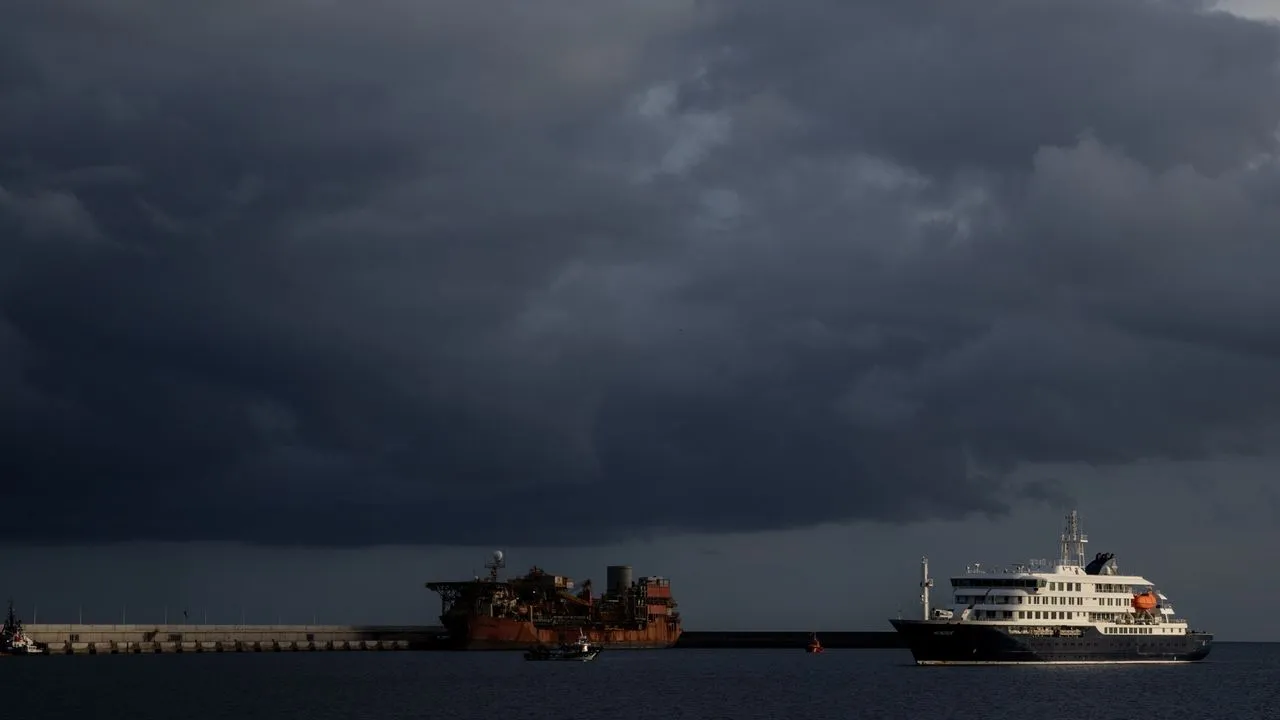
WHO chief Tedros Adhanom Ghebreyesus declared the hantavirus outbreak tied to the cruise ship MV Hondius over after 13 cases and three deaths. The decision follows extensive contact tracing across 33 countries and territories after the ship departed southern Argentina in April.
The World Health Organization has declared the hantavirus outbreak linked to the cruise ship MV Hondius over, after sickening 13 people and causing three deaths. In the WHO director-general Tedros Adhanom Ghebreyesus' remarks at a news conference Thursday, July 2, he pointed to a simple but decisive milestone: the final exposed contact completed quarantine, tested negative, and returned home.
Tedros said, “Today, the final contact of a person exposed to hantavirus on the cruise ship MV Hondius completed their quarantine period, tested negative and returned home. No further cases have been reported since the 25th of May.” With that, WHO “considers the outbreak of hantavirus over.” For executives tracking global risk, the takeaway is straightforward: the clock ran out, the surveillance signals went quiet, and an international public health response built around that signal did its job.
Here is what made this outbreak unusual enough to trigger an international operation in the first place. The outbreak began aboard the Dutch-flagged cruise ship MV Hondius after it departed southern Argentina on April 1. The cluster involved the Andes virus, described in the source as the only known hantavirus capable of spreading between people. That detail mattered because hantaviruses are generally rodent-borne and spread to humans relatively rarely, typically via contact with rodent urine, droppings, or saliva. Most of the time, the world does not get human-to-human chains. But with Andes virus, there have been short chains of transmission in the past, which is why even a small cluster can create outsized anxiety and policy urgency.
The response got bigger fast due to travel. Before public health authorities were informed of cases on MV Hondius, several dozen people disembarked on the island of St. Helena. From there, authorities launched an international contact-tracing operation, tracking down more than 650 contacts in total. WHO says those contacts were followed by health authorities in 33 countries and territories. In other words, this was not a contained shipboard event. It became a distributed monitoring problem, with the virus threat mapped onto a patchwork of jurisdictions.
Because hantavirus symptoms can take weeks to show up, quarantines were designed for timing as much as infection risk. Authorities quarantined and monitored the highest-risk contacts for up to 42 days, with some quarantined at home and others held in specialized facilities depending on jurisdiction and degree of exposure. This matters for decision-makers who are used to thinking in terms of immediate outbreaks. Infectious disease management often turns into delayed certainty. You are not just stopping transmission; you are buying time and collecting evidence so you can say, with confidence, that the signal has ended.
There was also a psychological and operational tension running alongside the medical facts. The initial unchecked travel of some contacts, combined with the virus's long incubation period, prompted fears that the cluster could “explode” into a large outbreak or even become a global pandemic. The source notes that many infectious-disease experts emphasized Andes virus does not spread easily between people and that containment was going well, so the risk of a large outbreak was low. Still, other experts raised concerns that international travel could trigger pockets of the disease, and some argued Andes virus has “pandemic potential.” WHO's declaration now functions as the end state of that debate: the surveillance window closed, and no further cases were reported since May 25.
The “over” declaration also comes with concrete follow-through for the people who were repatriated. All contacts repatriated to the U.S. completed their quarantine period by June 21. That detail is not trivia. For public health agencies, the hard part is alignment: making sure exposures are followed up, quarantine endpoints are met, tests are done, and results are communicated consistently across borders. WHO credits coordinated actions of national public health bodies as vital to preventing further spread. One example cited in the source is Spain: it created a safe zone on the island of Tenerife for remaining passengers to disembark before repatriation under quarantine.
Looking ahead, WHO said it will continue working with governments and partners to advance understanding of the outbreak and hantavirus more generally. Tedros also said WHO is coordinating a study involving 21 countries to understand how the disease develops, with the goal of supporting development of diagnostics, therapeutics, and vaccines for future outbreaks. This is where the business relevance lands. If you are an operator, investor, or board member dealing in travel, logistics, healthcare operations, or risk governance, the real story is not that 13 people got sick. It is that the world needed 33 countries and territories, more than 650 contacts, and a quarantining discipline that lasts up to 42 days to reach a confident “no further cases” conclusion.
And the press conference did not let that context drift away. As the hantavirus outbreak concludes, the source notes an ongoing Ebola outbreak in the Democratic Republic of the Congo and an outbreak of the Marburg virus in Uganda. WHO emphasized these and future outbreaks will require similarly robust international cooperation. Tedros said, “The outbreaks of hantavirus, Ebola and Marburg all show why there is no alternative to international cooperation in the face of international threats,” and added, “No country alone can fight.” For executives, that is the strategic stake: borderless risks demand cross-border systems, and the reputation of those systems gets tested when a small outbreak hits a cruise itinerary.
This story's Key Insights and Take-aways are locked.
Create a free account to unlock Executive Actions for one credit.
Register to UnlockAlways free for Executives Club members. Join the Club
More in Science

Alaska's 1,580-foot tsunami had warning signs. Scientists just found them.
Rapid glacier retreat, heavy rainfall, and thousands of tiny tremors preceded Alaska's 1,580-foot tsunami, a warning for every coastal community in a warming world.

The rare mutation that lets high-risk brains dodge Alzheimer's
Scientists found a natural defense against protein buildup, opening a new path to preventive treatments.

3,000 steps a day may halve Alzheimer's decline, study finds
New research links a modest daily walk to less tau buildup and nearly half the cognitive and functional decline, even for those with early signs.